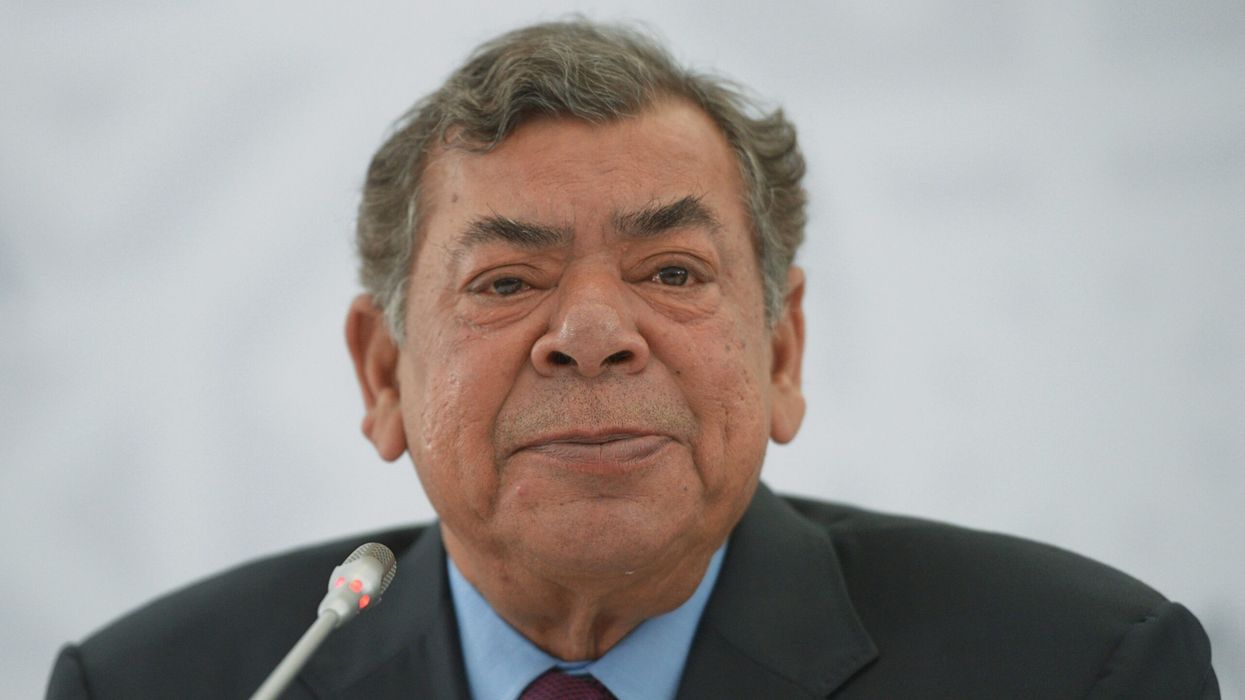

SHASHIKANT Ruia, co-founder and chairman of the Essar Group, passed away in Mumbai after a prolonged illness. He was 80.
Ruia, known for transforming a small construction business into a global infrastructure conglomerate, would have turned 81 next month.
Ruia, who had recently returned from the United States after treatment, died around midnight. In a statement, his family said: “It is with profound grief that we inform of the passing of Shri Shashikant Ruia, Patriarch of the Ruia and Essar Family.”
He is survived by his wife, Manju, and two sons, Prashant and Anshuman.
Shashi Ruia began his career in 1965 under the mentorship of his father, Nand Kishore Ruia. Along with his brother Ravi, he laid the foundation for the Essar Group in 1969 by securing a ₹2.5 crore (£235,800) order from Madras Port Trust for constructing an outer breakwater.
In its early years, Essar focused on engineering and construction, delivering projects such as bridges, dams, and power plants. The group diversified into energy in the 1980s, acquiring oil and gas assets. By the 1990s, it had established itself in steel and telecommunications, including a major steel plant in Gujarat and a joint telecom venture with Hutchison, becoming India’s second-largest telecom operator.
Essar later exited the telecom sector and sold its oil refinery in Gujarat to a consortium led by Russia's Rosneft. Its steel business was also handed over to ArcelorMittal during insolvency proceedings.
Currently, Essar Global Fund Ltd oversees businesses spanning infrastructure, energy, metals and mining, technology, and services. According to the company’s website, its portfolio generates combined revenues of £11.1 billion.
Indian prime minister Narendra Modi expressed condolences, describing Ruia as a "towering figure" in Indian industry. “Shri Shashikant Ruia Ji was a colossal figure in the world of industry. His visionary leadership and unwavering commitment to excellence transformed the business landscape of India,” he posted on X (formerly Twitter), sharing a photo with Ruia.
Ruia held several prominent positions, including as a managing committee member of the Federation of Indian Chambers of Commerce and Industry (FICCI), chairman of the Indo-US Joint Business Council, and president of the Indian National Shipowners Association. He was also part of forums such as the Prime Minister’s Indo-US CEO Forum and the India-Japan Business Council.
The Ruia family described him as a leader dedicated to philanthropy, saying: “His humility, warmth, and ability to connect with everyone he met made him a truly exceptional leader.”