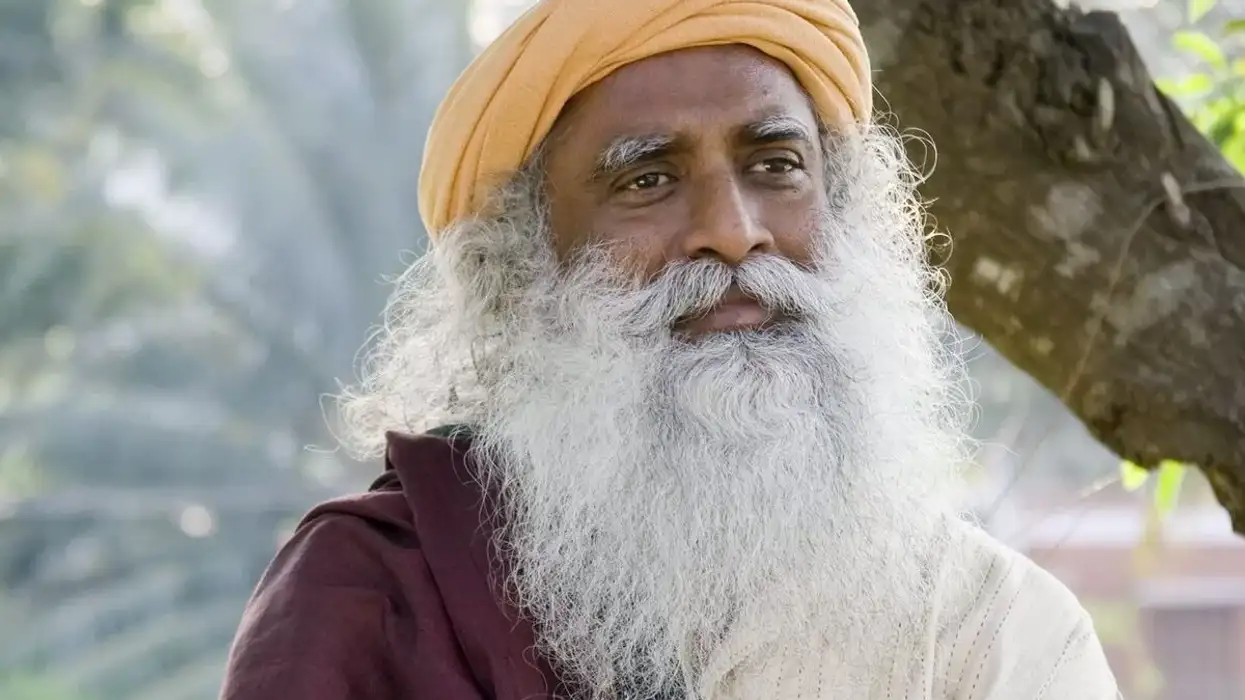

SPIRITUAL leader Sadhguru, who underwent an emergency brain surgery at a private hospital in New Delhi after suffering “life-threatening” bleeding in the skull, is recovering well and making steady progress, Isha foundation said on Thursday (21).
In an Instagram story posted on Wednesday (20), Sadhguru’s daughter Radhe Jaggi wrote, “For those asking, Sadhguru is doing well and recovering quickly.”
In an official statement, Isha foundation said, “Sadhguru has been recovering well and making steady progress. His parameters are normal and stable.”
The 66-year-old spiritual guru is the founder of the Isha foundation and has launched campaigns such as ‘Save Soil’ and ‘Rally for Rivers’ for environment conservation.
Indraprastha Apollo Hospital said in a statement on Wednesday, “The surgery was carried out on March 17 to remove bleeding in the skull. Sadhguru was weaned off the ventilator post surgery.”
He has shown “steady progress” and his “vital parameters have improved”, the hospital said.
Sadhguru also posted a video on his Instagram account from his hospital bed. “The Apollo hospital neurosurgeons cut through my skull to try and find something but found nothing — totally empty. So they gave up and patched it up. Here I am in Delhi with the patched-up skull but no damaged brain,” he said in a lighter vein.
According to reports, he had been suffering from severe headaches for the last four weeks. Despite the severity of the pain, he continued with his normal daily schedule and social activities and even conducted the Maha Shivaratri function on March 8.
The headache worsened by March 15, when he consulted Dr Vinit Suri, the hospital’s senior consultant neurologist, over phone, a statement said.
Suri immediately suspected a subdural haematoma and advised an urgent MRI, it added.
The spiritual leader underwent a brain MRI on the same day, and it revealed massive bleeding in the skull.
“There was evidence of a chronic bleed of three to four weeks duration as well as fresh bleeding that had occurred within a duration of 24 to 48 hours,” the statement further said.
Sadhguru was advised immediate hospitalisation and appropriate medication schedule adjustment, but he had important meetings and events scheduled for March 15 and March 16, it said, adding he completed the meetings with the support of pain medication.
Last Sunday (17), he developed a decline in his level of consciousness, and weakness in the left leg, and was admitted to the medical facility under the care of Dr Suri. The CT scan revealed a marked increase in brain swelling and a decision was taken to operate, it said.
Sadhguru was managed by a team of doctors comprising Dr Vinit Suri, Dr Pranav Kumar, Dr Sudheer Tyagi and Dr S Chatterjee.
(PTI)