
Skip to content
Search

Latest Stories

Submit Guest Post

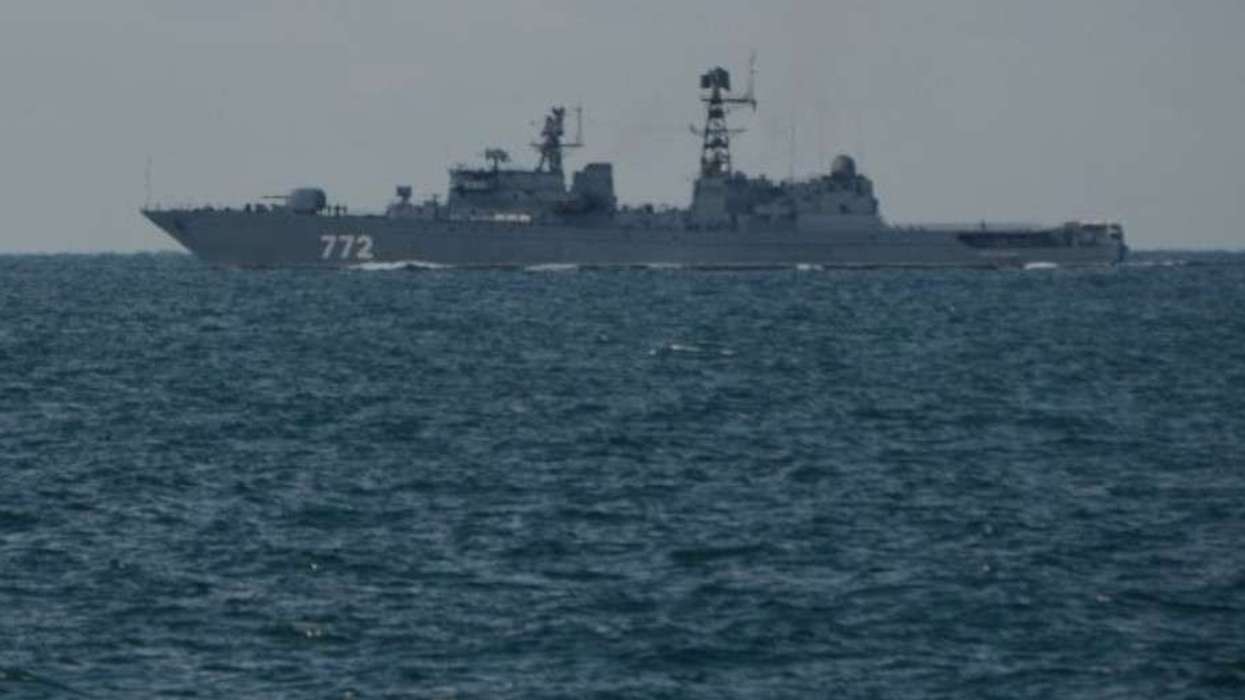
Russian warship carries out live-fire exercise off Plymouth coast

The Ministry of Defence (MoD) said the Royal Navy observed the exercise and is continuing to "track the vessel's activity closely".

Russian warship

The Russian frigate, Neustrashimy, was also monitored by a French military aircraft, which made radio contact with the warship to ask it to clarify its intentions.

Photo credit: X/@TiaFarris10

A RUSSIAN warship carried out a live-fire artillery exercise about 40 nautical miles south of Plymouth on Monday while being monitored by the Royal Navy.

The Ministry of Defence (MoD) said the Royal Navy observed the exercise and is continuing to "track the vessel's activity closely".


The Russian frigate, Neustrashimy, was also monitored by a French military aircraft, which made radio contact with the warship to ask it to clarify its intentions, the BBC has been told.

Before opening fire, the Russian warship informed the Royal Navy Offshore Patrol Vessel HMS Tyne that it intended to carry out gunnery activity, the BBC was told. It also asked HMS Tyne to move to a safer distance, which it did. The live-fire exercise took place in international waters and lasted 30 minutes.

The incident comes amid increased Russian naval activity near UK waters in recent months.

Last month, Royal Marine Commandos boarded a Russian "shadow fleet" oil tanker in the English Channel during a six-hour operation.

In June, a Russian warship fired warning shots near a British couple sailing their yacht in international waters off the Isle of Wight after Russia said there had been a "dangerous approach". The couple said they were "not on a collision course".

Russian warships regularly pass through international waters in the English Channel, which are separate from UK and French territorial waters.


Add EasternEye As Your Trusted Source
preferred source on google news

More For You

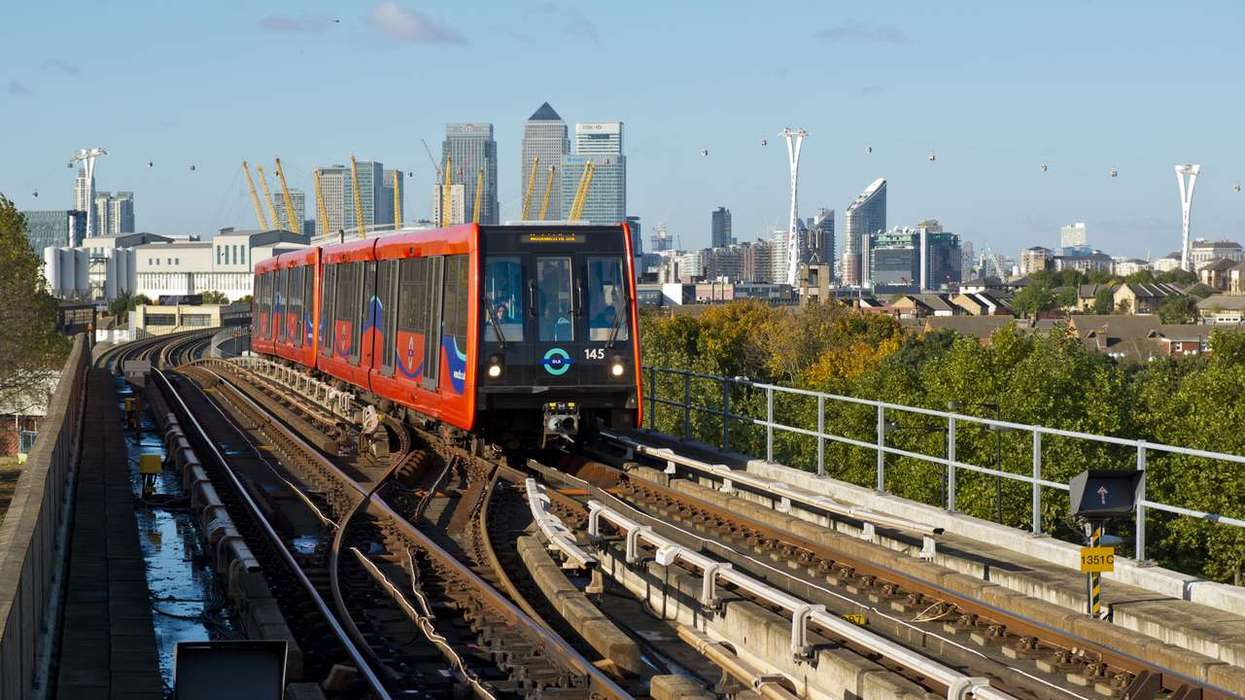
DLR Trains

London's new air-conditioned DLR trains are returning to service after a 10-month safety-related withdrawal

iStock

London’s newest DLR trains were pulled over a braking fault, so what has changed before their return?

  • The first of 54 new DLR trains has returned after 10 months off the tracks.
  • The fleet was withdrawn just six weeks after its launch in September 2025.
  • A braking software fault was identified under low rail adhesion conditions.

London has finally got its new DLR trains back, but the rollout has been anything but smooth.

The first of 54 new air-conditioned trains has returned to passenger service after spending 10 months off the tracks. The fleet was introduced in September 2025, only to be withdrawn six weeks later after one train overshot a station platform during wet weather.

Keep ReadingShow less