
FOUR hopefuls remained in the race to become leader of the Conservatives on Tuesday (10), after former work and pensions minister Mel Stride was eliminated. Former home secretary Priti Patel was knocked out in the first round of voting last week. The contest to replace former prime minister Rishi Sunak as leader will continue until November 2.
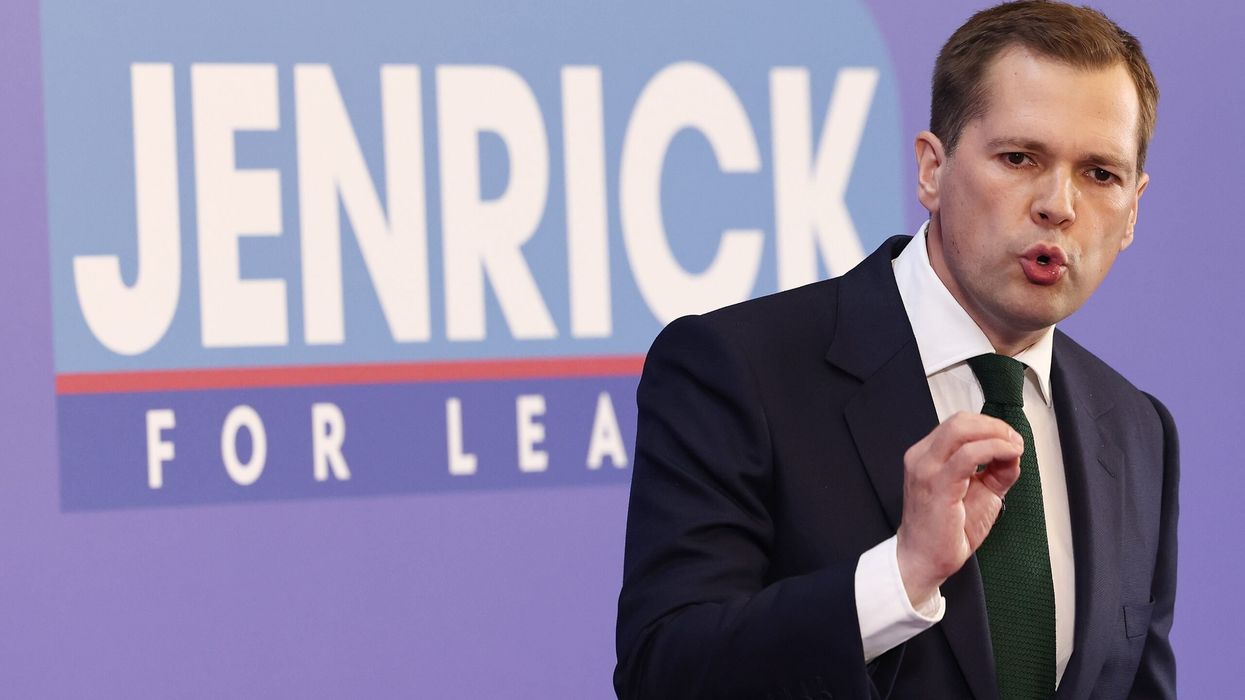
In Tuesday’s (10) second round of voting, Robert Jenrick, a right-winger who resigned as immigration minister over concerns that the government’s plan to send asylum seekers to Rwanda was not tough enough, maintained his lead. Jenrick secured 33 votes, while former trade minister Kemi Badenoch came in second with 28 votes. Former security minister Tom Tugendhat and former home secretary and foreign minister James Cleverly each received 21 votes. Stride was eliminated after receiving 16 votes.
After 14 years in power, the Conservatives saw their parliamentary numbers drop to 121 seats in July’s election, down from more than 360 in 2019. The reduced number of MPs, combined with the final vote coming from Conservative members—whose numbers are not disclosed by the party—makes predicting the winner challenging.
Whoever becomes Conservative leader will face the task of repairing the damage inflicted over the past eight years, marked by chaos, scandal, and deep divisions over Brexit. Since former prime minister David Cameron resigned after losing the 2016 Brexit vote, the Conservatives have had four leaders, three of whom were ousted by their own MPs.
All remaining candidates have pledged to unite the party and return it to its conservative roots of small government, low taxes, and personal freedoms. However, they differ on how to address immigration, an increasingly important issue as public services are strained.
Jenrick advocates for setting a cap on legal migration in the tens of thousands and for detaining and removing illegal migrants within days. He also supports Britain leaving the European Convention on Human Rights (ECHR), a treaty signed by nearly every European nation.
In contrast, Badenoch has refrained from proposing a cap on immigration numbers or exiting the ECHR. She argues that the immigration system is broken and insists that if the Conservatives win back power at the next election, they must first address the issue of civil servants or officials who are “squeamish” about deporting people.