
At a time when more and more of us are feeling the overload of restlessness, stress, and anxiety – caused by work, family, and mass media – Rishab Sharma’s Sitar for Mental Health is just what is needed.
His show isn’t just a performance – independent of the audience – but an interactive movement that explores the intersection of sound, consciousness, and wellbeing. From the outset, the audience become part of the music and its hypnotic qualities.
To create this effect, Sharma draws upon the ancient raga system to tap into the therapeutic essence of Indian music, using tone, rhythm, and resonance to restore balance to the audience’s psyche.
In effect, the concert is – in parts - a trace-like meditation to the inner consciousness, a dialogue between the body and the soul. In other parts, it’s a raucous fusion of classic ragas and hits from popular culture – there’s even a quick nod to The Game of Thrones. It’s this modern fusion with just the right mix of spirituality and pop that makes the show an extraordinary blend that is soothing, serene, and tranquil.
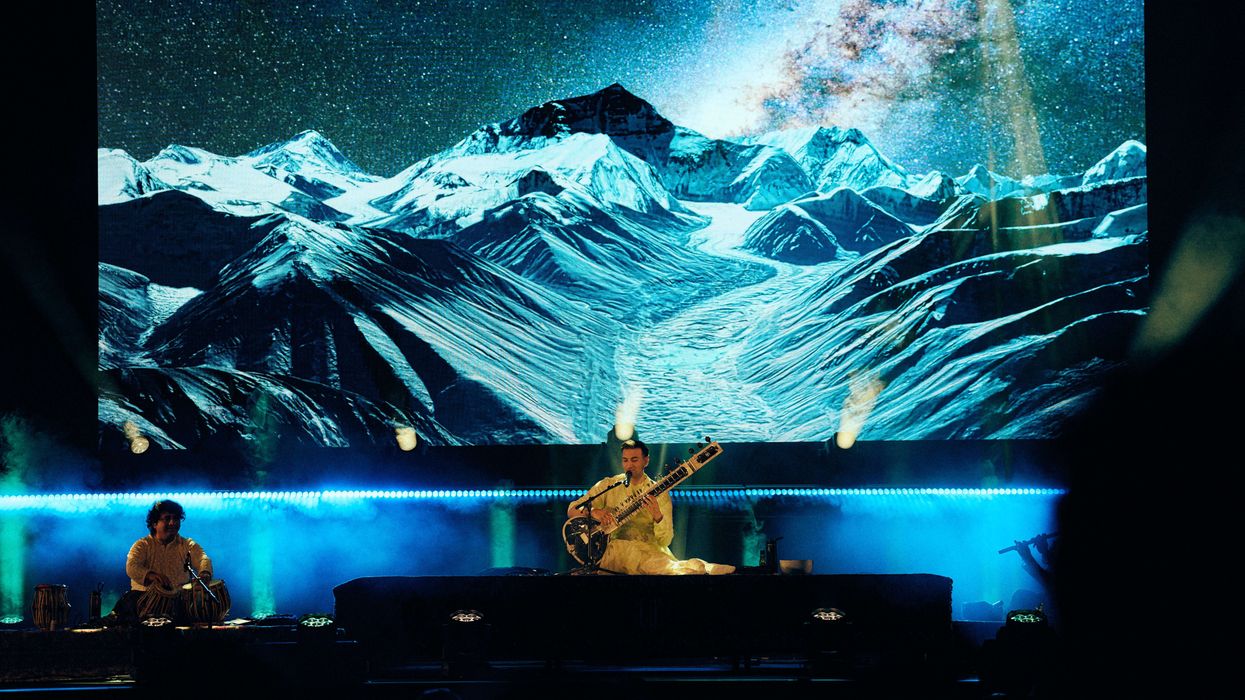
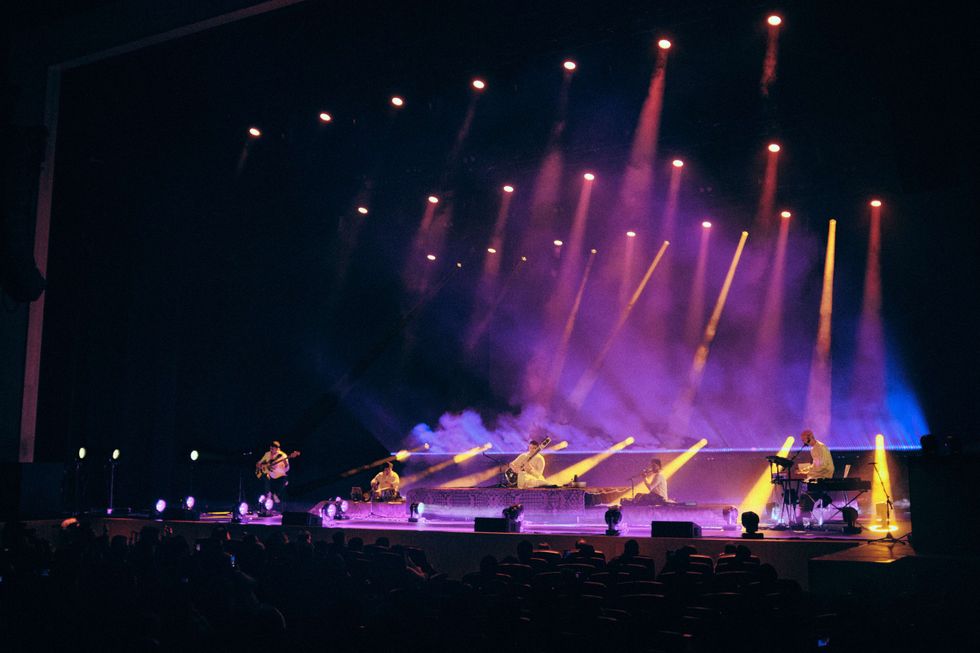 Glimpses from Rishab Sharma's concert
The show opens with a short biographical film that highlights Sharma’s own battle with anxiety and depression, and the way the sitar has helped him to fight those mental demons. Sharma (a fourth generation of satarists) refers to his music guru, the late Ravi Shanker, his isolation during the lockdown, and the numerous international accolades he has received over the last few years (he’s still only 27).
After a light-hearted introduction, Sharma begins with a short pranayama (breathing exercise) to prepare the audience for the transcendental experience. The show is clearly a focus on mental health and wellbeing aspects which in recent years, have highlighted in social policies.
It’s no hyperbole to say that Sharma’s ragas unfold with astonishing grace and artistry. Though they are all beautifully composed, some of the pieces are particularly moving. For instance, Kailashon Ke Vaasi is a powerful work inspired by Lord Shiva’s cosmic abode. The slow-burning tune is spiritually rich, and as the other instruments joined in, the performance lifted into another realm. Every pluck and pause of the sitar is measured as if Sharma knows what the audience is feeling. With some members brimming with tears, the auditorium becomes a collective experience of shared memory. It’s as if the music and his strumming of the sitar is like a wormhole into our deep consciousness.
Other pieces seem more delicately composed – quiet and personal. Roslyn for instance, has a certain restraint, melancholy, and vulnerability. The silence between the notes speak as loudly as the notes themselves.
The sitar, with its shimmering overtones and elastic glides, becomes a tool for emotional release. The interplay between sitar and tabla creates a pulsating energy that gently realigns the listener’s attention inward, offering an experience that is simultaneously grounding and transcendent.
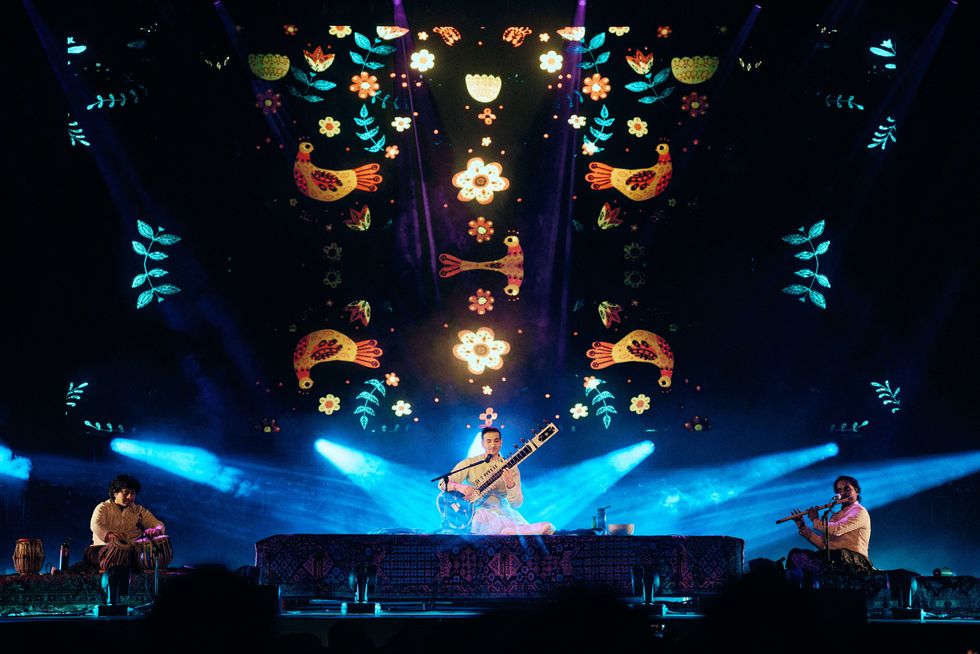 Glimpses from Rishab Sharma's concert
The finale Shiv Taandav is, of course, a beautiful and emotional tribute to Sharma’s Hindu roots and the audience – all standing – felt a certain religious and cultural pride in seeing the passion with which this was delivered. Sheer poetry in motion.
In the end, Sharma’s performance leaves the listener not just musically enriched, but spiritually and emotionally renewed. This is entertainment and therapy at its finest – a rare and beautiful gift in our restless age of modernity and cacophony of life. If you are to see one classical performance this year, this is it.
Rishab Sharma plays Manchester Lowry on Monday (13), tickets available at the link here: https://thelowry.com/whats-on/rishab-sharma-sitar-for-mental-health-b4md
Rating: ***** (5 stars)

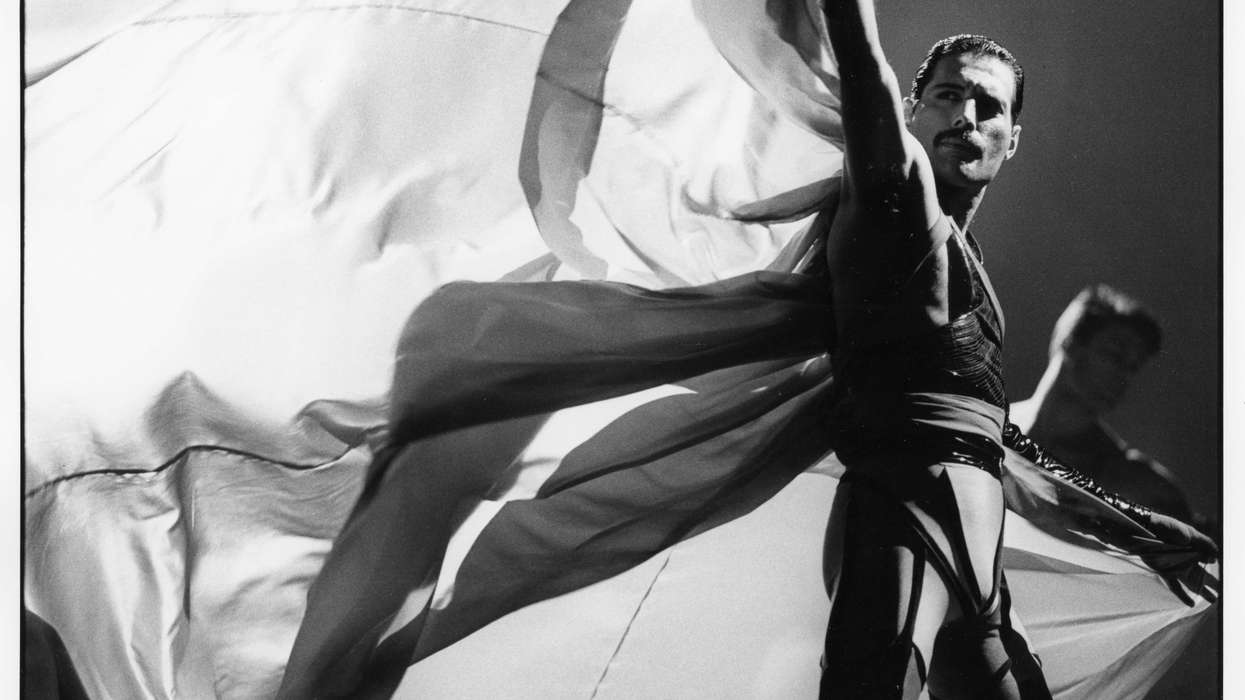
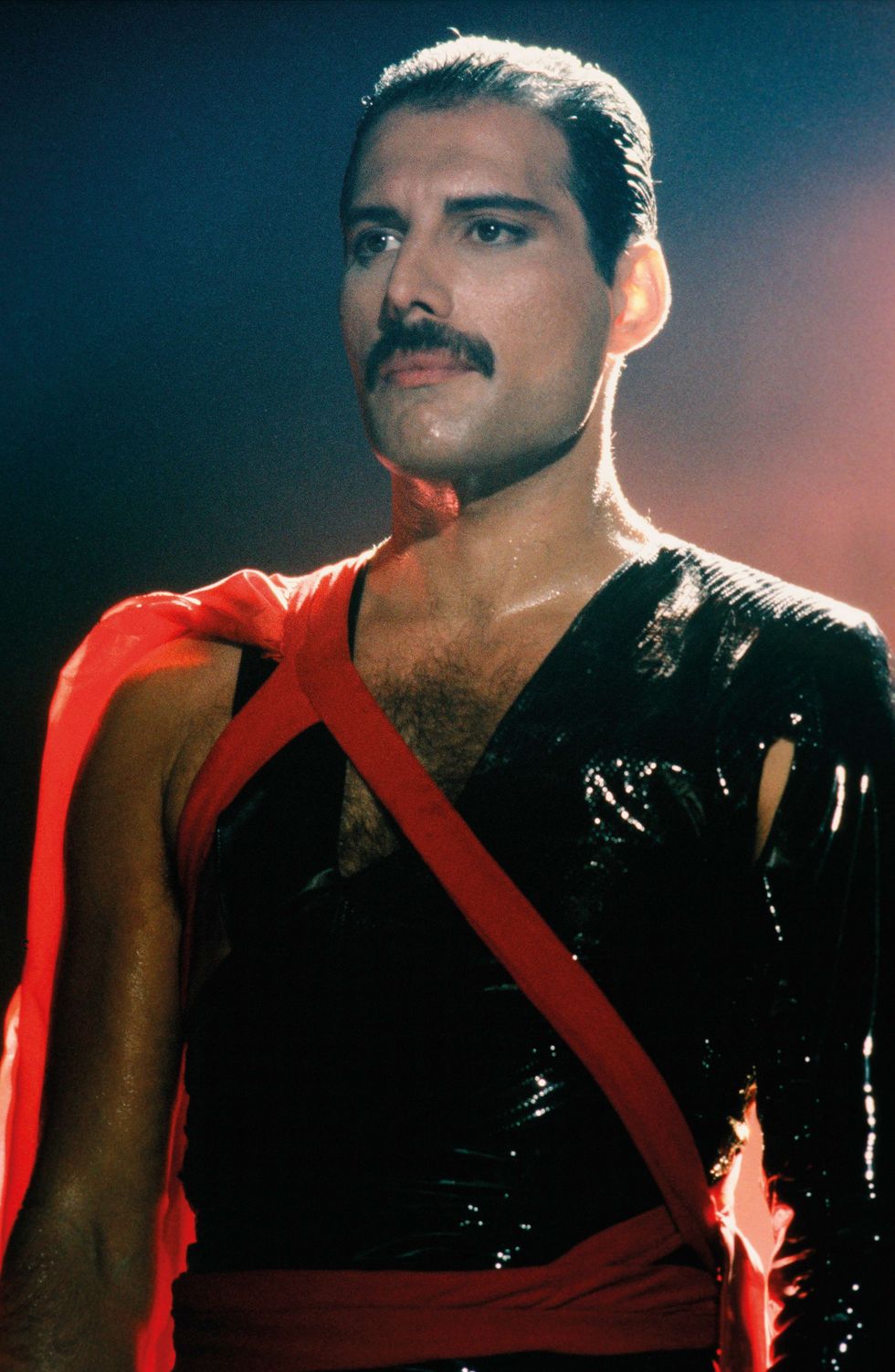 Freddie Mercury in the Made in Heaven music videoSimon Fowler © Mercury Songs Ltd
 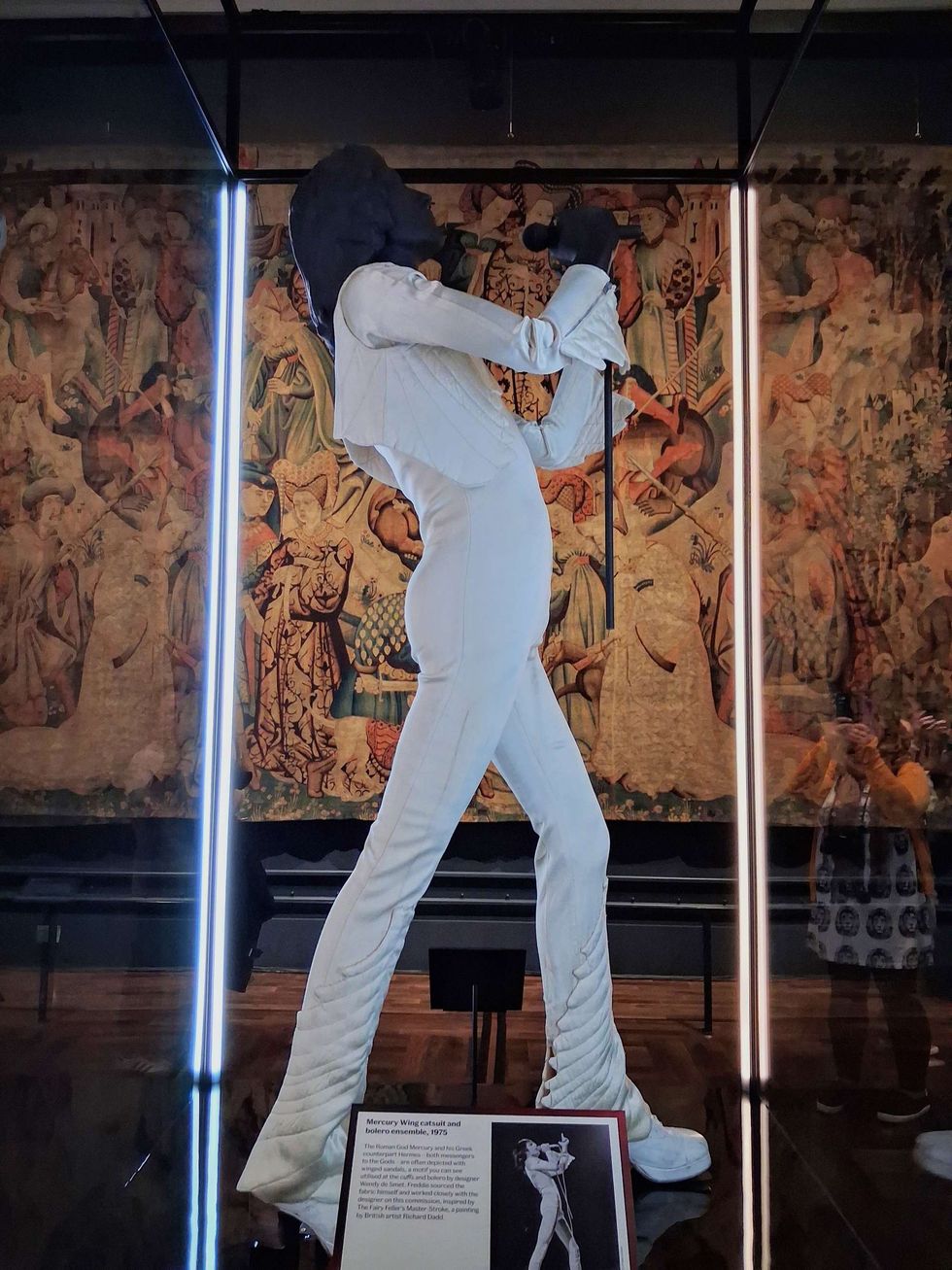 Mercury Wing Catsuit and bolero ensemble (1975)Amit Roy
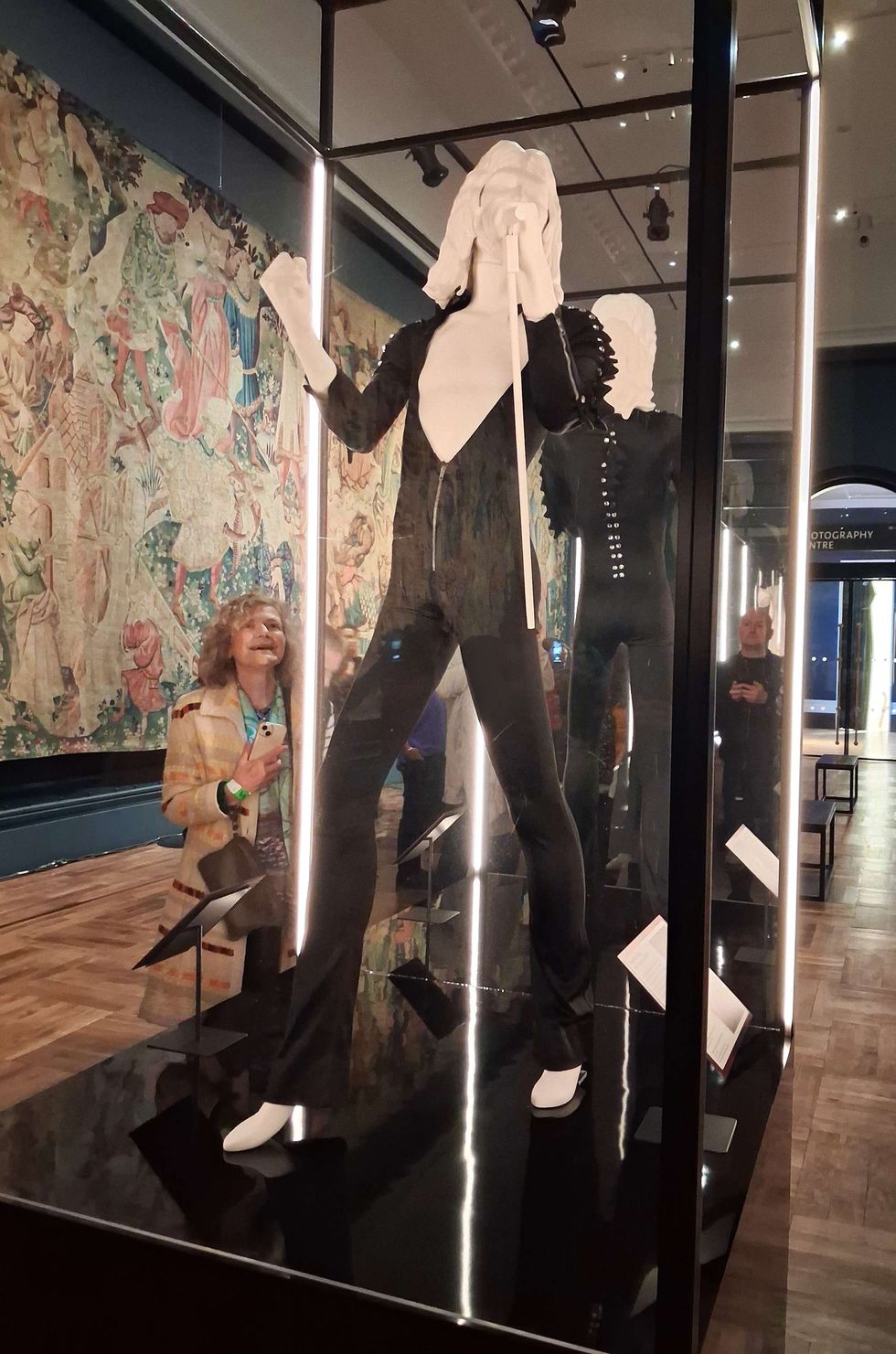 Designer Wendy de Smet with the spine suit or the Black Queen suit from 1975 Amit Roy
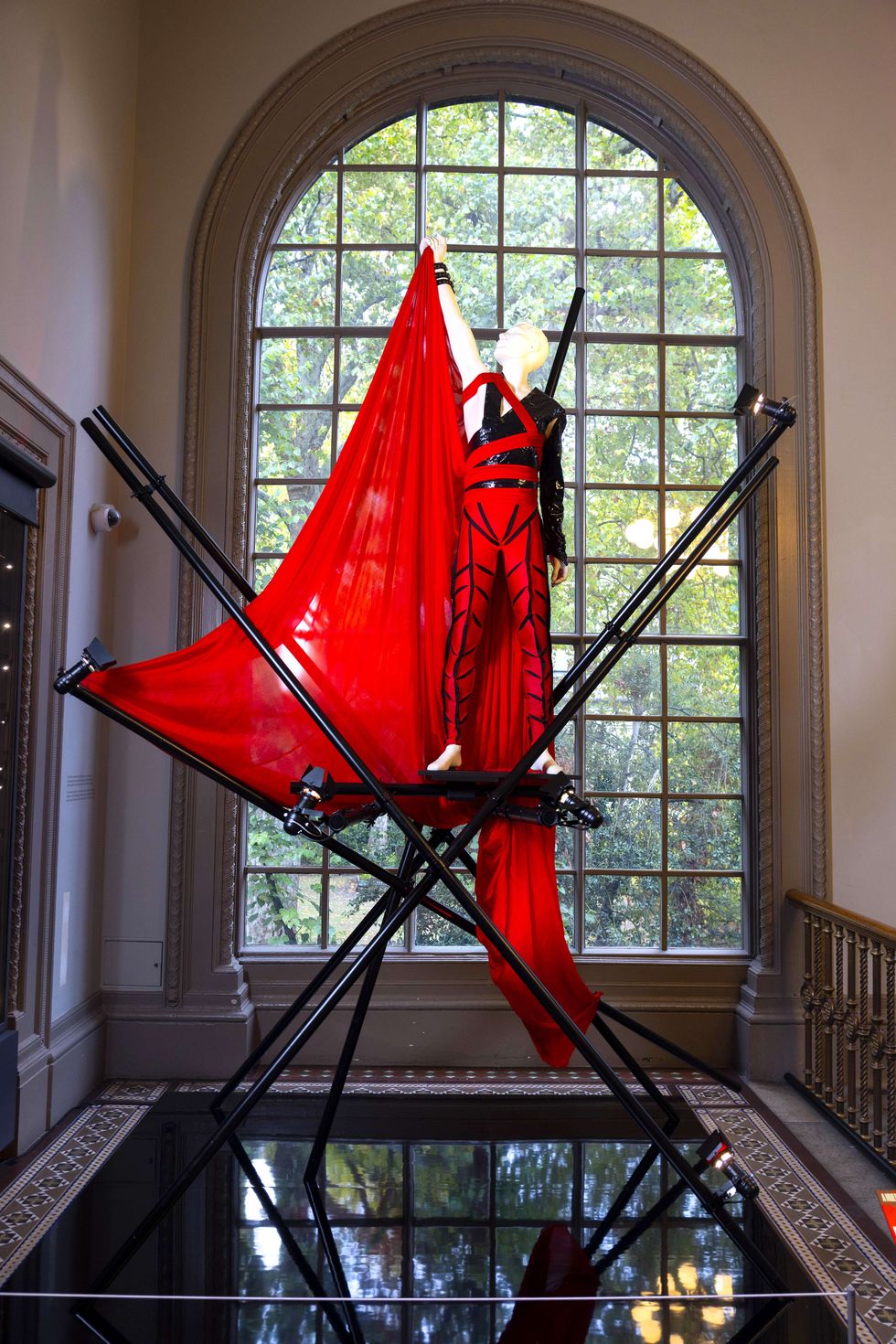 Made in Heaven music video costume (1985) David Parry/V&A
 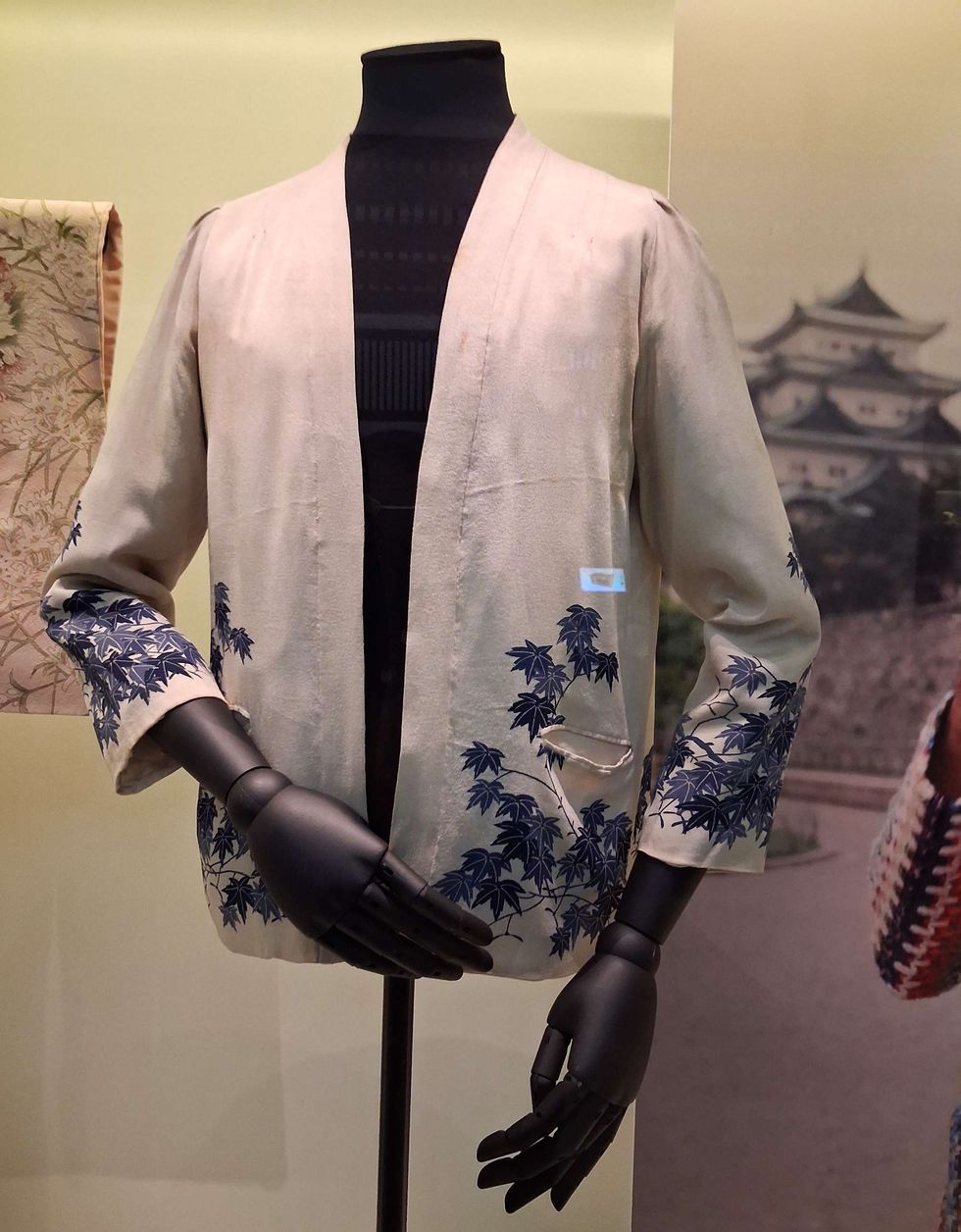 Japanese jacket (early 1970s)Amit Roy
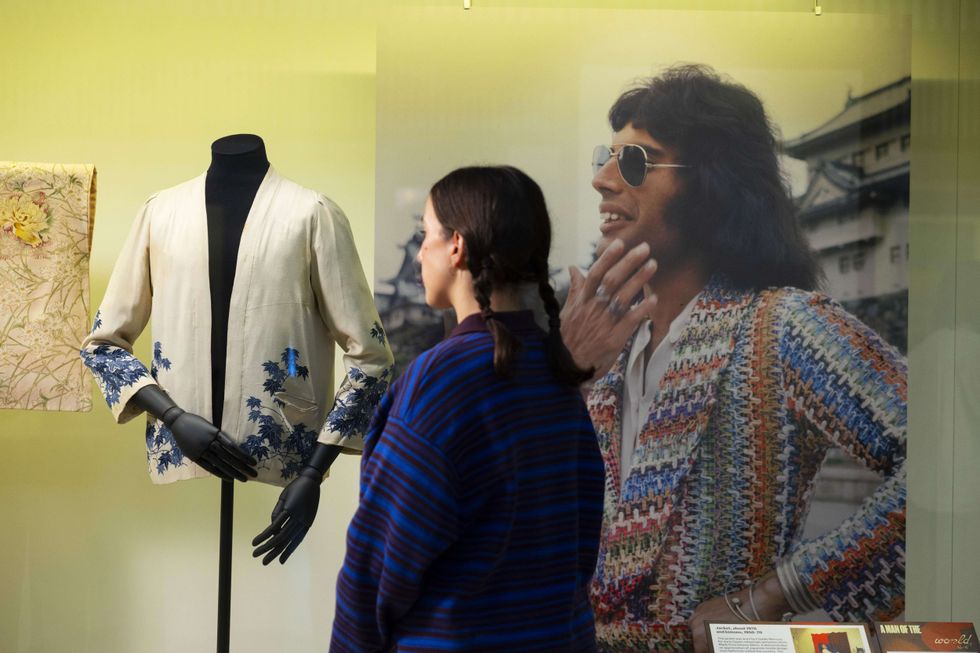 Japanese jacket (early 1970s) and kimono (1950-70) David Parry/ V&A
 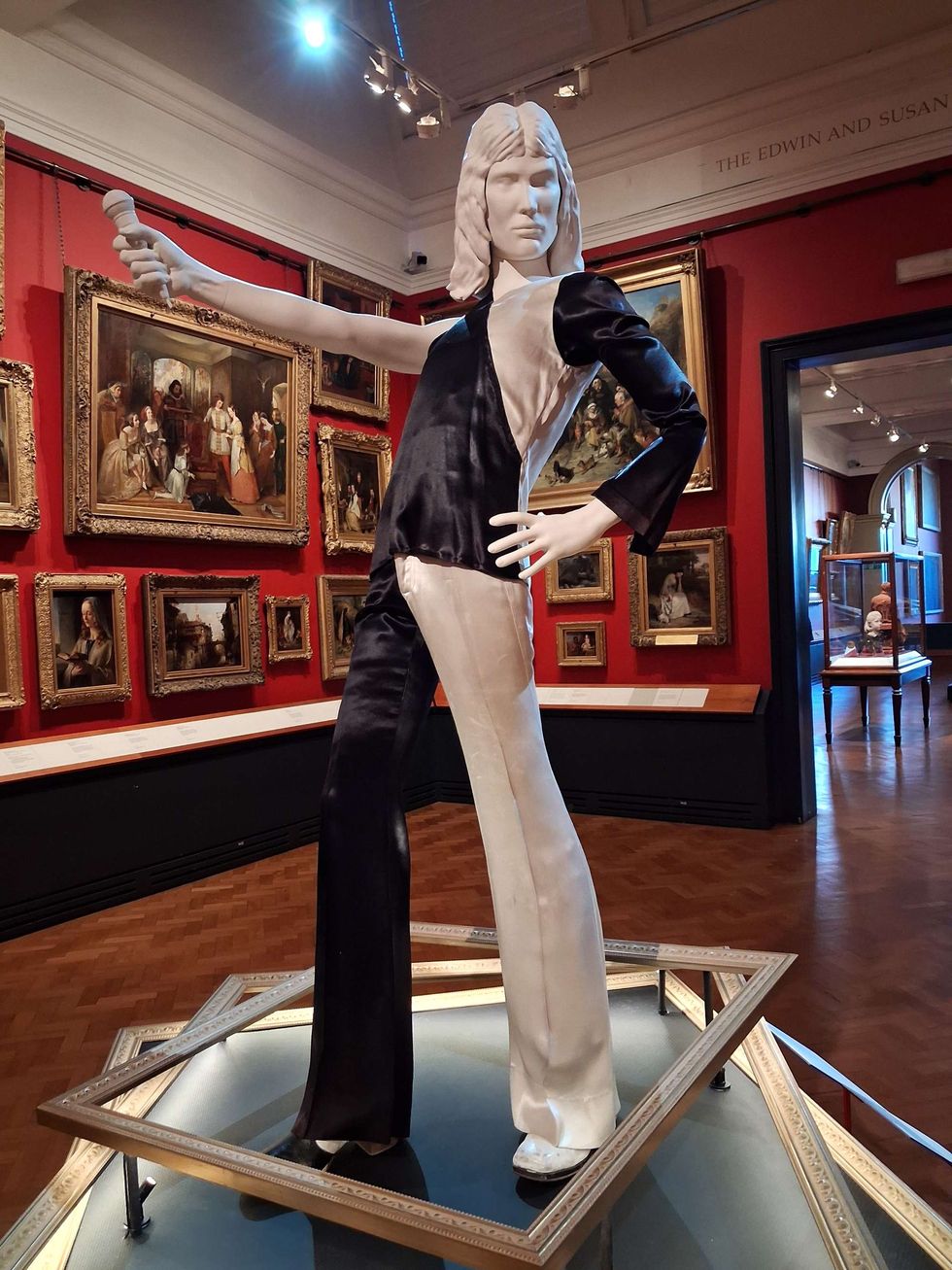 Ensemble worn for Imperial College gig in 1973Amit Roy
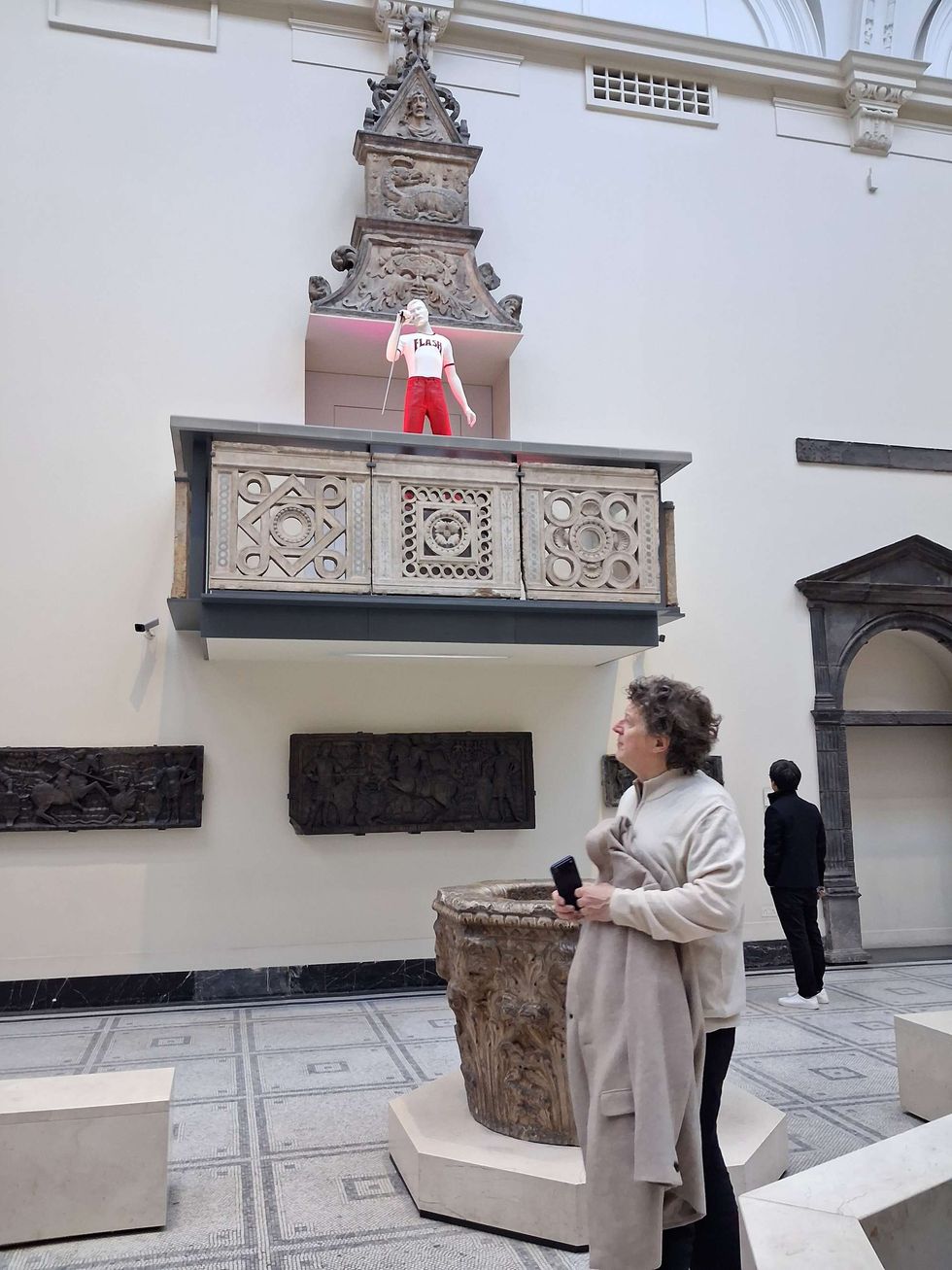 Flash ensemble and half mic (Flash Gordon 1980)Amit Roy
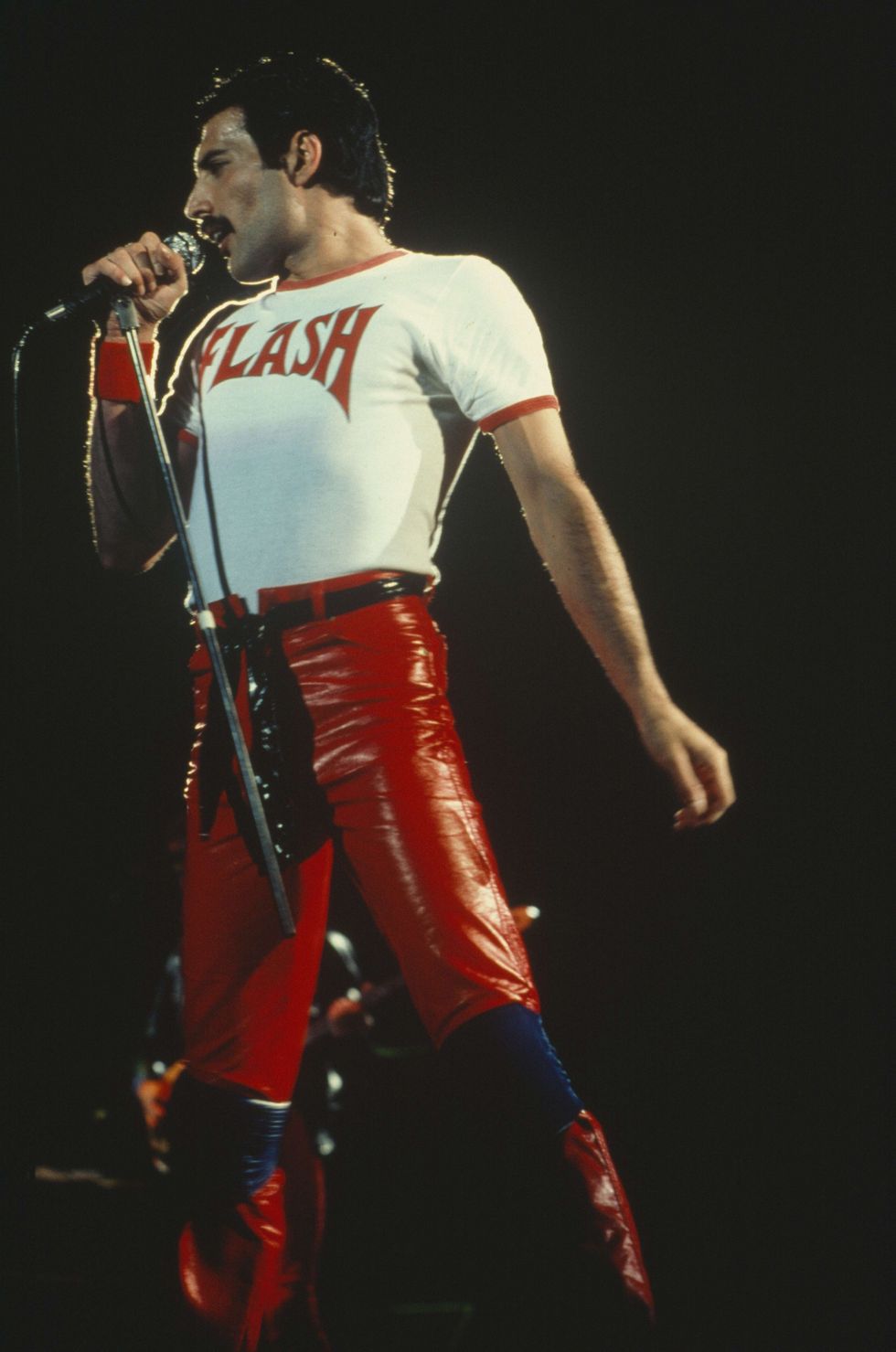 Freddie Mercury performs wearing a 'Flash' t-shirt at Sports Arena in San Diego, California, United States, on 5th July 1980David TanShinko Music/Getty Images
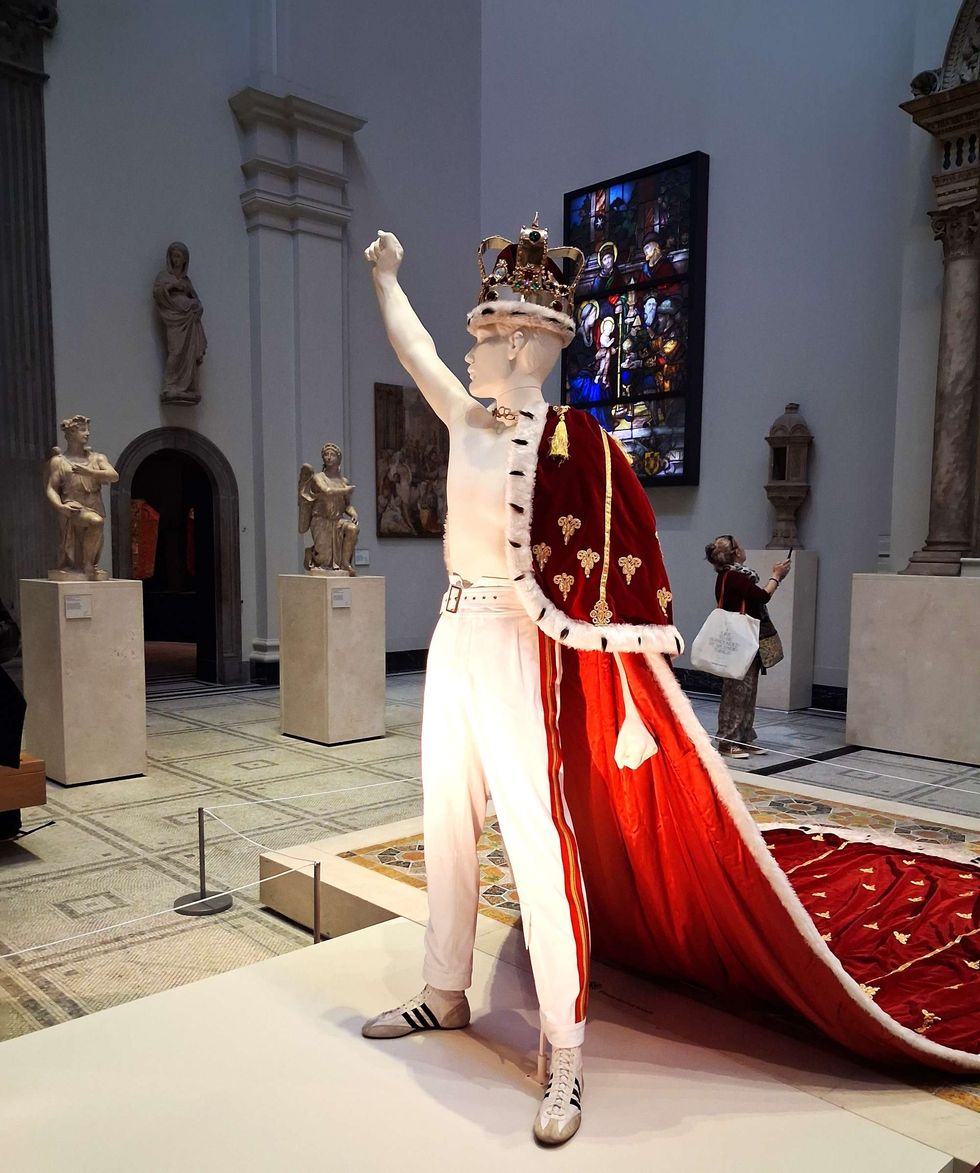 Cloal and crown ensembleAmit Roy
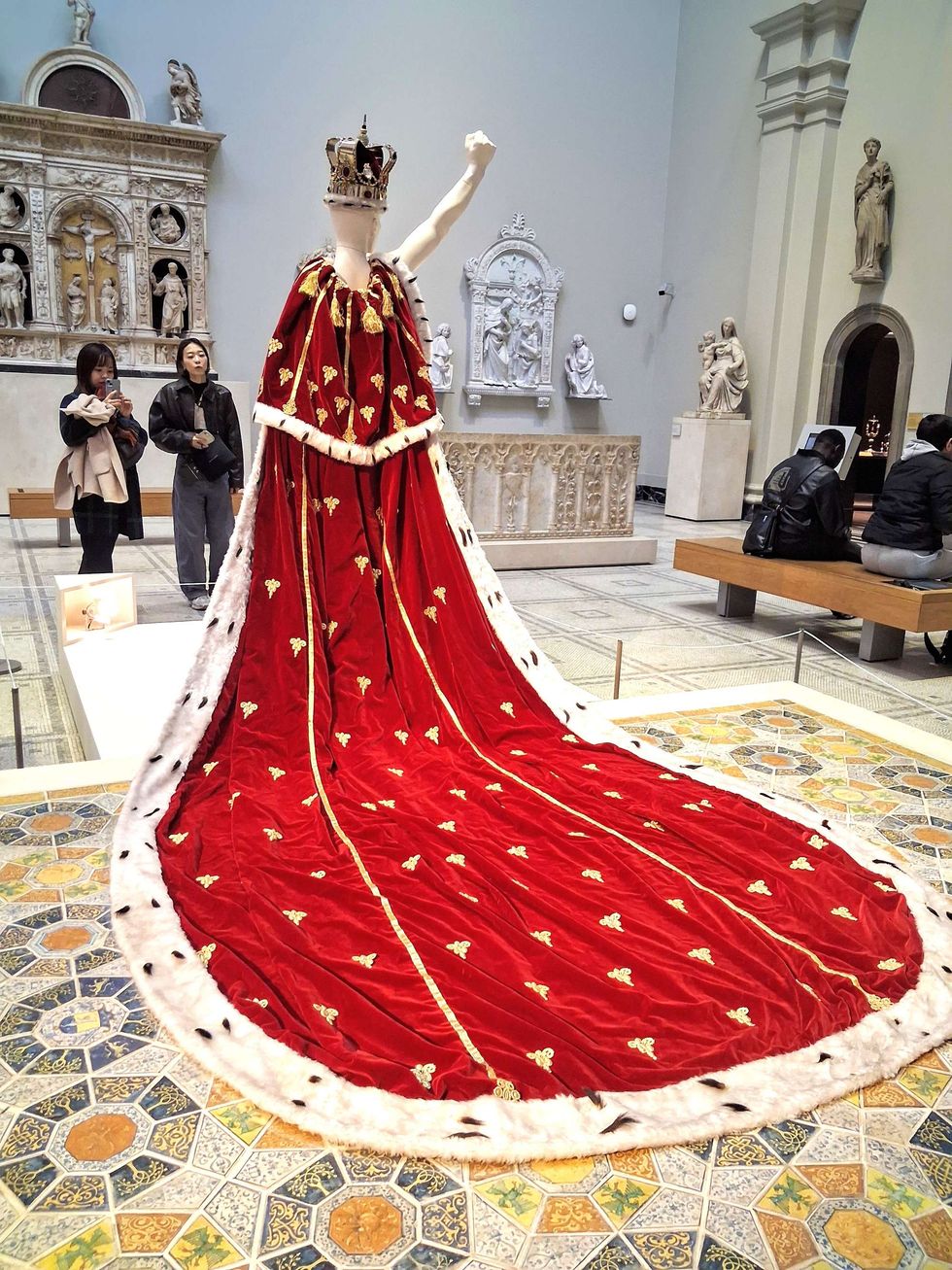 Cloak and crown ensemble (1986)Amit Roy
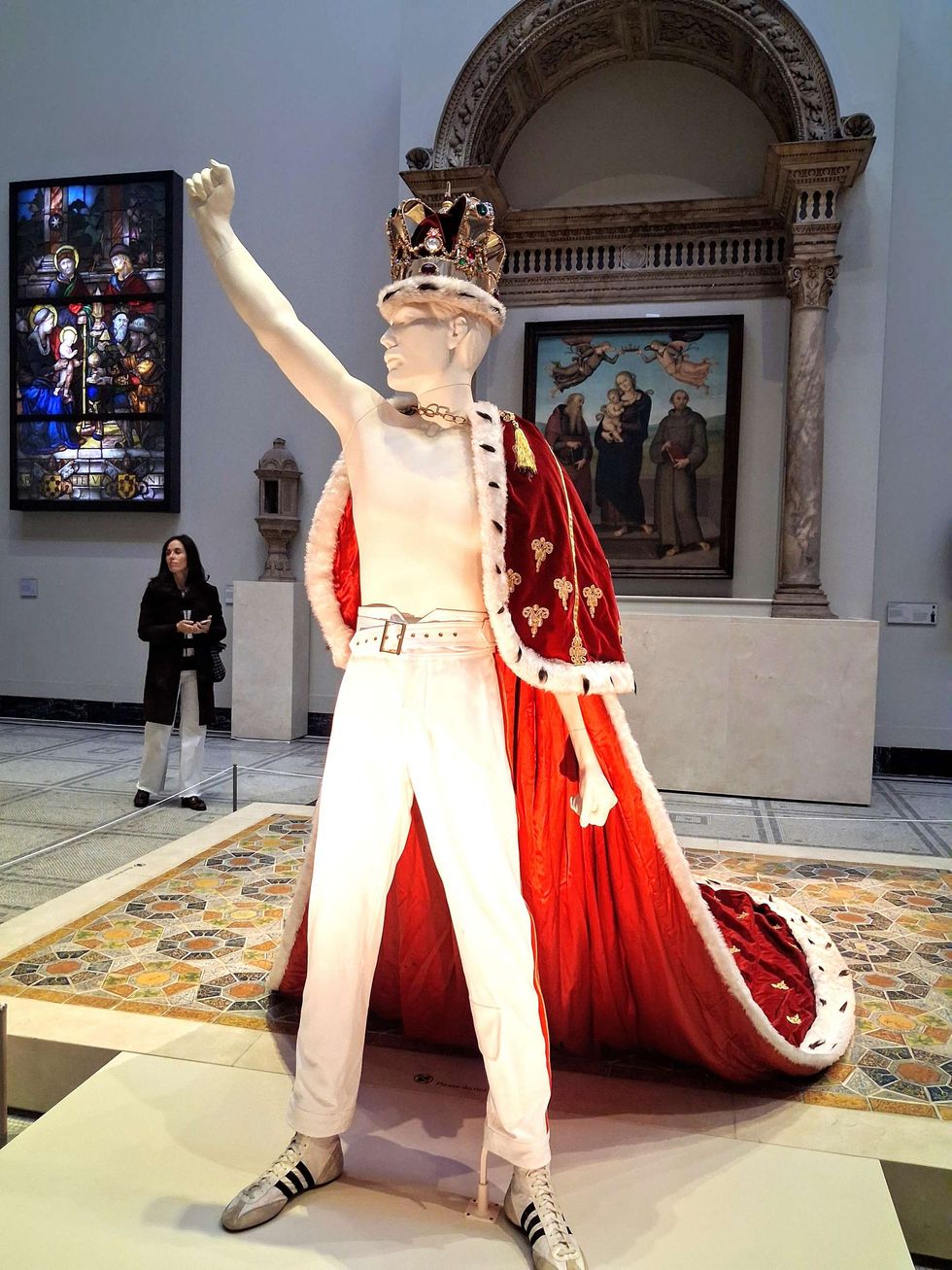 Cloak and crown ensemble (1986)Amit Roy
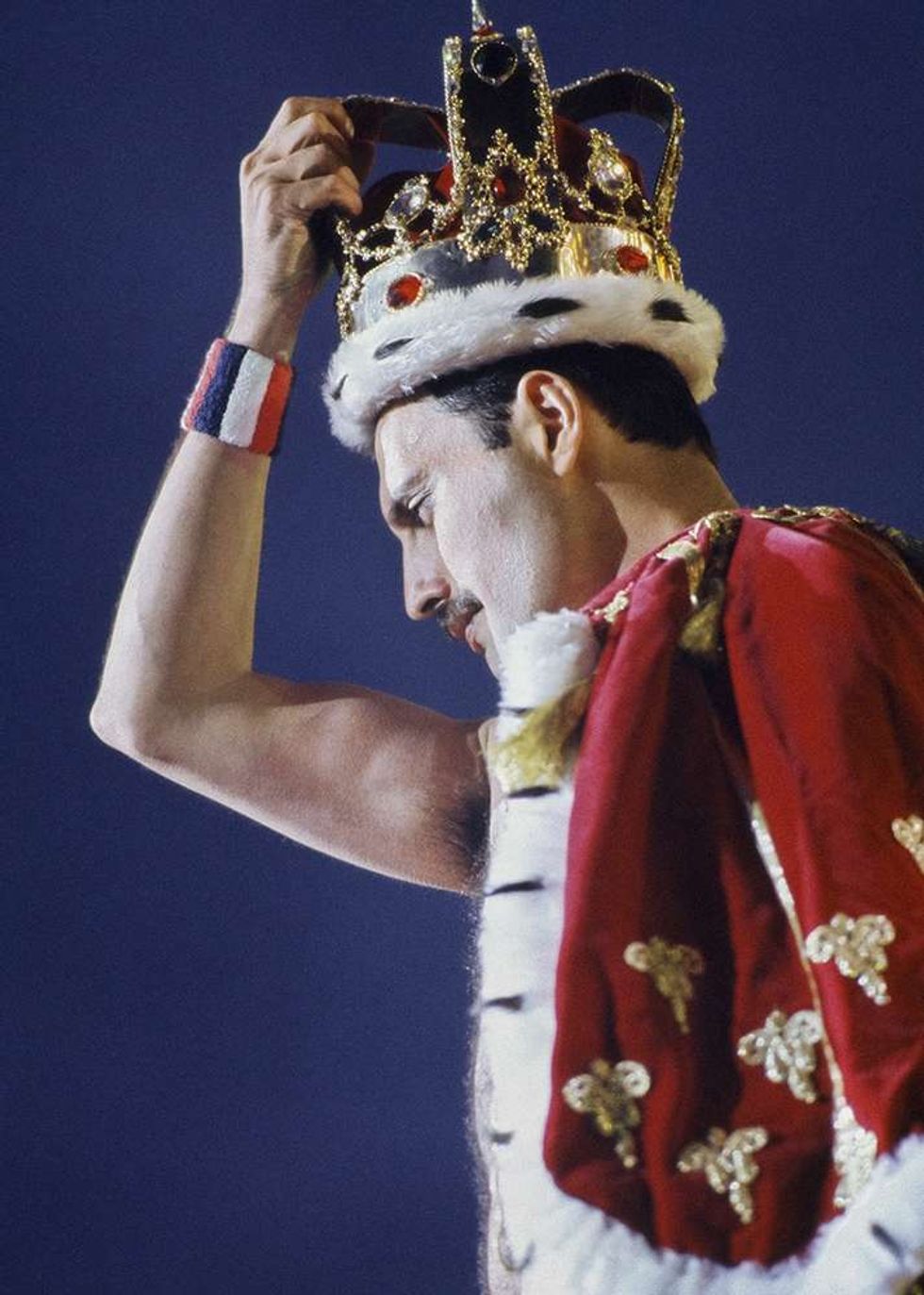 Freddie Mercury, Magic Tour (1986) Denis O’Regan