A new report has found claims of “racially segregated” accommodation and widespread abuse from other students in the UK, reported The Guardian.
- The report titled Living Black at University urged Universities and accommodation providers to tackle racism experienced by Black students in halls of residence.
- According to the report, more than half of Black students said they had been victims of racism while living in UK student accommodation, and nearly two-thirds had witnessed racism.
- “These experiences ranged from insensitivity around things like hair or food, to the use of racial slurs, to spitting, shouting and physical violence,” the Guardian report said.
The report commissioned by the student accommodation provider Unite Students surveyed and interviewed more than 1,000 students. It is the first report to deal with the experience of racism in higher education in a non-academic context.
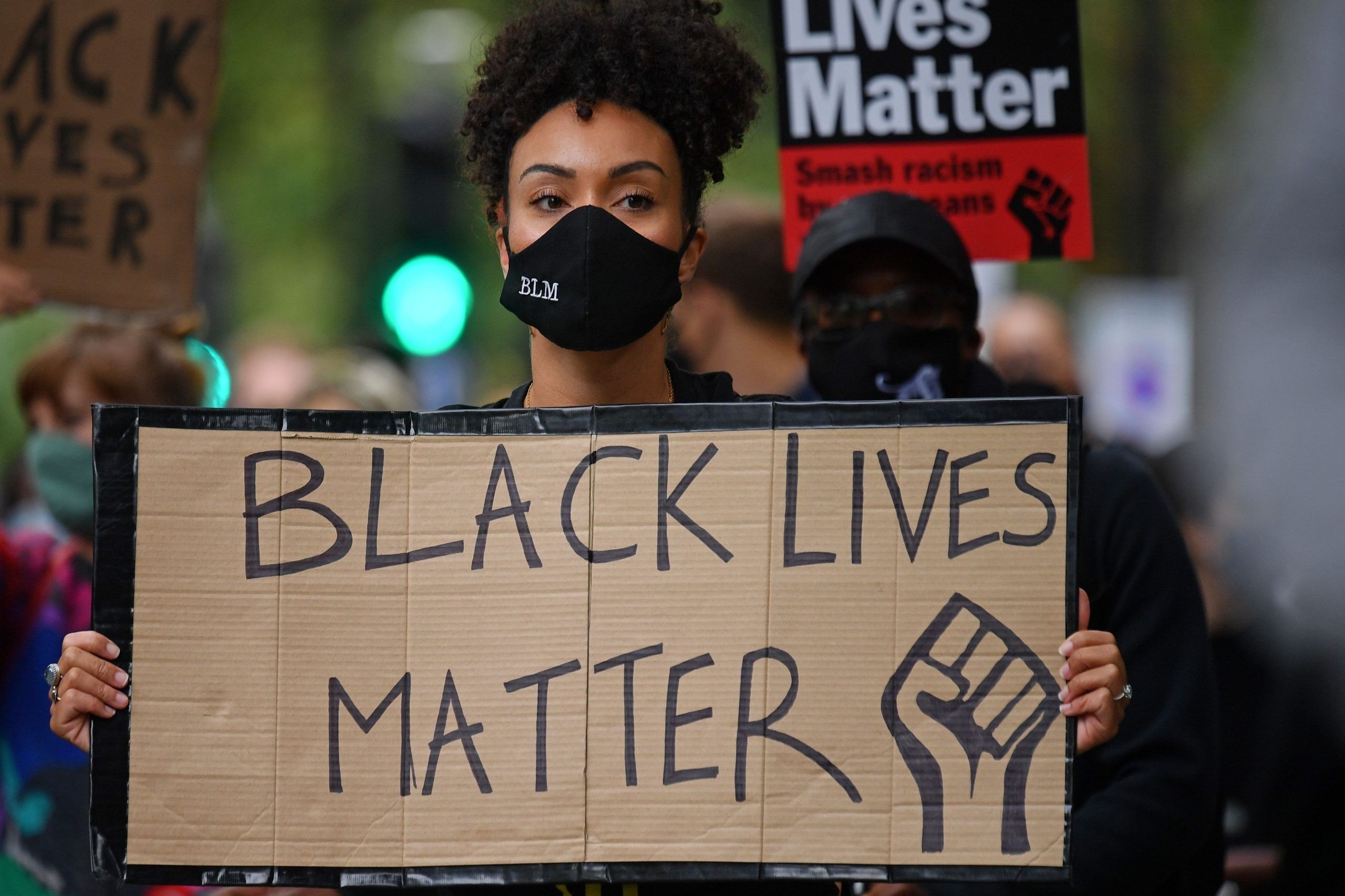 (Photo by JUSTIN TALLIS/AFP via Getty Images)
“My block was known as the block for Black people from London. I think it was probably intentional because there was also a block with mainly white students," a student was quoted as saying in the report.
Three-quarters of Black students reported an impact on their mental health due to racism, compounded by a lack of support and difficulties in finding Black counsellors who had the experience to understand the impact.
The report also recommended to include training for staff and ensure that staff reflect the diversity of the students.
The report also calls for accommodation providers to “build a relationship of trust with Black students” and to collect and publish data and outcomes of complaints involving racism.
Prof Iyiola Solanke, the dean for equality, diversity and inclusion at the University of Leeds, has said that said there was a “direct pipeline” between tackling racism in university housing and increasing the number of Black professors.
“I think Black students have shown that they are adventurous, they’re willing to go to campuses that are not well integrated … but universities need to reciprocate and really need to do what they can to encourage students to stay, because that’s also a way to diversify faculty and diversify professional services,” Solanke was quoted as saying by the Guardian.
According to the research, 40 per cent of black respondents said they had seen staff “positively confront racist attitudes”, while 57 per cent said they had witnessed other students confronting racist attitudes.
David Richardson, the vice-chancellor of the University of East Anglia and chair of the Universities UK advisory group on racial harassment, told the Guardian: “It is deeply worrying to see the proportion of students who report being a victim of racism in their accommodation. It’s another reminder that we must keep collectively working on tackling racism throughout higher education.”