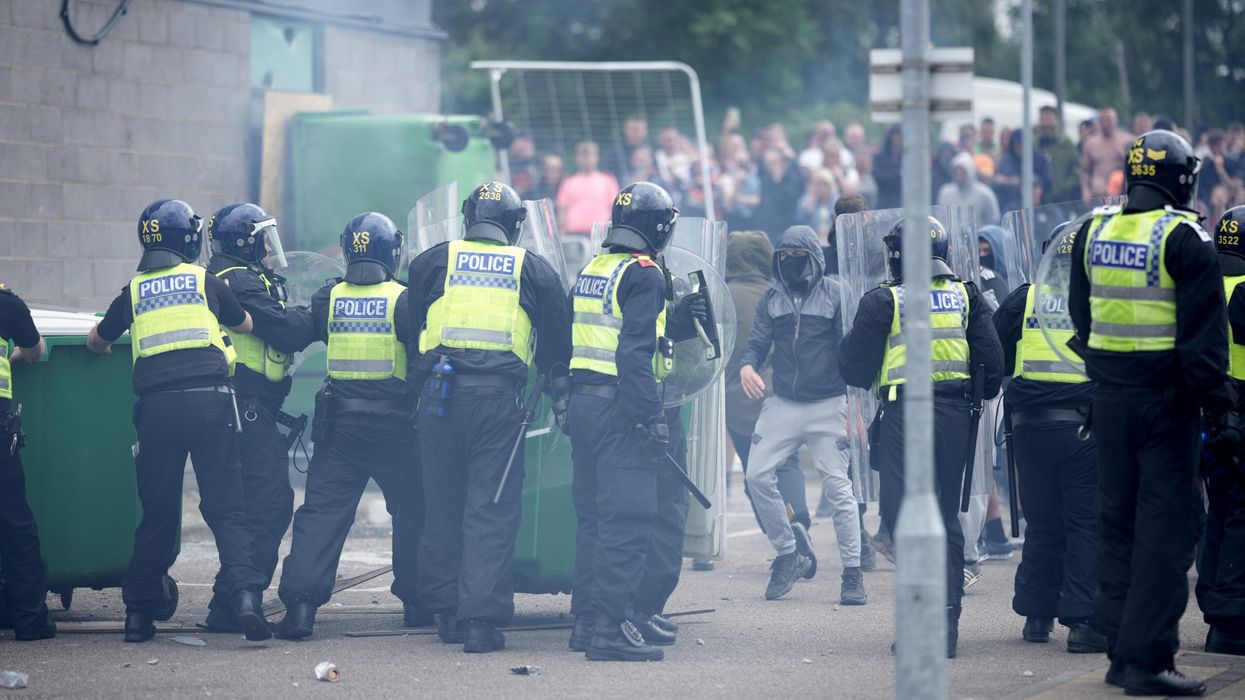

A NEW report by Power to Change has highlighted the connection between last summer’s riots in the UK and the low social fabric scores of the affected areas.
The findings, based on the Social Fabric Index from the thinktank Onward, revealed that 23 out of 27 riot-hit towns scored below the median on measures of community strength, reported The Guardian.
The Social Fabric Index evaluates economic, social, and physical community factors such as employment rates, education, trust in government, and availability of public spaces.
Areas like Hull, where migrant housing was targeted and police officers were injured, and Middlesbrough, which saw widespread vandalism and attacks on police, had some of the lowest scores. Only Southport, Westminster, and Bristol reached or surpassed the median score.
The report linked the riots to the decline in community resources, citing the closure of 6,000 council-owned assets since 2010 and the loss of green spaces and pubs.
Power to Change recommended investing in community cohesion through measures such as a £1 billion expansion of community ownership funds and flexible funding pots of £1.5 million per place over ten years.
Policy manager Josh Westerling, the report’s lead author, called for a shift from crisis-driven responses to long-term strategies. “Government should stop thinking of cohesion in isolation and recognise it as the bedrock for empowerment and economic opportunity in places,” he said.
The report also suggested expanding English classes, introducing community-based initiatives, and establishing a community growth network to strengthen local bonds and resilience.