
Highlights
- Rebel Wilson called allegations that she bullied women on The Deb “absolute nonsense”
- The actor gave evidence for the first time in a Sydney defamation case
- Charlotte MacInnes claims Wilson damaged her reputation through Instagram posts
- A disputed incident involving producer Amanda Ghost remains central to the case
- Wilson denied involvement in online rumours targeting MacInnes and Ghost
Rebel Wilson pushes back against claims
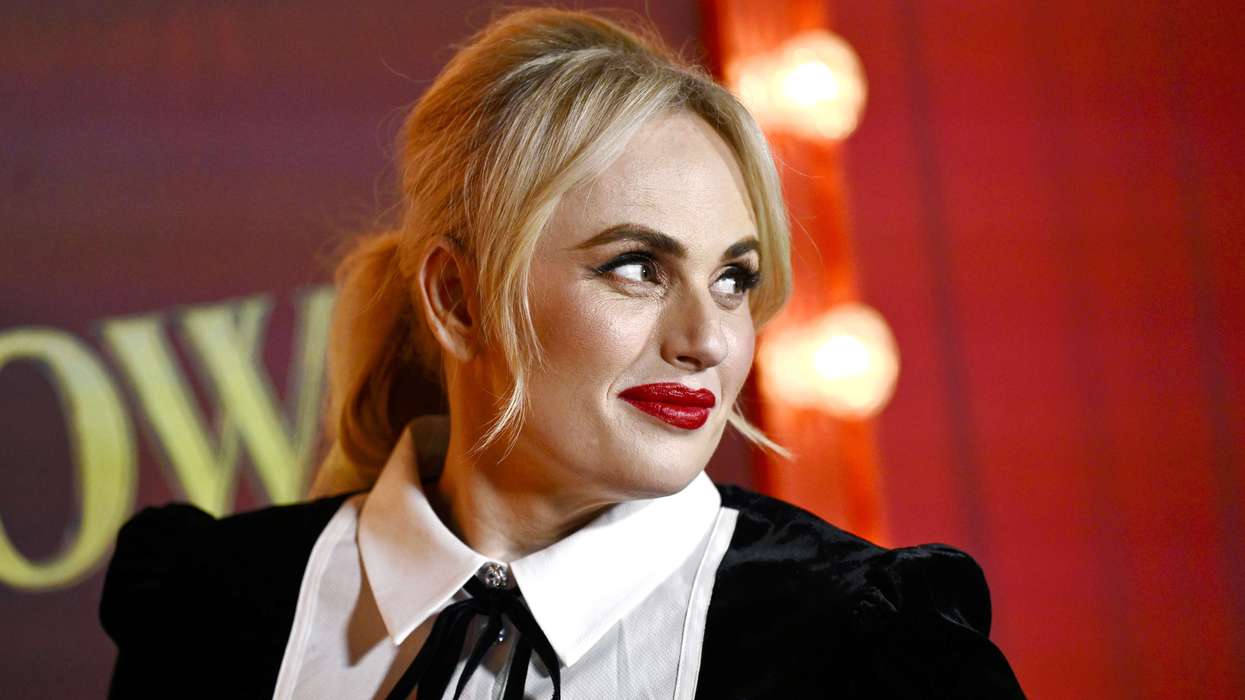
Rebel Wilson took the stand for the first time in her high-profile defamation case in Sydney, where she rejected claims that she mistreated women involved in her directorial debut The Deb.
During cross-examination, prosecutors asked whether she viewed herself as a “champion of women”, to which Wilson responded yes.
She was then challenged over allegations that she had bullied women working on the film, including actor Charlotte MacInnes, producer Amanda Ghost and a female writer.
Wilson dismissed the accusations, telling the court they were “absolute nonsense”.
MacInnes is suing Wilson over Instagram posts made in 2024 and 2025, claiming the actor harmed her reputation by accusing her of lying about concerns involving Ghost. MacInnes maintains she never made the complaint Wilson referenced.
Disputed beach incident remains central
A September 2023 incident involving MacInnes and Ghost remains at the heart of the legal battle. The court heard the pair went for a swim at Bondi Beach before Ghost reportedly suffered an allergic reaction to cold water.
After returning to Ghost’s apartment, MacInnes prepared a hot bath. Both women remained in their swimsuits and later spoke briefly with Ghost’s assistant, who brought them hot drinks. Wilson told the court MacInnes later said the incident made her feel uncomfortable. MacInnes disputes that claim and said she only described the situation as unusual.
Text messages shown in court appeared to show Wilson telling Ghost that MacInnes had “zero issues” with what happened.
Social media posts and wider allegations
Wilson repeatedly told the court she could not remember several details raised during questioning. She also denied any involvement in websites that allegedly spread rumours about Ghost and MacInnes. When prosecutors accused her of lying, Wilson strongly rejected the claim and described the accusation as “outrageous”.
Last week, MacInnes told the court that Wilson had “mischaracterised and exploited” what she described as an innocent situation. Wilson’s legal team has argued that MacInnes’s career has not been harmed, citing her record deal with Atlantic Records and a role in a US theatre production produced by Ghost. MacInnes is seeking aggravated damages and wants Wilson barred from repeating the claims online.
The court has also heard separate allegations involving hacked social media accounts and the leak of a private image of MacInnes. Wilson is expected to continue giving evidence on 29th April, 2026.