
Highlights
- Radiographers report a rise in racist incidents over the past 18 months.
- Some patients have refused treatment from non-white healthcare workers.
- Experts warn increasingly overt racism could affect NHS staff retention.
- Around 21 per cent of the NHS workforce are non-British nationals.
- One in four registered radiographers are trained overseas.
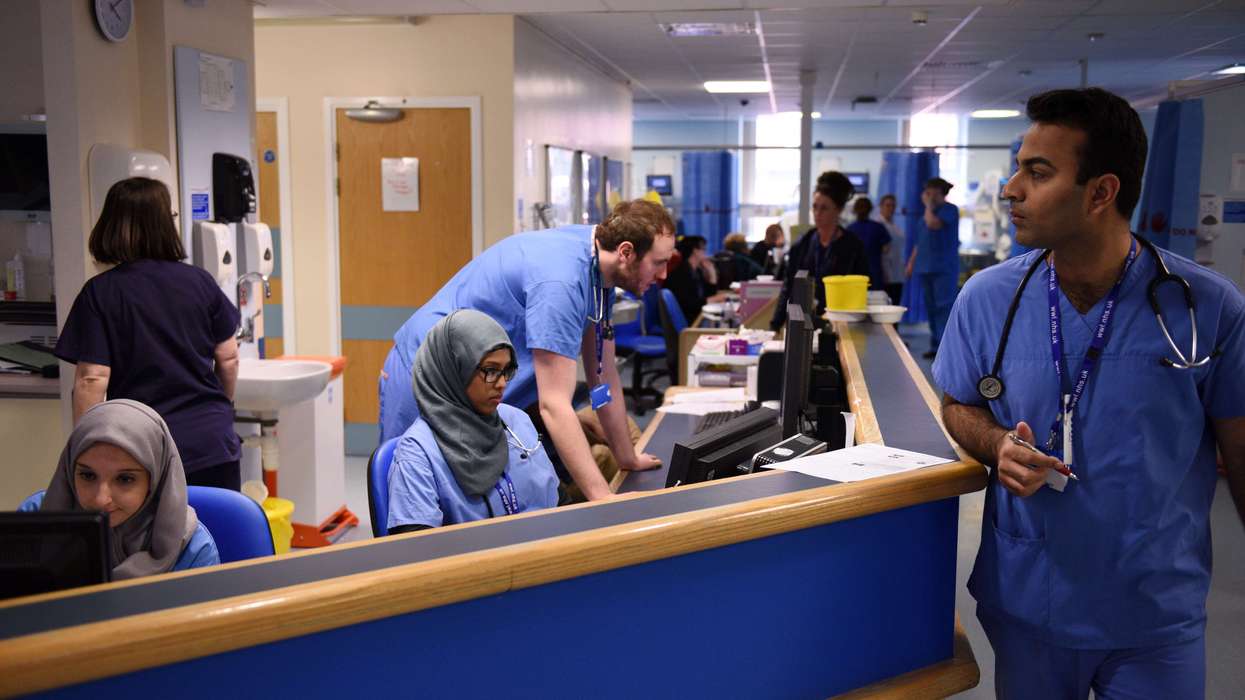
RACIST abuse directed at NHS staff has become more open and frequent over the past 18 months, with patients refusing treatment from non-white healthcare workers and using terms such as “dirty foreigners” and “monkey”, according to a survey by the Society of Radiographers.
The findings, published last Monday (3), came as healthcare organisations and race equality experts warn that increasingly hostile debate around immigration and nationality is affecting ethnic minority staff who are central to the NHS workforce.
Radiographers reported a noticeable increase in racist incidents, including patients questioning the ability of staff because of their skin colour, refusing to be treated by black or Asian healthcare workers and making comments about immigrants “taking our jobs”.
Dr Joydeep Grover, president of the BAPIO Foundation, said there had been an increase in racist behaviour across the NHS, affecting nurses, doctors and other healthcare professionals.
Healthcare workers were expected to treat every patient regardless of race, gender or ethnicity, he said, adding employers were responsible to protect staff from abuse.
“Employers often fail to protect their own staff from such behavior,” Grover said and called for strict implementation of the NHS “Red Card” system and zero tolerance of racist behaviour.
The scale of the issue is significant, as around 21 per cent of the NHS workforce are non-British nationals.
One in four radiographers registered with the Health and Care Professions Council trained overseas. Indians are also the largest group among internationally trained medics working in the NHS, with around 45,000 Indian doctors and other medical staff, among more than 1.5 million NHS employees, according to figures cited in the report.
Jabeer Butt, chief executive of the Race Equality Foundation, said the findings were worrying, but not unexpected.
“For more than a decade, the NHS Workforce Race Equality Standard has consistently shown that staff from black, Asian and minoritised ethnic backgrounds are more likely than their white colleagues to experience bullying, harassment and discrimination at work,” Butt said.
However, he noted the nature of the abuse appeared to be changing.
“What appears to have changed is that this abuse has become more overt,” he said, linking the development to increasingly hostile rhetoric about migrants in political and public debate.
He stressed that the problem should not be viewed simply as an issue about immigration. “Many of the staff experiencing this abuse were born, educated and trained in Britain,” Butt said. “They are being targeted because of the colour of their skin, their name or their perceived ethnicity.”
According to Butt, almost three in 10 NHS staff now come from black, Asian and minoritised ethnic backgrounds. He warned that if these workers feel unsafe, undervalued or unsupported, it could become harder for the health service to recruit and retain the staff it needs.
The experiences described by radiographers show how such behaviour can affect staff during routine patient care.
An Asian sonographer working in the Midlands said patients had repeatedly made comments – while she was conducting scans – about immigration and people “coming over here, taking our jobs”.
In one case, a white man refused to allow a sonographer of colour to scan his pregnant wife, saying: “I don’t want anyone from any ethnic background touching my woman.”
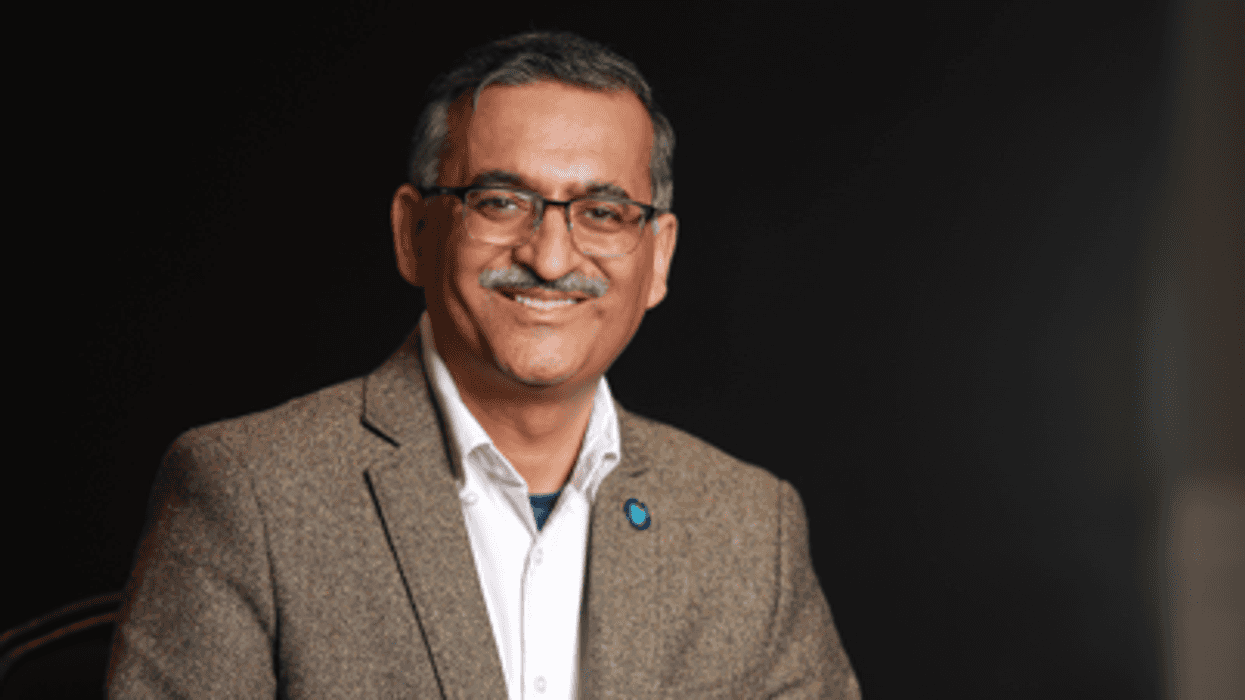 Dr Joydeep GroverEastern Eye
Another patient refused to allow a black radiographer to conduct a chest x-ray, saying: “Black people frighten me.”
Dr Chaand Nagpaul, chair of the BMA Forum for Racial and Ethnic Equality and a board member of the NHS Race and Health Observatory, said political leaders had a responsibility to ensure public debate did not blur the distinction between immigration policy and the contribution of ethnic minority healthcare workers.
“Political leaders have a responsibility to feed a socially cohesive narrative and ensure the public understand the facts,” he said.
He noted that many ethnic minority healthcare workers had come to Britain through government-led recruitment programmes to fill critical workforce gaps.
“These colleagues deserve open recognition for their hard work, dedication, and loyalty,” he said.
Nagpaul added: “The reality is clear: the NHS could not function today without its ethnic minority and migrant workforce, who make up 30 per cent of the NHS workforce.”
He also warned that racism was having an impact beyond individual staff members.
“Significant numbers of ethnic minority doctors are off sick due to racist incidents, and others are choosing to retire early,” he said, adding that this was increasing pressure on NHS staffing.
Vignesh Murali, co-chair of the British Indian Allied Health Professionals Association, said the reports would concern ethnic minority healthcare workers, but would not necessarily come as a surprise.
“It is really concerning to see reports of increasing racist abuse towards radiographers, but sadly I don’t think many ethnic minority healthcare professionals will be surprised by this,” he said.
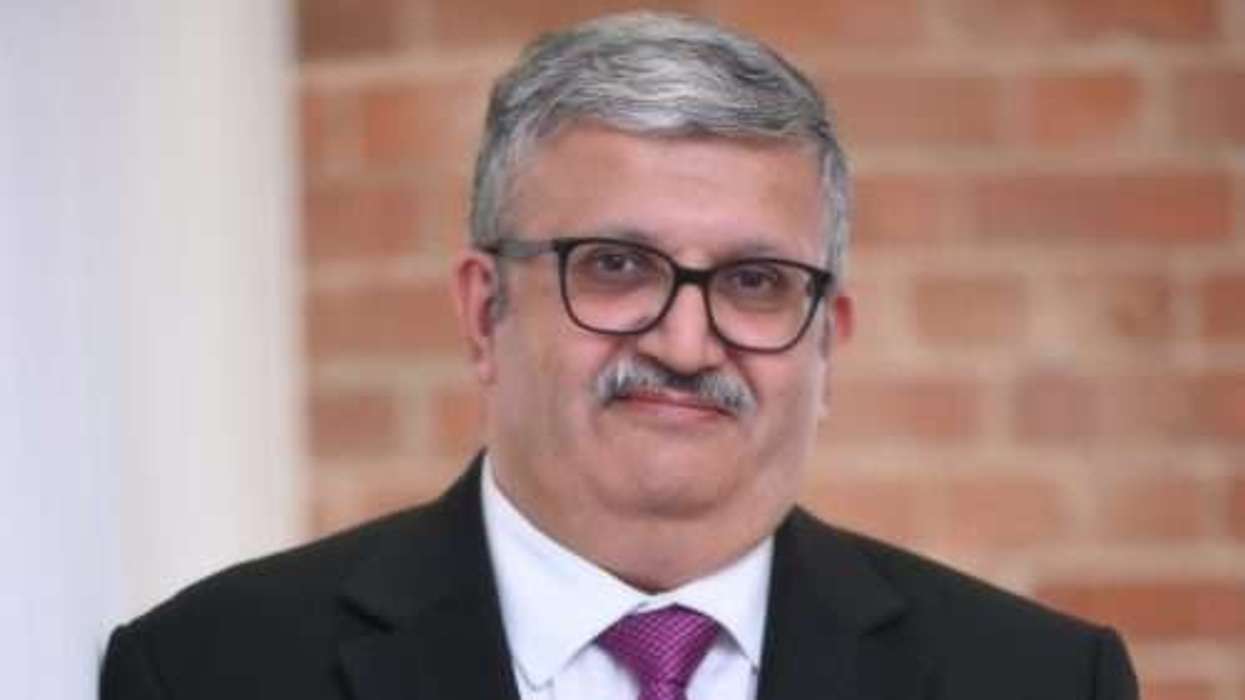 Jabeer ButtRace Equality Foundation
“Our NHS simply could not function without the contribution of its diverse workforce,” Murali added.
He said staff should not have to accept racist abuse as part of their jobs and argued that existing commitments to zero tolerance needed to translate into practical support.
“What matters now is making sure that colleagues genuinely feel supported to speak up when it happens, and that when they do, organisations act,” he added.
Stop Hate UK said the increase should also be viewed against the wider political and social environment, including debate around immigration, media coverage and the growth of online hate speech. It said the cumulative effect of hateful and harmful content could influence attitudes and behaviour both online and offline.
The charity encouraged people who experience racist abuse to report incidents and seek support from employers and specialist agencies.
The Society of Radiographers, which represents more than 30,000 members, has called for NHS trusts to do more than simply record racist incidents. It urged organisations to monitor how complaints are handled and work with trade unions where necessary.
According to the organisation, there are currently no clear guidelines setting out what should happen after an incident of racism is recorded.
Dean Rogers, its executive director of industrial strategy and member relations, described the rise in incidents as “unconscionable and unacceptable”.
“The NHS has a diverse workforce – which is one of its strengths,” he said.
“Discrimination, harassment, racism, bullying or intimidation... is unacceptable and has no place in the NHS.”
He demanded better induction and support for staff who move to Britain or move between regions, as well as training for its representatives to help them respond to racist incidents.
Thomas Simons, chief human resources and organisational development officer at NHS England, told Eastern Eye: “Racist abuse towards NHS staff is completely unacceptable and has no place in our health service.
“Our new national staff standards are clear that NHS organisations must take meaningful action to prevent and respond to racism, support affected staff and ensure there are clear consequences for patients who racially abuse or discriminate against NHS staff – including the option to refuse care in non-emergency situations.”