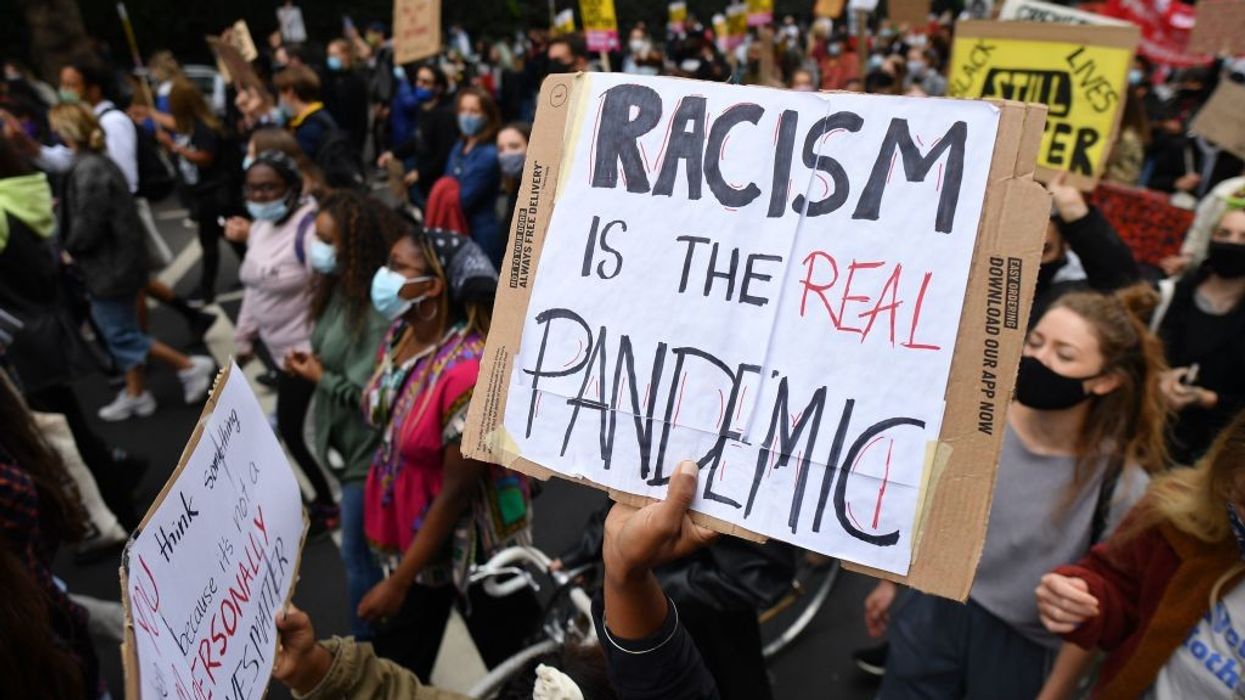

RACISM and sexism in the workplace was regularly witnessed by a London council’s staff, an independent report has revealed.
A race report on conditions at Harrow Council found staff flagged cases of anti-Semitism and sexual harassment on several occasions.
It noted there had been no action in response to these claims, which left some staff feeling helpless.
One participant said: “A colleague reported several instances of anti-Semitism and racism and nothing has been done about it for years.
“It is no good at all to talk about combating racism, then do nothing about it when reported. We are so fed up of this and this is the reason why nothing will change.”
Another said: “I was sexually harassed by a colleague in another department. When I complained I was told this was a cultural issue.”
Others pointed out they did not feel comfortable reporting cases of “casual racism” as it was not worth risking their jobs for.
The report recommended Harrow Council issue a “formal apology” acknowledging staff from Black, Asian and minority ethnic (BAME) backgrounds have been subject to “high levels of bullying; including racist bullying”.
While just over a quarter (26 per cent) of staff surveyed felt the council was institutionally racist, almost all (95 per cent) felt there should be a specific policy in place to protect against racial discrimination in the workplace.
There were also calls for better representation of BAME communities in the council’s workforce, particularly at senior level.
The report noted 44 per cent of people in Harrow have Asian heritage, but they are “significantly under-represented” at the council and none are in the highest pay bracket.
At the other end of the scale, white people are “overrepresented” as they make up 43 per cent of the council’s workforce despite accounting for just 37 per cent of the borough’s population.
The report suggested the council should review its current recruitment strategy, set aspirational targets to ensure people from BAME backgrounds are recruited to senior management positions, and conduct an ethnicity pay gap review to address historical inequalities.
Despite these challenges, some staff quoted in the report acknowledged things had improved at the council in recent years.
One person said the council was more “diverse and welcoming” than other local authorities they had worked at, while another said the “outlook has changed” and it is “on the right track” to addressing race issues.
Equality lead councillor Krishna Suresh said: “Over the past year we have been working on an approach to tackling race equality that is rooted in understanding the needs of our staff in an open and transparent way.
“We have worked with all parts of the organisation to recognise the multiple barriers that have been faced by Black, Asian and multi-ethnic staff.
“This has led to a greater awareness of the key issues as well as collaborating with staff around how we can address some of the challenges they experience in the workplace.”
Harrow Council has been contacted for comment.
(Local Democracy Reporting Service)





 Near MarrakechAmit Roy
 The Todhra Gorge Amit Roy
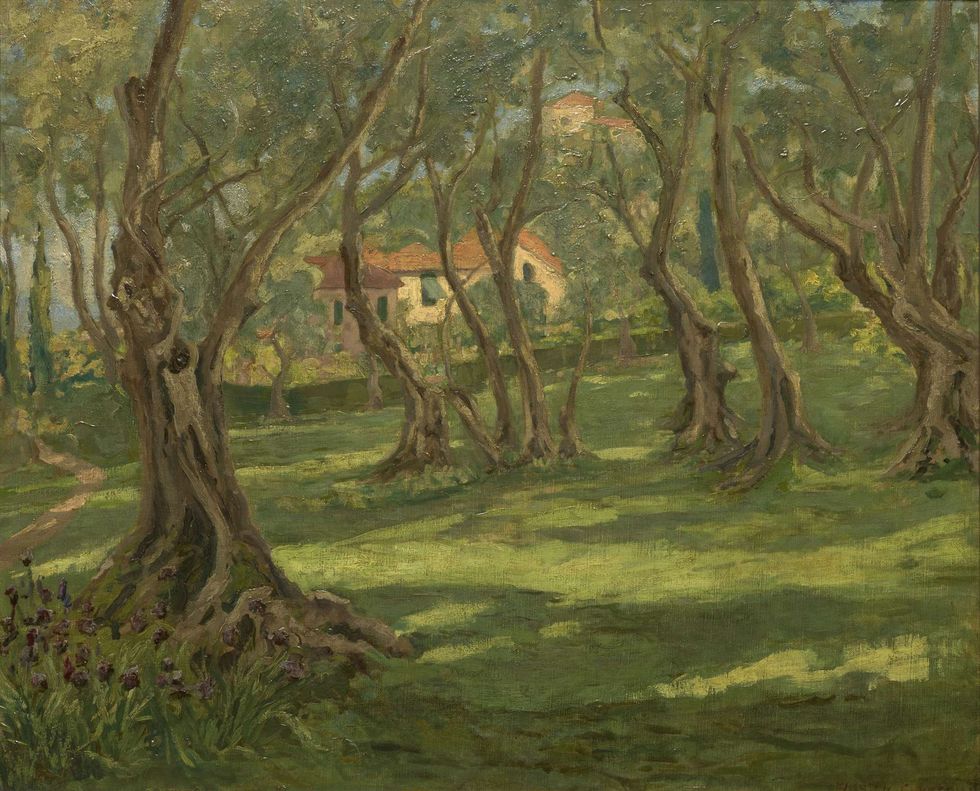 La DragonnièrePrivate Collection © Churchill Heritage Ltd_Photograph by Howard Agriesti
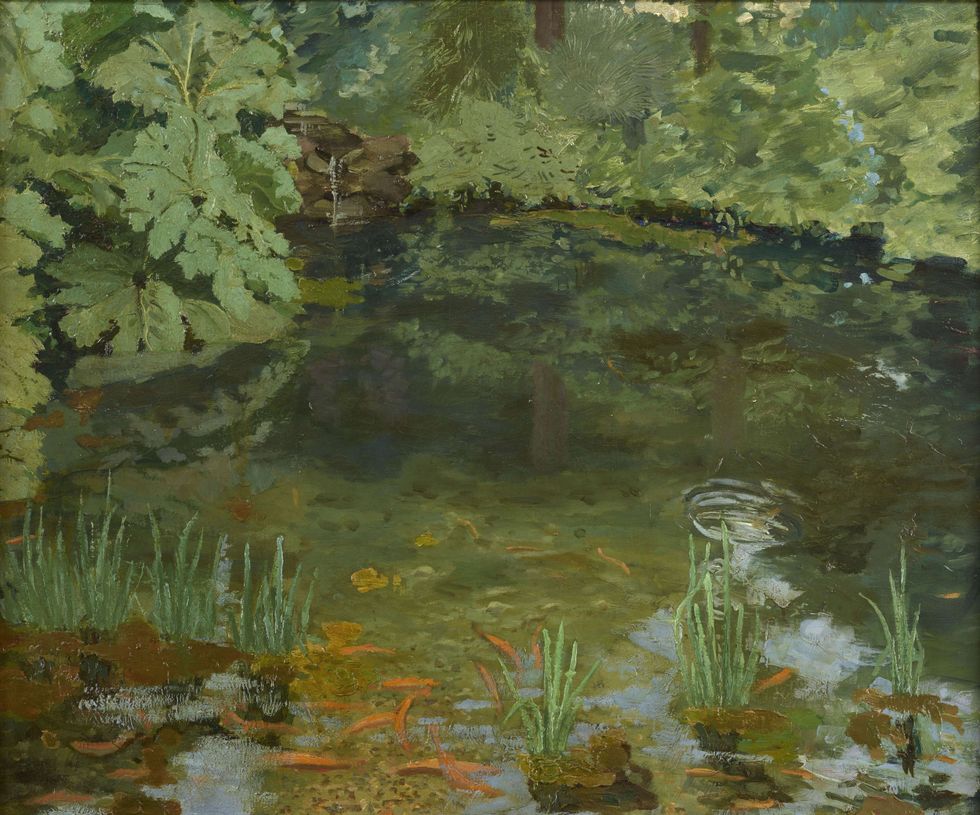 The Goldfish Pool at Chartwell Private Collection © Churchill Heritage Ltd Matthew Hollow Photo
 The Tower of the Koutoubia MosquePrivate Collection © Churchill Heritage Ltd_Image courtesy The Churchill Heritage Ltd
 Cap d’Ail, Alpes-MaritimesRoyal Academy of Arts, London © Churchill Heritage Ltd Photo ©Royal
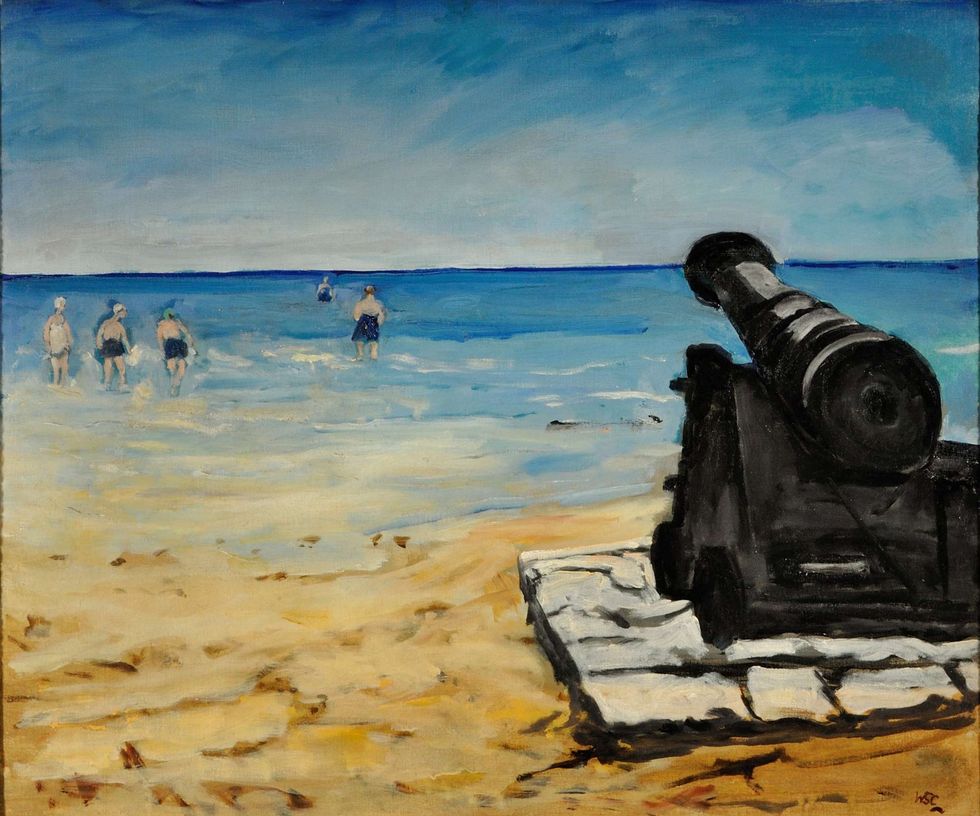 The Beach at Walmer America's National Churchill Museum at Westminster College, Fulton, Missouri © Churchill Heritage Ltd
 Sketch of Lake Carezza, or ‘The Twenty-Minute Sketch'National Trust, Chartwell © Churchill Herita