THOUSANDS of furious protesters marched in Bangladesh on Monday (14) hours after a powerful jailed Islamist opposition leader died of a heart attack aged 83, officials said.
Delwar Hossain Sayedee, vice president of the opposition Jamaat-e-Islami party, died in a prison hospital early Monday evening, just more than a decade since his conviction by a controversial war crimes court triggered the deadliest political violence in the country's history.
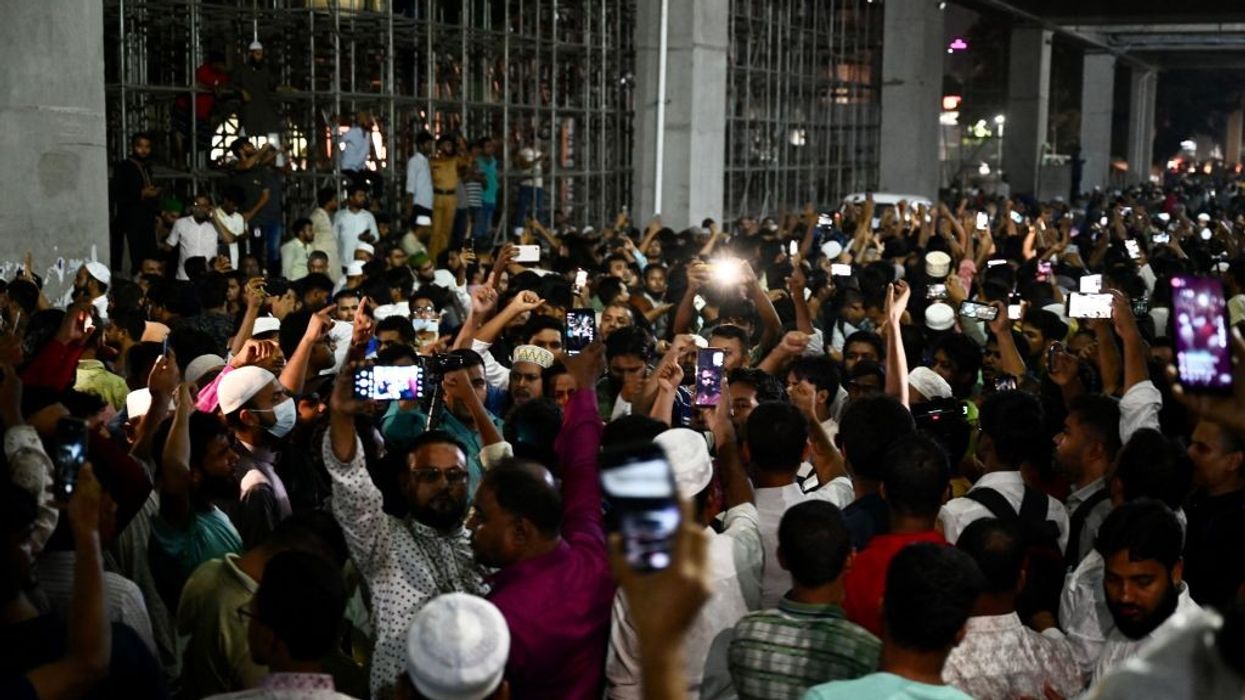
Thousands of mourners and supporters of Sayedee rallied outside the hospital after his death, chanting "Allahu akbar", or "God is greatest", with large numbers of police deployed.
"We won't let the blood of Sayedee go in vain,” supporters shouted, with many blaming the government of prime minister Sheikh Hasina, which is preparing for key general elections slated for January.
Hospital authorities said Sayedee was admitted to the health facility after suffering a heart attack in Kashimpur Prison outside the capital Dhaka on Sunday (13).
"He faced another heart attack today (Monday) at 6.45 pm (12:45 GMT) and died at 8.40 pm," hospital director Brigadier General Rezaur Rahman said, adding he had had five stents inserted into his arteries.
Jamaat-e-Islami announced Sayedee's death on its Facebook page, where it accused the authorities of "slowly turning him into a martyr without treatment in the prison".
Sayedee was sentenced to death in 2013 by a war-crimes tribunal on eight charges of murder, rape and persecution of Hindus, triggering deadly protests by thousands of supporters nationwide, leaving more than 100 people dead.
The party said tens of thousands of its supporters were arrested in a subsequent crackdown, and the party was only this year able to hold public protests again.
In 2014, Bangladesh’s Supreme Court said Sayedee should spend "the rest of his natural life" in jail for crimes during the 1971 liberation war with Pakistan.
Sayedee shot to prominence in the 1980s after he started preaching in some of the Muslim-majority nation's top mosques.
In his heyday he would draw hundreds of thousands to his sessions and CDs of his speeches were top sellers.
Even people who were not supporters of Jamaat attended his preachings.
Jamaat-e-Islami was banned for much of the 1970s for its support of Pakistan during the war, but by the 1990s it had become the country's third largest party and the biggest Islamist outfit.
Political analysts credit Sayedee's preaching for transforming the party into a major force.
(AFP)
Protests after jailed Bangladeshi Islamist leader dies
Jamaat-e-Islami party vice president Delwar Hossain Sayedee suffers fatal heart attack in a prison hospital





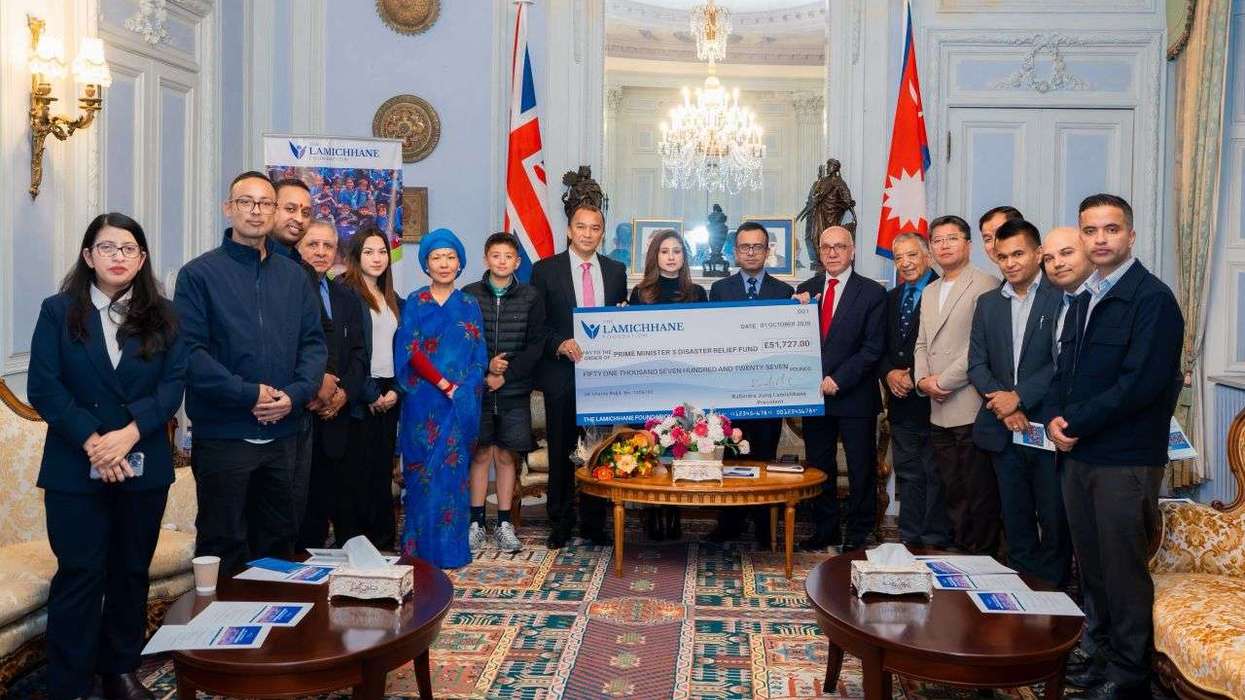
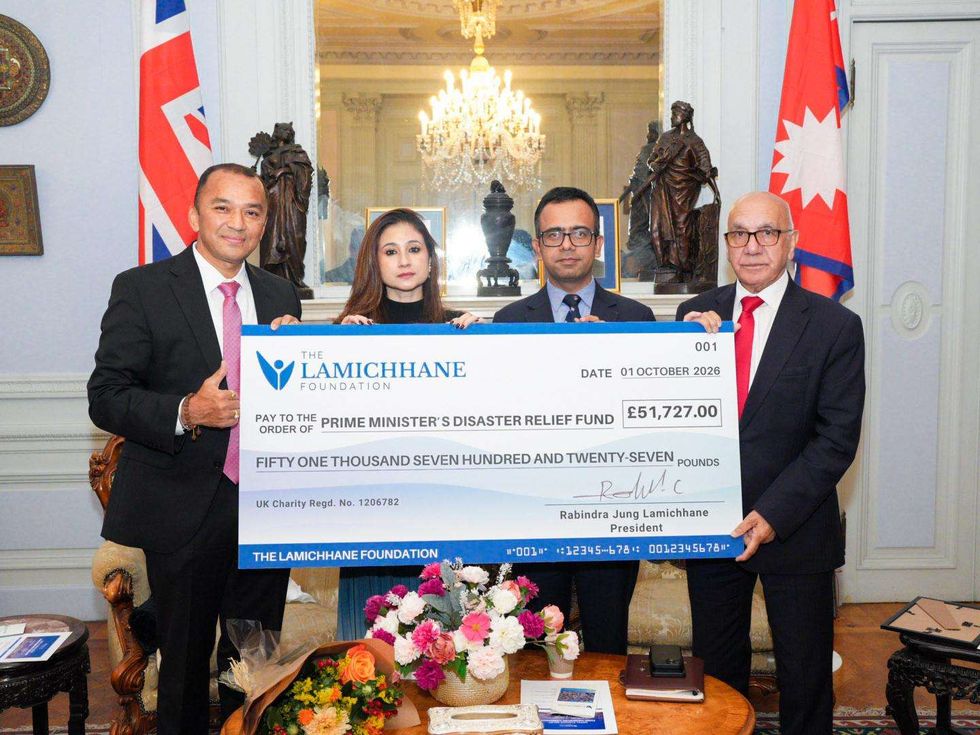 At a special ceremony at the embassy, Lamichhane presented the cheque to Bipin Duwadi, Chargé d'Affaires at the Nepalese EmbassyEastern Eye