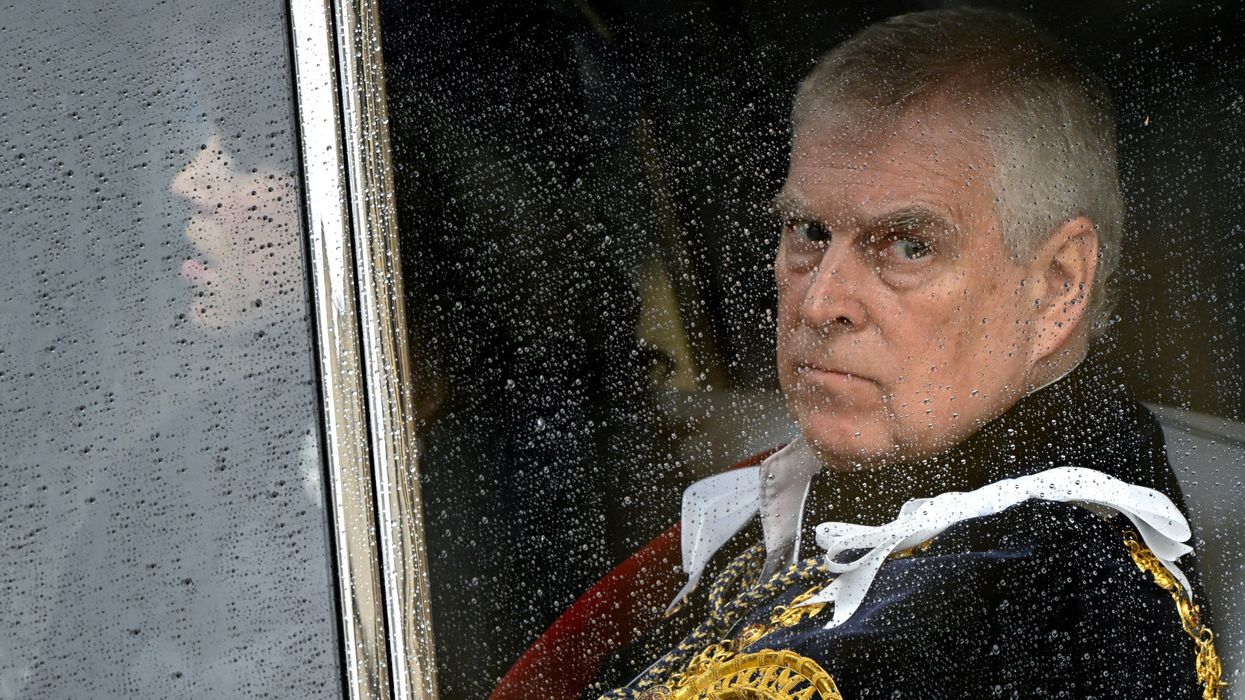

NEW revelations about Prince Andrew's links to a suspected Chinese spy have brought fresh scrutiny on King Charles's brother, raising concerns about his actions as a non-working royal.
Newspapers have reported extensively on the connection between the 64-year-old Duke of York and an unnamed Chinese businessman, identified only as H6, who was recently banned from entering the country by a tribunal ruling.
These reports mark yet another controversy for the prince, whose reputation has already been severely damaged by a US sexual assault case settlement and ties to the late financier Jeffrey Epstein.
Andrew stepped back from royal duties in 2019 following widespread criticism of a television interview in which he denied the assault allegations and defended his friendship with Epstein. Later, Queen Elizabeth stripped him of his honorary military titles and royal patronages.
The latest allegations centre around claims that the prince's aide suggested H6 could assist in dealings with Chinese investors and that H6 was invited to Andrew’s birthday party. Judges in the tribunal noted Andrew's vulnerabilities due to his ongoing troubles, warning of potential exploitation.
Earlier this year, King Charles reportedly cut Andrew’s funding, with media reports suggesting the monarch may want him to move to a smaller home. The Sunday Times has also reported that Andrew may be considering relocating to the Gulf for financial reasons.
In response to the allegations, Andrew said on Friday that he had “followed advice” from the government and ended contact with the individual when concerns were raised. His office stated: “The duke met the individual through official channels, with nothing of a sensitive nature ever discussed.”
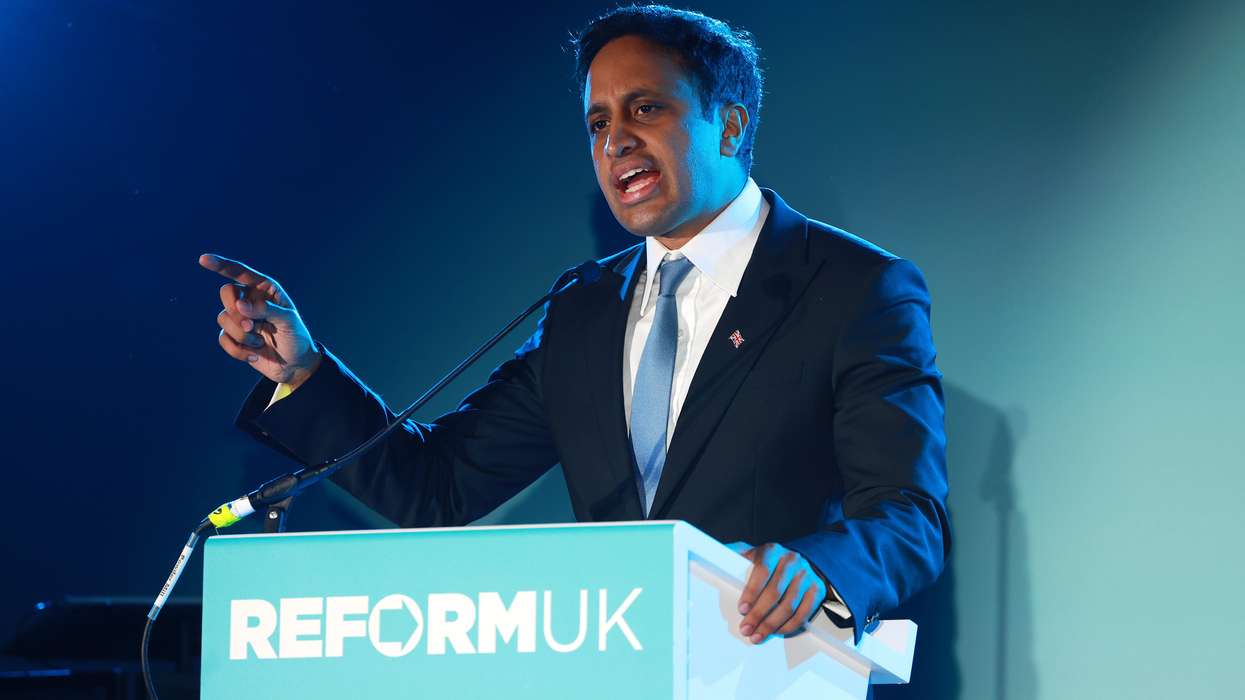
The Sunday Times reported that H6 also had meetings with former prime ministers David Cameron and Theresa May. Lawmakers, including former Conservative leader Iain Duncan Smith, have called for a full investigation into the matter. Nigel Farage suggested the individual’s identity might be revealed in parliament under privilege.
This latest controversy adds to a series of incidents that have tarnished Andrew's reputation over the years, including his ties to Epstein and Ghislaine Maxwell. Despite Andrew’s denials, his public image remains under constant scrutiny.
(With inputs from AFP)