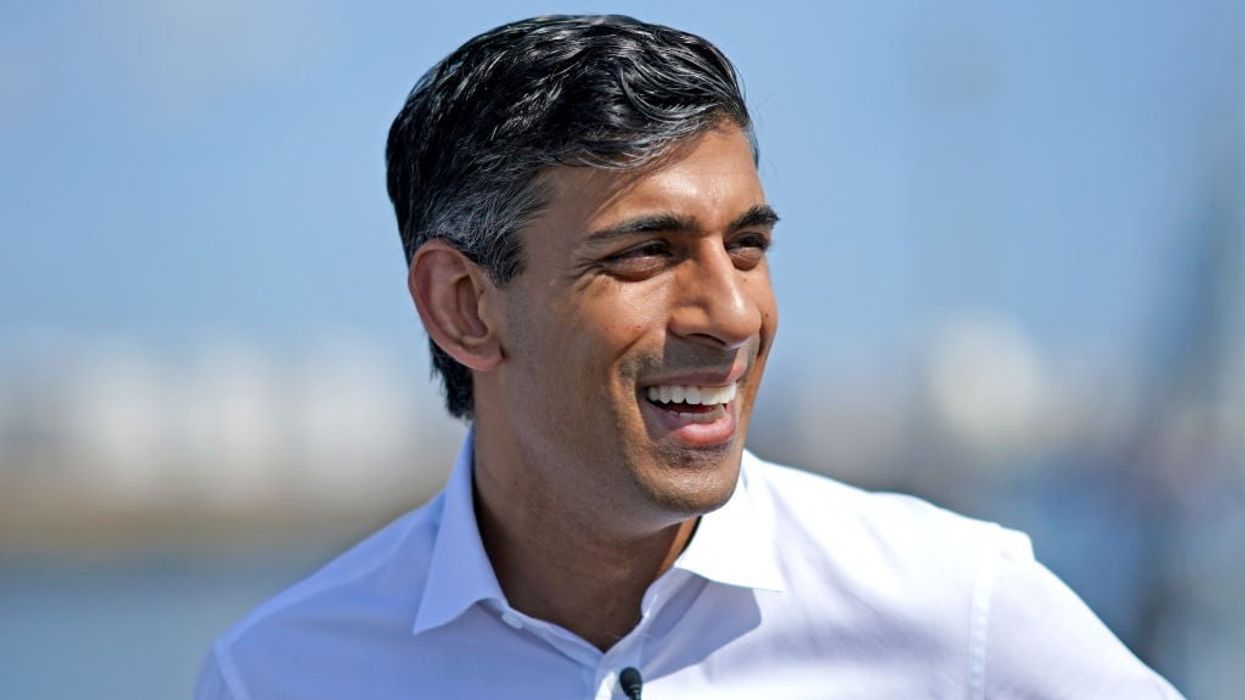

Rishi Sunak, trailing in the race to become Britain's prime minister, pledged on Wednesday to temporarily scrap taxes on energy bills paid by households, part of a "winter plan" to ease the cost-of-living crisis.
The year-long hiatus on paying value-added tax (VAT) on energy bills would save the average household 160 pounds ($193), former finance minister Sunak said.
The pledge marks a change of tack for Sunak, who has repeatedly emphasised the need to restore discipline to Britain's public finances.
"This temporary and targeted tax cut will get people the support they need whilst also – critically – bearing down on price pressures," Sunak said.
Foreign Secretary Liz Truss, the bookmakers' favourite to succeed Prime Minister Boris Johnson, has outlined a wider range of tax cuts that Sunak has branded irresponsible.
Truss has repeatedly warned that Sunak's plans will tip Britain into recession.
Whoever triumphs when the result is announced on Sept. 5 will inherit some of the most difficult conditions in Britain in decades. Inflation is on course to hit 11% annually, growth is stalling, and industrial action is on the rise.
The Resolution Foundation think tank, which focuses on living standards, has previously described the idea of cutting VAT on energy bills as poorly targetted and of "tiny" benefit in comparison to the huge increase in costs.
Deputy finance minister Simon Clarke, who has backed Truss for leader, criticised his former boss Sunak's latest move.
"U-turn if you want to. The lady's not for turning," Clarke said, drawing from Margaret Thatcher's famous 1980 Conservative Party conference speech.
(Reuters)