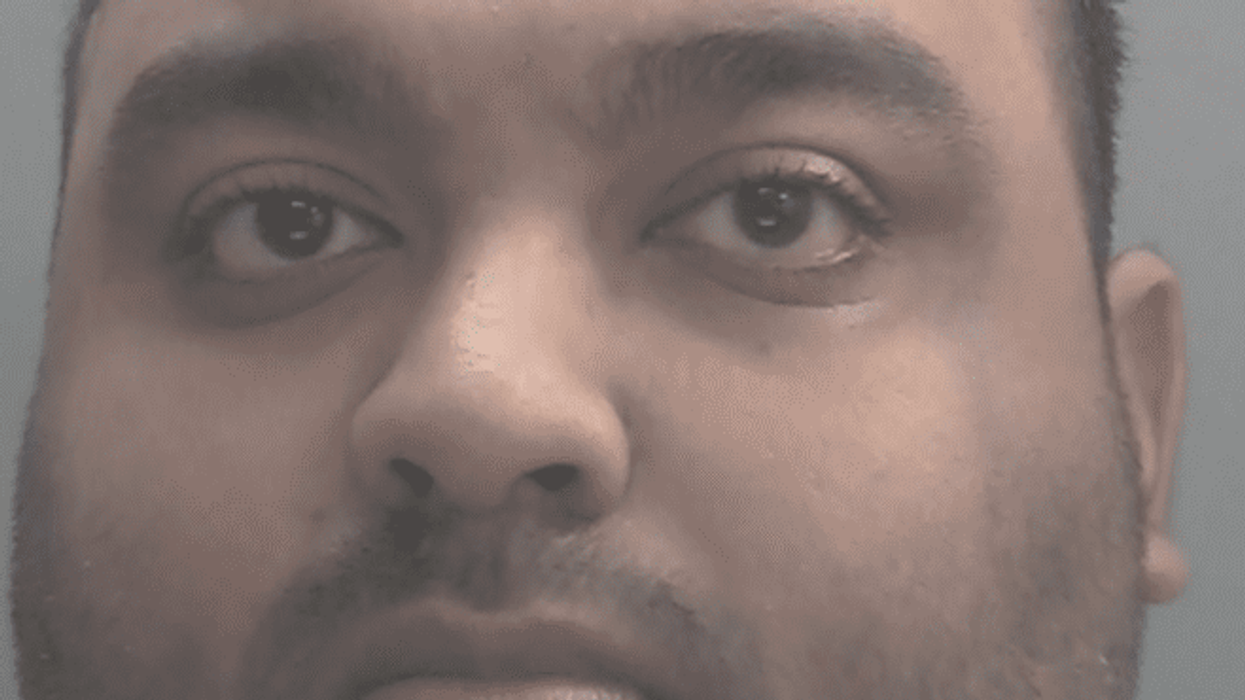
A pharmacy worker who stole diabetes test kits worth more than £330,000 from his workplace has been jailed for 43 months.
Abdul Nargoliya, 30, stole the products during his stint as an assistant for a pharmacy in Leicester.
It was discovered that more than 22,000 test kits had been ordered since January 2017 but only 370 of them had been sold at the store during the time.
An internal investigation launched in July 2018 found that orders for the products had been placed by telephone to the pharmacy’s stock provider. CCTV footage showed Nargoliya handled the orders.
It was noticed that he would move the deliveries into a private consultation room during his shifts and later leave the store with full carrier bags.
The discovery led to Nargoliya’s arrest and examination of his personal phone showed hundreds of calls to the stock ordering hotline. He also negotiated the sale of pharmacy products with various people, Leicester Crown Court heard.
Nargoliya pleaded guilty to theft and concealment, transfer and conversion of criminal property. He was sentenced on Friday (26).
Police Sergeant Mike Archer said Nargoliya abused his position for his own gain and it was a “premeditated and planned theft for a substantial sum of money.”
The crimes had a significant impact on his colleagues and his workplace who had trusted in him, the sergeant said.
Pharmacy worker who stole medical kits worth more than £330,000 jailed
Investigation showed Abdul Nargoliya would move deliveries into a private consultation room and later leave the store with full carrier bags