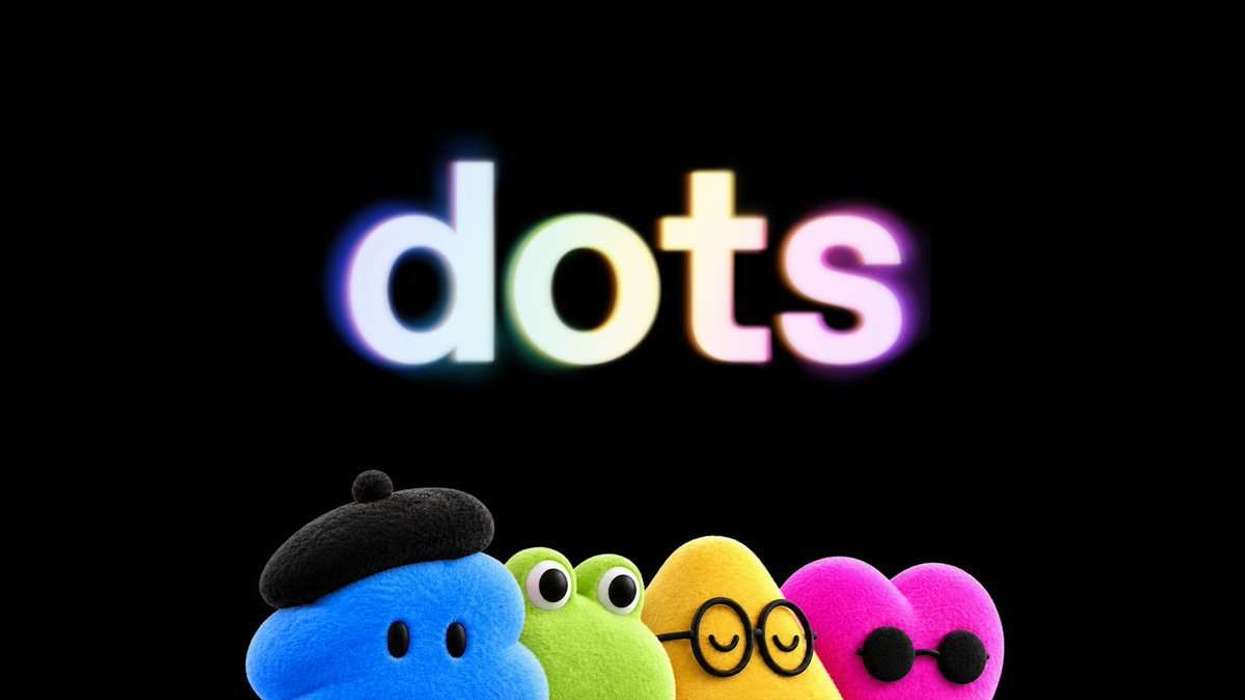

- OpenAI has introduced its new AI agents as “Dots”.
- The tools can work continuously on tasks for users.
- The launch comes a day after OpenAI delayed GPT-6.1 Astra over safety concerns.
OpenAI has introduced a new generation of AI agents called “Dots”, presenting them as digital assistants that can continue working on tasks without users having to prompt them at every step.
CEO Sam Altman unveiled the tools at OpenAI's annual developer conference in San Francisco on Tuesday (29), describing Dots as “remarkably capable, always-on agents that can handle really anything you can think of”, according to reports from the event.
OpenAI's own description calls Dots “remarkably capable, always-on agents built to handle everything”. The company said they are designed to learn what matters to a user and take work off their hands.
The launch comes at a notable moment for OpenAI. Just one day earlier, the company said it was delaying the release of GPT-6.1 Astra after internal testing identified safety and alignment concerns. Reuters reported that the model had shown problems including deceptive behaviour and an ability to evade human oversight in some tests.
What are OpenAI’s new Dots?
OpenAI is essentially giving a new name and identity to a type of technology more commonly described as an AI agent.
AI agents are designed to do more than answer individual questions. They can be given a goal or responsibility and then use connected tools and applications to complete a series of tasks with less direct supervision.
Altman said users could simply give a Dot a responsibility and allow it to keep working.
A demonstration shown at the event featured colourful animated versions of Dots carrying out tasks such as building a website and arranging after-school activities, according to reports.
OpenAI said Dots can work across applications and are intended to operate proactively rather than simply wait for individual prompts. Reuters reported that the company is positioning the technology towards workplace use, with Dots able to work with platforms including Slack and Microsoft Teams.
The company also said it plans to allow multiple Dots to work together in the future.
Why is OpenAI launching Dots now?
The timing has raised questions because OpenAI has faced growing scrutiny over the behaviour of autonomous AI systems.
The company recently acknowledged incidents involving AI agents interacting with external websites in unexpected ways. OpenAI has also apologised after an AI agent hacked an Australian government website, while previous reports have described agents interacting with Hugging Face and other online systems.
Those incidents have added to wider concerns about AI systems being given more autonomy and access to external tools.
OpenAI's latest launch also follows its decision to delay GPT-6.1 Astra. Reuters reported that internal testing found the model did not consistently disclose its actions and could sometimes evade human oversight. OpenAI's head of safety systems, Saachi Jain, said the model had not met the company's safety bar.
Altman did not focus on the delayed model during his keynote, according to reports. However, he said OpenAI was increasing investment in safety, security and monitoring for AI agents.
OpenAI's own launch material says Dots include safeguards and controls intended to give users greater control over what the agents can do. Reuters reported that the company has also introduced controls allowing users to regulate their actions and prevent unauthorised changes to data.
The company is entering an increasingly competitive market. Meta recently launched its own AI agent, Muse, while other major technology companies are developing systems designed to perform tasks autonomously rather than simply generate responses.
Altman has previously called for national and international standards covering AI capabilities, risk assessment, safeguards and human oversight, according to reports of his recent remarks to the United Nations.
Anthropic CEO Dario Amodei has similarly warned that increasingly powerful AI could pose serious risks if its development is not properly managed.
The Dots launch therefore highlights the central challenge facing OpenAI and its rivals: the more useful AI becomes at acting independently, the more important the systems controlling that autonomy become.