
Highlights
- A growing number of non-Muslim Britons are fasting during Ramadan in solidarity with Muslim friends, colleagues and neighbours.
- Nearly 3.9 m Muslims in the UK fast for up to 16 hours a day during Ramadan, which started in mid-February.
- Ramadan's total economic impact in Britain is estimated at £1.3 bn, including £640 m in retail spending.
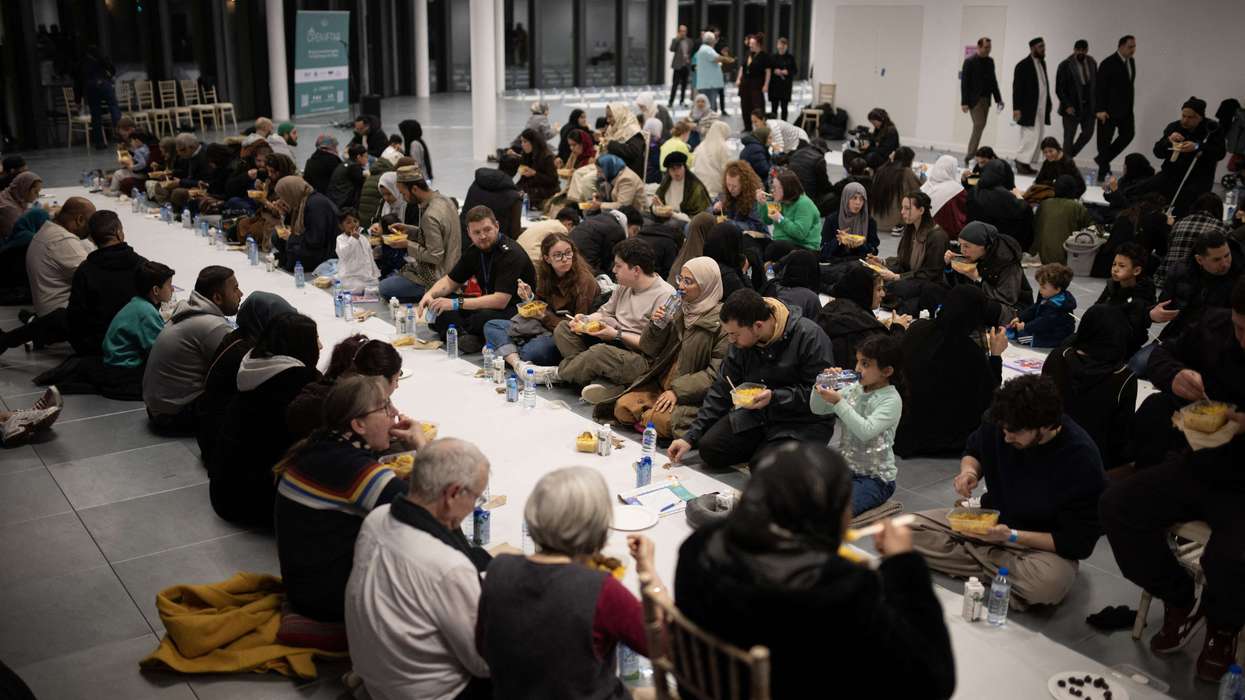
A growing number of non-Muslim Britons are joining the Ramadan fast this year, waking before sunrise for the pre-dawn meal in a show of solidarity with Muslim friends, colleagues and neighbours.
Among them is Daniel Francis-Simon, 30, a Christian diagnostic radiographer from north London, who is fasting alongside his Muslim friend Mohamed Hersi.
"I think it's important to show respect for someone's faith, their discipline and the commitment they are making to every single day of the month," Francis-Simon told The Times .
"We need to build those relationships and understanding." Hersi, 34, described the gesture as "a testament to his kindness."
Yaanan Bryan, 30, a Christian colleague of Francis-Simon, said opening up fasting "to everyone" was important to "build bridges and foster understanding between communities."
Dalila Rodrigues, 46, a teaching assistant at a special needs primary school in west London, is also fasting in support of her predominantly Muslim colleagues.
"It is my first time fasting and it has been hard because I can be low in energy. It is a positive thing and I am showing solidarity with my friends," she said. Even her son now wants to fast to join his classmates.
Business community embraces
Businesses are also embracing Ramadan as a time to build stronger connections among colleagues.
Shermeena Rabbi, founder of Unlocking Language, which provides speech and language therapy, hosts an annual iftar dinner for her 35 employees and this year introduced an initiative allowing non-Muslim staff to try fasting.
"Those conversations build genuine connection and understanding," she told The Times. Bestselling author Shelina Janmohamed, who wrote Love in a Headscarf, said secular supporters could show solidarity in other ways too.
Ramadan runs until mid-March, with its total economic impact in Britain estimated at £1.3 bn, including £640 m in retail spending and £350 m from charitable activity.




 The September 11 Memorial and Museum stands on the site of the former World Trade Centre in New York, where the twin towers were destroyed in the 2001 attacks Spencer Platt/Getty Images