Skip to content
Search

Latest Stories

Submit Guest Post

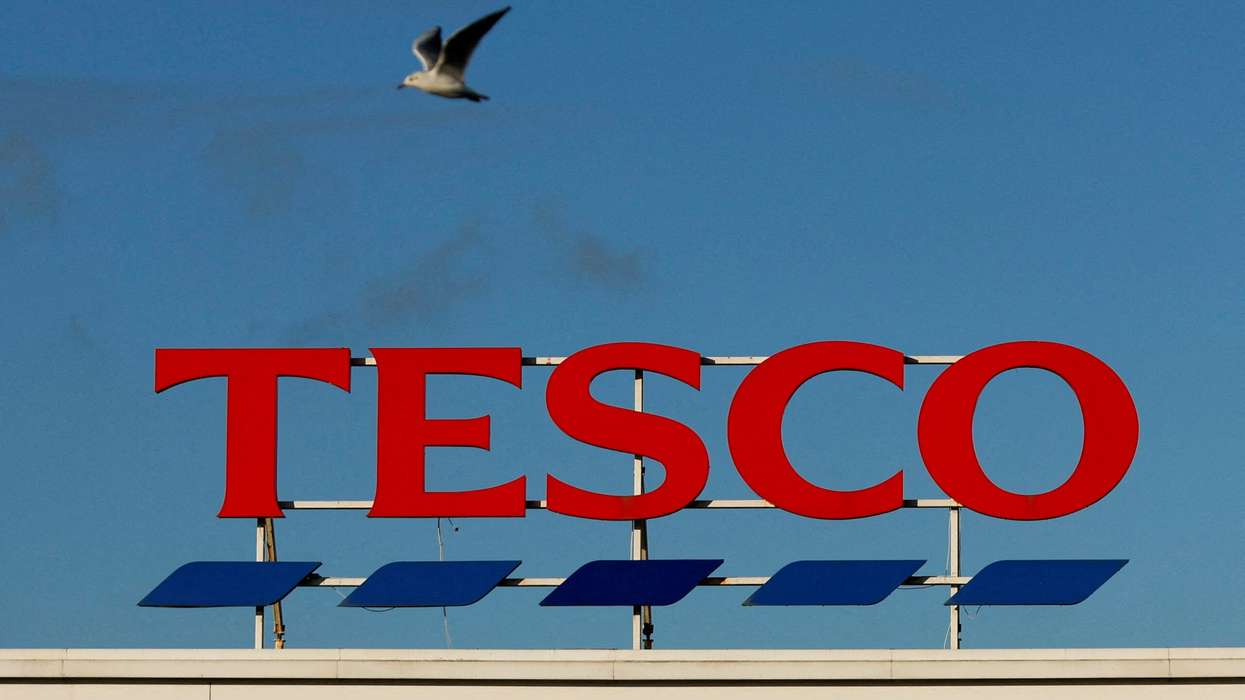
Next raises profit forecast to £1.2 billion despite £15 million Middle East costs

Next balances rising Middle East costs with stronger-than-expected sales and operational efficiency

Next profit forecast

Next warned of uncertain supply chains, costs, and consumer demand.

Next

Highlights

  • Middle East conflict expected to add £15m to Next’s operating and supply chain costs.
  • Next raises annual profit guidance to £1.2bn for the year ending January 2027.
  • Use of AI technology helps Next cut operational costs and improve efficiency across stores and warehouses.
UK retailer Next has said the ongoing Middle East conflict will add £15 m to its costs, assuming the conflict lasts three months.
The company warned that prices may need to rise if the situation continues beyond that timeframe. Despite this, Next is currently offsetting higher fuel and air freight costs with savings elsewhere and does not expect an impact on annual profits.

The retailer has revised its profit guidance upwards by £8m to £1.2bn for the year to January 2027, following stronger-than-expected sales in January.

Next also reported pre-tax profits of £1.16bn, up 14.5 per cent from the previous year, with overall sales increasing by almost 11 per cent to £7bn.


Sales growth was supported by overseas markets, third-party websites such as Zalando, and newly acquired brands including Cath Kidston, alongside strong UK store and online performance.

Operational strategies

Next acknowledged uncertainty over the medium-term effects of the Middle East conflict, including supply chain resilience, freight rates, factory prices, and consumer demand.

To manage risks, the company increased stock levels by 6 per cent and focused on warehouse development.

The retailer is also expanding the use of AI technology in operations. AI is helping with sales forecasting, optimising discounts, and ensuring the right range of sizes both in-store and online.

Next emphasised that AI will improve staff efficiency rather than replace jobs, mainly affecting routine processing roles, while other employees will need to adapt to changing workflows.

The company told The Guardian “If we are reflective of the wider economy, then those in jobs need not worry too much; the challenge will be for those looking to join the workforce.”

Next’s strategy demonstrates a balance between managing global cost pressures and maintaining profitability amid geopolitical uncertainty.

Add EasternEye As Your Trusted Source
preferred source on google news

More For You

Air-con grant scheme

Britain's £2,500 air-conditioning grant scheme has yet to fund a single installation despite growing demand during the summer heatwaves

iStock

Zero installations under Britain's £2,500 air-con grant despite record heat

  • No air-conditioning units have been installed under the Government's £2,500 grant scheme since it was announced.
  • Industry leaders say delays in installer certification have left homeowners unable to access the funding.
  • The setback comes as Britain experiences repeated heatwaves and growing demand for home cooling.

Britain's £2,500 air-conditioning grant scheme has yet to install a single unit, even as repeated heatwaves push more households to look for ways to keep their homes cool.

The air-con grant scheme, introduced under the Boiler Upgrade Scheme, was designed to help homeowners install air-to-air heat pumps that provide both heating and cooling. However, seven months after the policy was announced and several months after applications opened, no vouchers have been issued and no installations have taken place.

Keep ReadingShow less