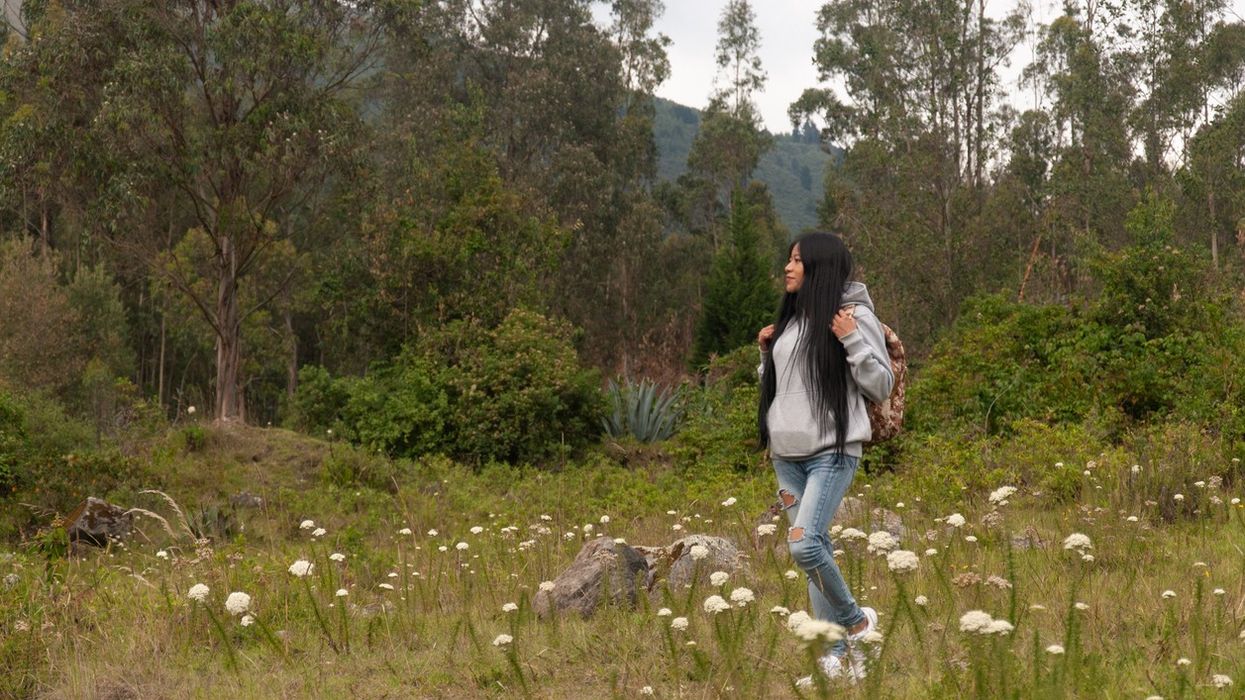

NATURE has always been my sanctuary. A sense of calm washes over me the moment I step out in the open air. The rustling leaves, chirping birds and soft scent of earth act as a soothing balm for my soul. This profound connection with nature isn’t unique to me.
Many of my guests on the Healing Place podcast have shared similar experiences. During life’s inevitable storms, they found solace and strength in the natural world. This isn’t just anecdotal - a growing body of research now confirms the positive impact of nature on our well-being. Doctors are even prescribing ‘nature therapy’ to patients experiencing stress, anxiety or depression.
The good news? Reconnecting with nature doesn’t require elaborate expeditions. Here are some ways to embrace the power of the outdoors:
Walk the talk: Instead of your usual face-to-face chat with your partner or friend, try walking side by side. This subtle shift can make discussing challenging topics feel easier. Aim for a 20-minute walk and include a gratitude practice like noticing the beauty around you – vibrant flowers and clear sky - anything that sparks a sense of appreciation.
Befriend a tree: Find a tree you are drawn to and spend quality time getting to know it. Observe its majesty for five minutes. Touch its bark, feel its leaves – what stories does it hold? Find a safe spot to relax and soak in the view. Trees are amazing and offer a non-judgmental space for quiet reflection or even sharing a secret or dream.
Barefoot grounding: Outdoors, in a garden or on a park lawn, remove your shoes and stand barefoot on the ground. Focus on your breath, feel your connection to the earth and let any tension melt away. This practice is scientifically proven to boost immunity and improve sleep.
Expand empathy: Nature walks offer a unique opportunity to cultivate empathy, an essential skill in today’s complex world. Look for examples of struggle and strength in nature such as a fallen branch sprouting new growth or a bird rebuilding its nest. Observe the incredible diversity of life forms, each existing in harmony.
Notice how bees and plants help each other out in a win-win partnership. By tuning into these natural happenings, we expand our capacity for empathy beyond just fellow humans and embrace the interconnectedness of all living things.
Nature journaling: Keeping a nature journal allows you to record your observations, feelings and experiences in the natural world. It can be as simple as sketching a beautiful flower, writing the sounds you hear, or jotting down your reflections after a mindful walk.
Remember, reconnecting with nature doesn’t have to be a grand gesture. Even small steps, like a mindful walk or spending time with a tree, can massively enhance your well-being. So, take a deep breath, step outside, and allow nature to work its magic.
Instagram: @healingplacepod & X: @MitaMistry






 Harpreet with KondalsYourLavaan
 A couple who met from YourLavaanYourLavaan