

Highlights
- Iranian-French artist, author and filmmaker Marjane Satrapi has died aged 56
- She gained worldwide recognition through her graphic memoir Persepolis
- The acclaimed work chronicled her childhood during and after Iran's Islamic Revolution
- French president Emmanuel Macron paid tribute to her as a leading cultural figure
From Tehran to international acclaim
Marjane Satrapi, the Iranian-French artist and filmmaker whose graphic memoir Persepolis introduced millions of readers to life in revolutionary Iran, has died at the age of 56.
The news was confirmed on Thursday by the French presidency, which described her as a major figure in French culture and an artist whose work carried a universal message.
Born in Tehran in 1969, Satrapi spent her childhood in Iran before being sent to Vienna as a teenager. She later returned to Iran to study fine arts before settling in France, where she continued her artistic education and built an international career.
Persepolis gave a personal face to modern Iran
Satrapi's breakthrough came with Persepolis, the autobiographical graphic novel that recounted her experiences growing up during and after Iran's 1979 Islamic Revolution.
The black-and-white memoir became an international success, offering readers an intimate perspective on a country often viewed through political headlines. The work was later adapted into an animated film, which won the Jury Prize at the Cannes Film Festival and received an Academy Award nomination.
She went on to direct films including Chicken with Plums, The Voices and Radioactive, while establishing herself as one of the most influential graphic novelists of her generation. Her work blended political commentary, humour and personal storytelling, earning acclaim across literature and cinema.
An outspoken voice beyond the page
Beyond her creative achievements, Satrapi became a prominent advocate for women's rights, freedom of expression and democratic values. She frequently criticised repression in Iran and used her public platform to speak about exile, identity and authoritarianism.
In 2024, she designed a nine-metre tapestry for the Paris Olympics. The following year, she declined France's Legion of Honour, citing what she described as France's "hypocritical attitude" towards Iran and its treatment of Iranian dissidents seeking visas.
A statement released by her family said she died a little more than a year after the death of her husband, Swedish actor, producer and screenwriter Mattias Ripa. No further details about the cause of death were provided.
Satrapi leaves behind a body of work that transformed personal experience into stories with global resonance, helping readers around the world better understand Iran, exile and the enduring struggle for freedom.






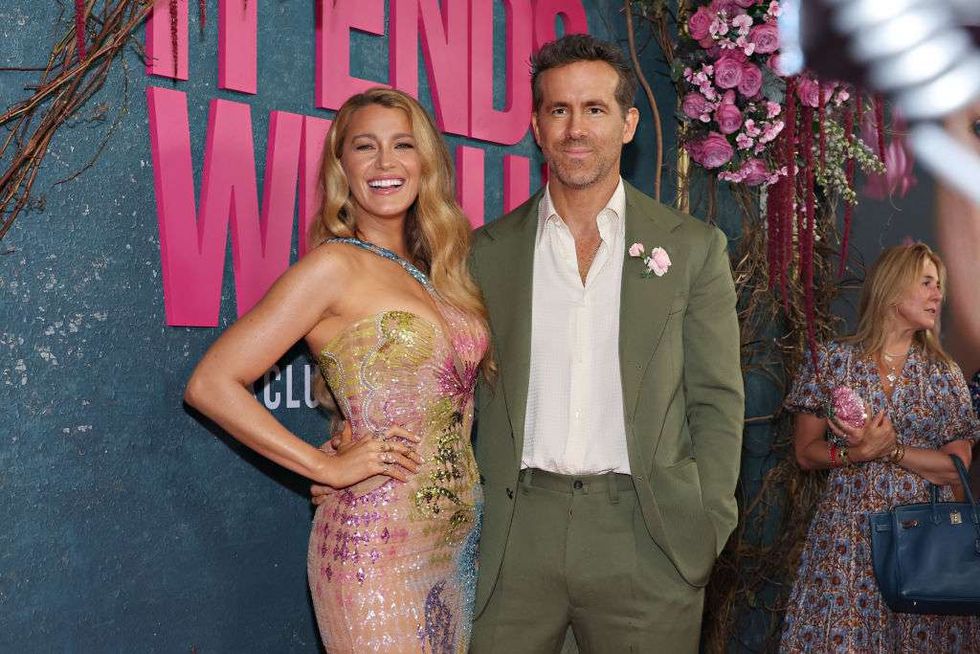 L-R) Blake Lively and Ryan Reynolds attend the "It Ends With Us" New York Premiere at AMC Lincoln Square Theater on August 06, 2024 in New York City. Photo by Cindy Ord/Getty Images
 Tom Holland and Zendaya attend the "Spider-Man: Brand New Day" UK Premiere at the Odeon Luxe Leicester Square on July 29, 2026 in London, England. Photo by Eamonn M. McCormack/Getty Images
 CANADA-ENTERTAINMENT-FILM-FESTIVAL-TIFFUS actress America Ferrera arrives for the special presentation of "The Lost Bus" at the Toronto International Film Festival (TIFF) in Toronto, Ontario, Canada on September 5, 2025. (Photo by Cole BURSTON / AFP) Photo by COLE BURSTON/AFP via Getty Images
 Renée Zellweger attends the 2025 Gotham Television Awards at Cipriani Wall Street on June 02, 2025 in New York City. Photo by Dia Dipasupil/Getty Images
 Hugh Jackman attends the photocall for "The Death Of Robin Hood" at the Soho Hotel on September 02, 2026 in London, England.Photo by Eamonn M. McCormack/Getty Images
 Lena Dunham attends "Storytellers: Lena Dunham with Michelle Buteau" during the 2025 Tribeca Festival at Spring Studios on June 14, 2025 in New York City. Photo by Jason Mendez/Getty Images for Tribeca Festival
 Darius Rucker performs on the main stage during CMA Fest 2025 at Nissan Stadium on June 05, 2025 in Nashville, Tennessee. Photo by Jason Kempin/Getty Images
 US actor Josh Hartnett poses for a photocall upon arrival to attend the Jacquemus Menswear ready-to-wear Fall-Winter 2026/2027 collection as part of the Men Paris Fashion Week in Paris on January 25, 2026. Photo by Blanca CRUZ / AFP via Getty Images
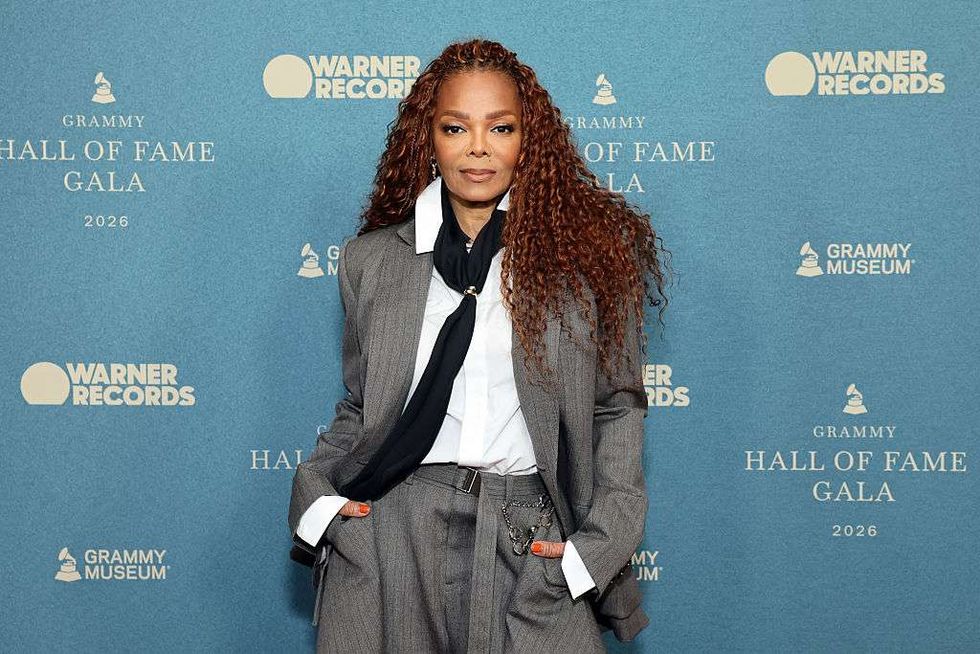 Janet Jackson attends the GRAMMY Hall of Fame Gala 2026 at The Beverly Hilton on May 08, 2026 in Beverly Hills, California. Photo by Emma McIntyre/Getty Images for The Recording Academy