A British parliamentarian was accused of racism on Tuesday (1) after branding Irish prime minister Leo Varadkar a "typical Indian".
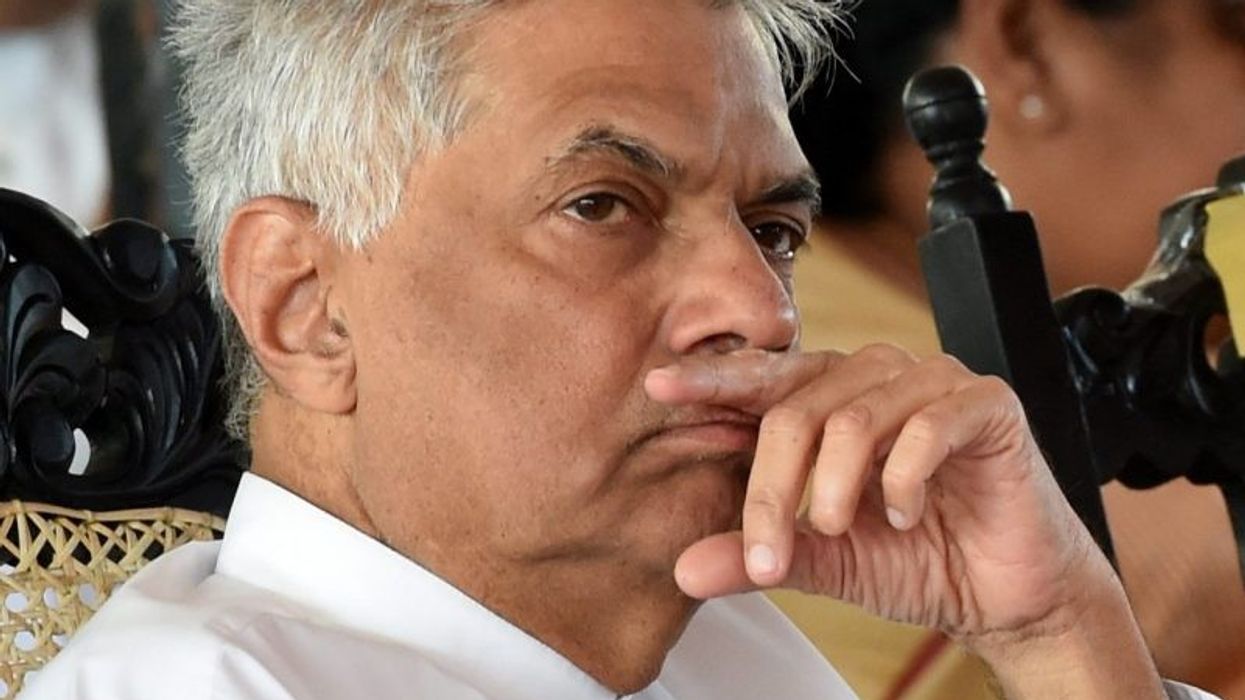
John Taylor, 80, known as Lord Kilclooney, was reacting to a news report about criticism of Varadkar's visit to Northern Ireland on Monday.
In the article, a member of parliament had accused Varadkar of "poor manners" and showing disrespect by not informing a local representative about his trip on Monday.
Kilclooney, a member of the British parliament's appointed upper House of Lords since 2001, said Varadkar, who has an Indian father and an Irish mother, was a "typical Indian".
Kilclooney had 10 years as a member of the European Parliament from 1979 and 18 years as a member of the British parliament's elected lower House of Commons from 1983 before joining the Lords.
Kilclooney used to represent Northern Ireland's Ulster Unionist Party. UUP leader Mike Nesbitt said his remark was a "racist comment".
Kilclooney later tweeted: "I am certainly no racist and in particular have an admiration for Indians."
He defended his comment by saying: "Typical Indian was meant to be a comparison with an Irishman who would have a better understanding of Unionist opinion in Northern Ireland.
"You still do not understand the difference between being Irish by nationality as Varadkar is and being half Indian by race as Varadkar has confirmed he is. Nothing racist about it -- simply factual."
In November, he referred to Varadkar as "the Indian", claiming it was "shorthand for an Indian surname which I could not spell".