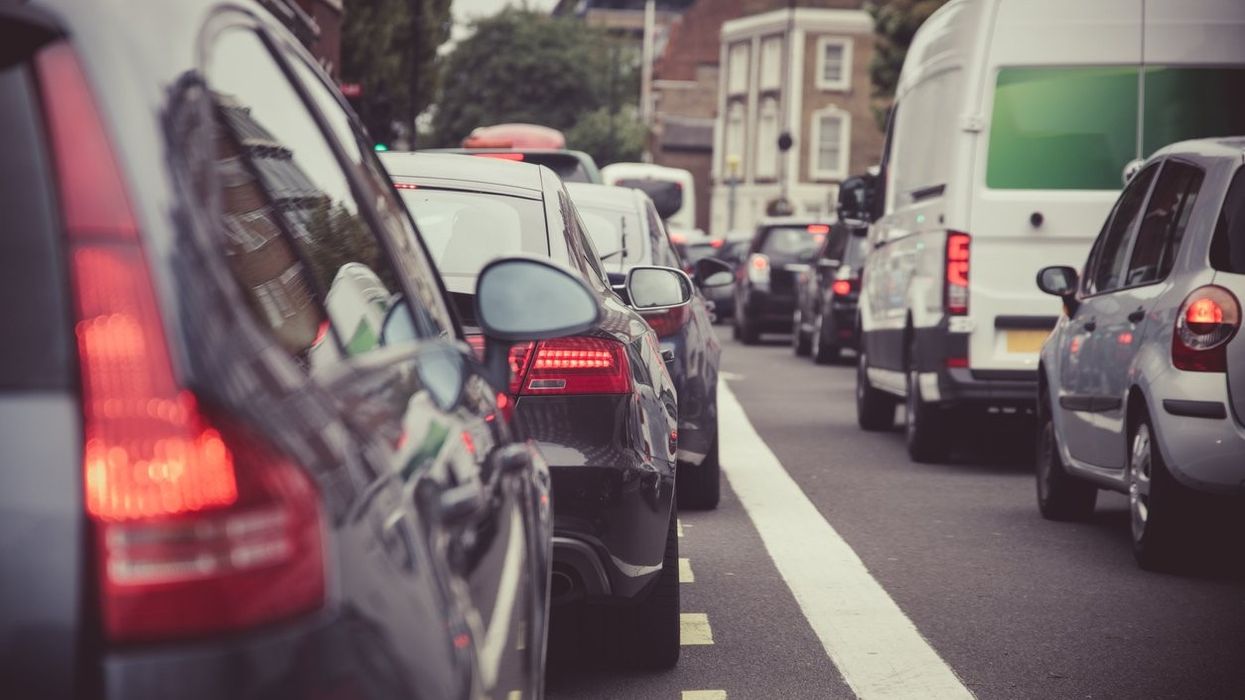

LONDON has been ranked the most congested in Europe for the third year in a row, according to report by traffic information supplier Inrix.
The report stated that drivers in the city spent an average of 99 hours sitting in traffic in 2023, up from 97 hours in 2022.
This is the highest in Europe, and only behind New York and Mexico City worldwide.
The length of time lost to jams in London last year was 3 per cent above pre-coronavirus levels. The average speed in central London had fallen 10 per cent in a year to 10mph.
London was ranked as the world’s second most congested city in 2022.
Tranposrtation analyst Bob Pishue, who wrote the report, said, “While London remains most impacted by congestion in the UK, its drop to third suggests that other large global cities have returned to pre-Covid levels of activity."
He said increased congestion is an indication of a return to economic activity.
The report stated that a typical driver in the UK lost 61 hours due to traffic jams last year, up from 57 hours in the previous 12 months.
The 61 hours equates to a financial impact of £558, the report added.
After London, the UK’s most congested urban areas were Birmingham, Bristol, Leeds and Wigan.
Inrix analysed data from 950 cities in 37 countries.