
THIS Mental Health Awareness Week (May 11-17, 2026), Lepra reveals how its Mind to Heart project is helping people recover from the emotional impact of leprosy.
Healthcare inequality, access to information and education, and socioeconomic disparities inevitably mean that the world’s most vulnerable communities face the greatest impact of poor mental health.
People affected by neglected tropical diseases such as leprosy face some of the greatest challenges in maintaining their mental health, directly impacting their physical recovery. As many as one in two people diagnosed with leprosy experience depression and/or anxiety.
Recognising the importance of positive mental health for people affected by leprosy, Lepra established the Mind to Heart project in Bangladesh in April 2023. Funded by the Sasakawa Health Foundation, the project is run in partnership with the Bogura Federation of People Affected by Leprosy and aims to lower levels of anxiety and depression while raising awareness of mental health issues. Improving access to community and specialist mental health services is also key, along with widening the capabilities of the federation to serve as a centre of holistic care.
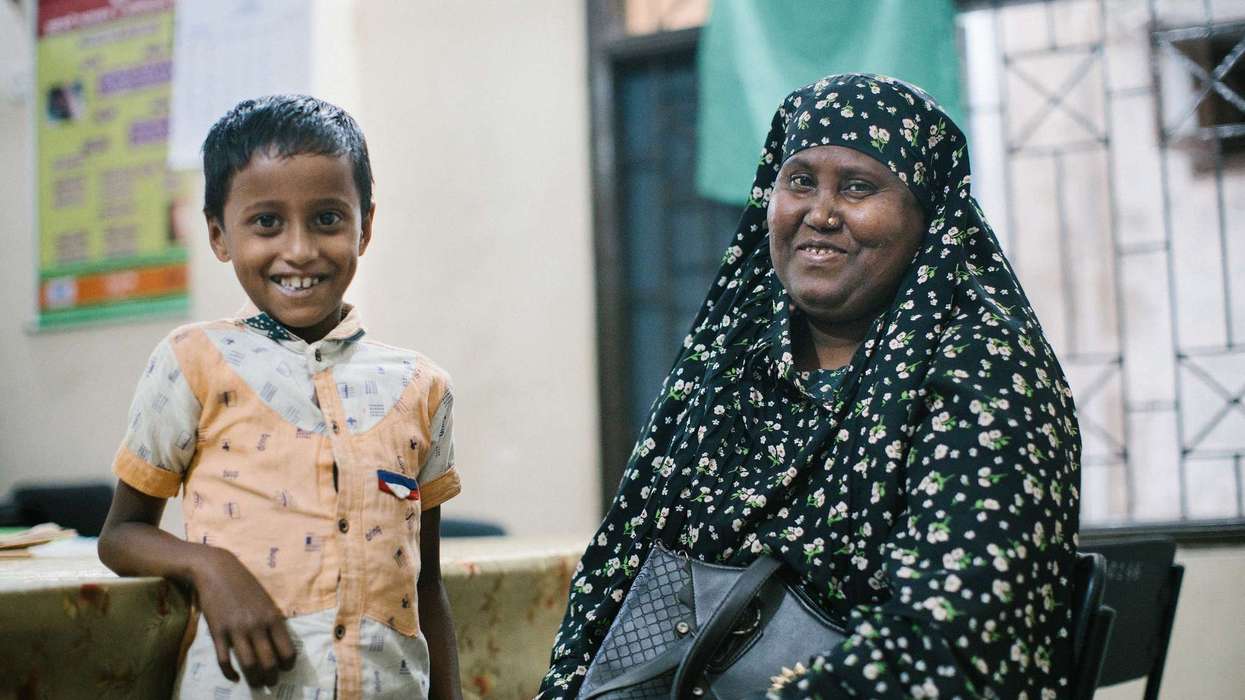
Since its inception, Mind to Heart has supported hundreds of people with their emotional recovery as they come to terms with their diagnosis, including 33-yearold Morjina and her family.
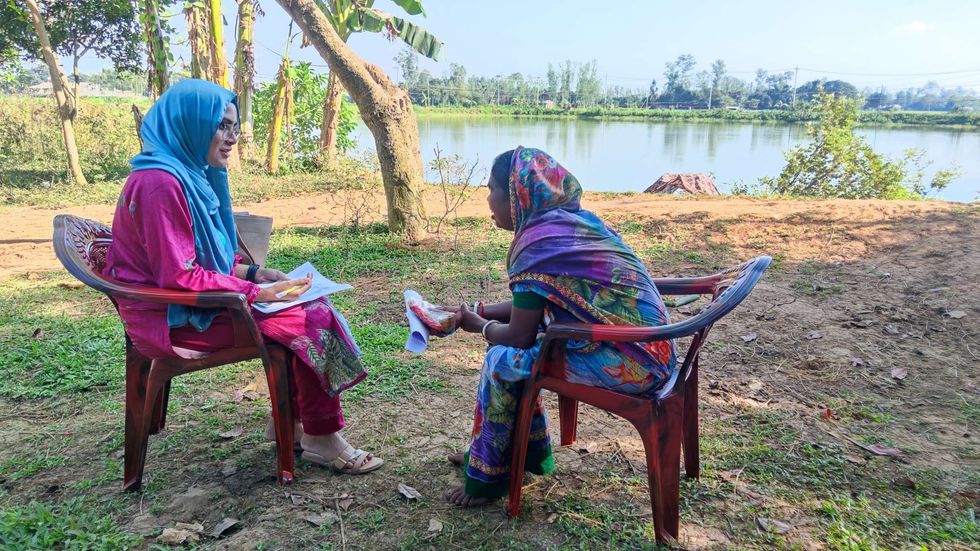 A Mind to Heart counsellor supporting a client in Bangladeshxx
Morjina first developed symptoms of leprosy when she was a teenager. Her undiagnosed symptoms led to severely limited mobility. At school, the stigma and discrimination she faced greatly affected her mental health. “I could no longer run around and play. Other children no longer talked to me or sat beside me. I felt very alone, it was unbearable!”
Morjina’s parents took her to many local clinics, but sadly her condition only worsened and she left school, marrying at 16.
It was not until two years ago that Morjina was finally diagnosed at a Lepra referral centre, where her youngest son, eight year-old Zihad, was also confirmed as having leprosy.
Due to the stigma surrounding the disease, Morjina’s husband initially wanted a divorce, but thanks to family counselling from Lepra, he is now supportive and understanding. As Zihad was treated early, he has not developed any lasting disabilities and, thanks to community awareness, has not experienced stigma or discrimination like his mother did.
The family receive regular ongoing home visits from a community volunteer “Mental Motivator” trained in basic mental health support.
In Bangladesh, mental health provision is scarce, with approximately 270 psychiatrists and 500 psychologists serving a population of more than 166 million. This is why Lepra’s dedicated health professionals and volunteers are so crucial in helping address the stigma and discrimination contributing to poor mental health.
For more information on Lepra’s work, visit www.lepra.org.uk