
TO MARK Mental Health Awareness Week 2025, documentary photographer Tom Bradley revisited Lepra’s ‘Mind to Heart’ project in Bangladesh, a lifeline in restoring the positive wellbeing of people affected by leprosy.
For the past six years, Tom Bradley and leading leprologist Professor Diana Lockwood have collaborated on The New Face for Leprosy project. Aiming to dispel the myths surrounding the curable disease and challenge negative stereotypes, the project captures positive and empowering images which help to change our collective understanding of this often misrepresented disease.
The portraits and stories from India and Bangladesh have since been exhibited at venues across the UK, including Westminster Cathedral and the Houses of Parliament, during Lepra’s centenary year in 2024.
In March, Tom returned to the small city of Bogura in Bangladesh, where Lepra’s Mind to Heart project is transforming the lives of vulnerable people.
At its heart is the belief that alongside treating the physical symptoms of leprosy, it is essential to address the emotional scars left by discrimination, fear and isolation.
In rural communities where access to formal mental healthcare services remains extremely limited, Mind to Heart provides a critical bridge to support.
As many as one in two people diagnosed with leprosy will experience significant mental health concerns. Positive mental health is crucial for people’s recovery; as such, Lepra provides professional counselling sessions for people affected by leprosy and their families.
Trained community volunteers provide ongoing support and guidance, visiting people in their homes, listening without judgement, and offering practical strategies to rebuild confidence and resilience. Many of Lepra’s volunteers have recovered from leprosy themselves.
Since 2023, over one hundred people affected by leprosy have received professional counselling, and an average of 1,200 house visits are made annually by community volunteers, providing ongoing encouragement and personalised care. An overwhelming 98 per cent of participants who engaged with Mind to Heart’s mental health support reported tangible improvements in their emotional wellbeing.
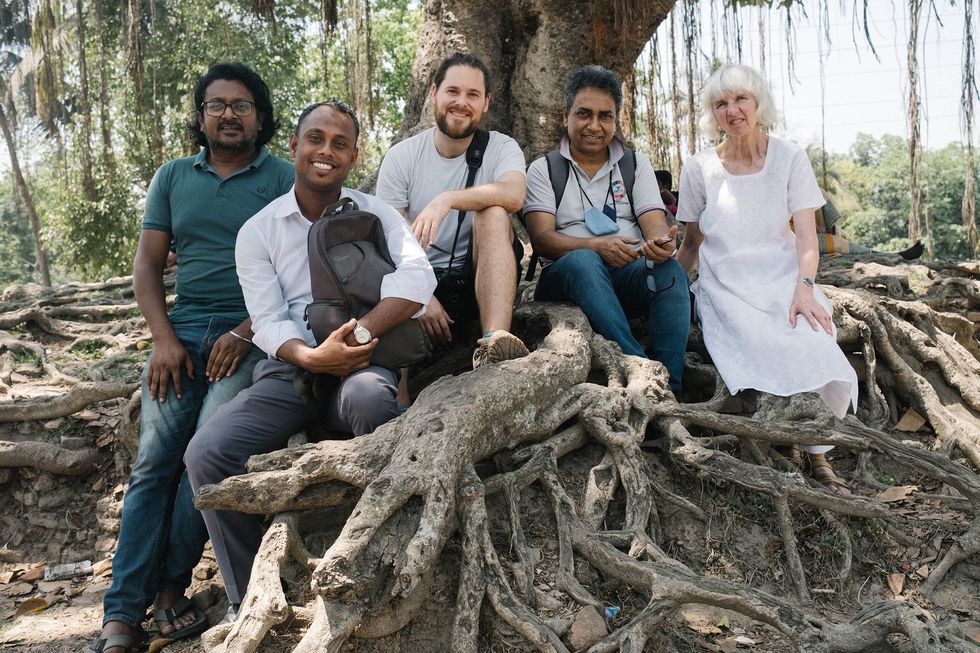 Photographer Tom Bradley (centre), Professor Diana Lockwood (right) and the Lepra Bangladesh team in Bogura
Understanding and empathy
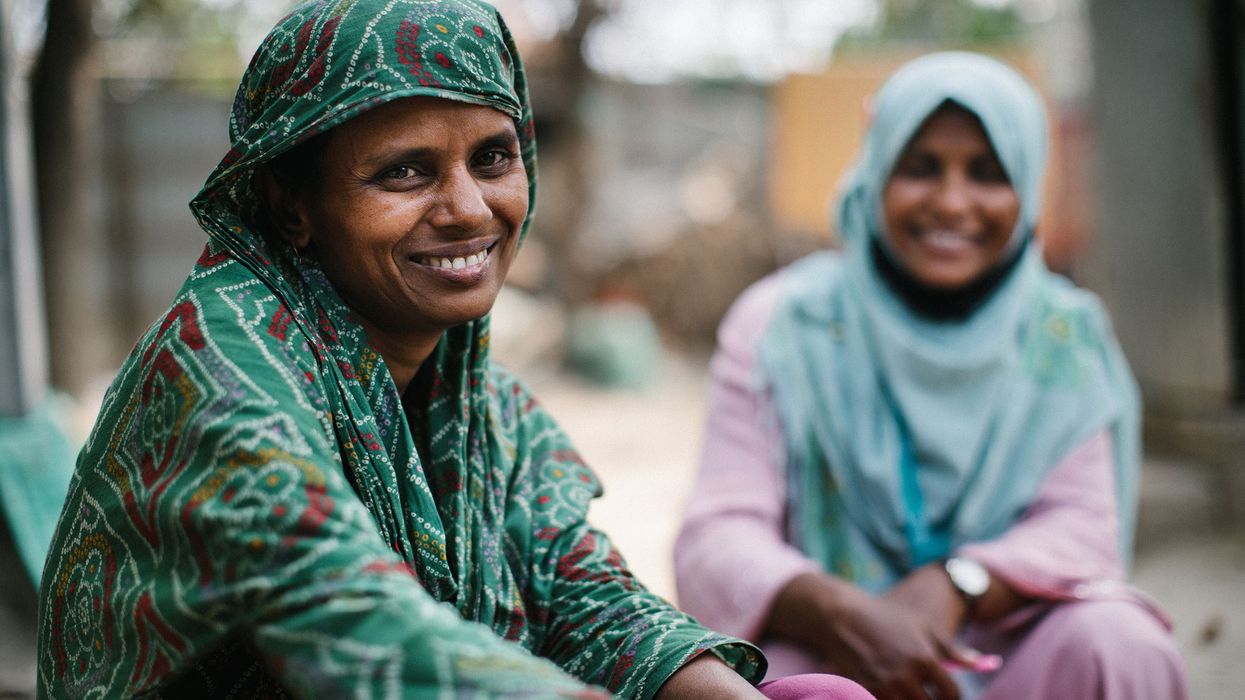
Firoza, from Bogura in Bangladesh, is featured in the latest iteration of the New Face for Leprosy project.
When Firoza was diagnosed with leprosy, her husband divorced her. She was depressed and suicidal, but through Lepra’s Mind to Heart project, she has found a vital line of support which has helped her gradually regain her confidence and improve her emotional wellbeing.
“I didn’t want to live with this sort of pain. People gossiped behind my back. I also felt bad for myself because of the worsening leprosy – it was difficult to do daily tasks. I didn’t eat or wash properly, or do any kind of work.”
Firoza’s turning point came when she was referred for counselling, followed by support from a Mental Motivator – a community volunteer with mental health training. Rupali has recovered from leprosy herself and shows great compassion for the people she supports. Over the past eight years, Rupali has visited Firoza two to three times a month.
“It helps to have someone to listen. These days I’m feeling better and more motivated.”
Watch an exclusive interview with Tom Bradley and hear about his experiences in Bangladesh and the New Faces for Leprosy exhibition: https://bit.ly/4jSY7lt