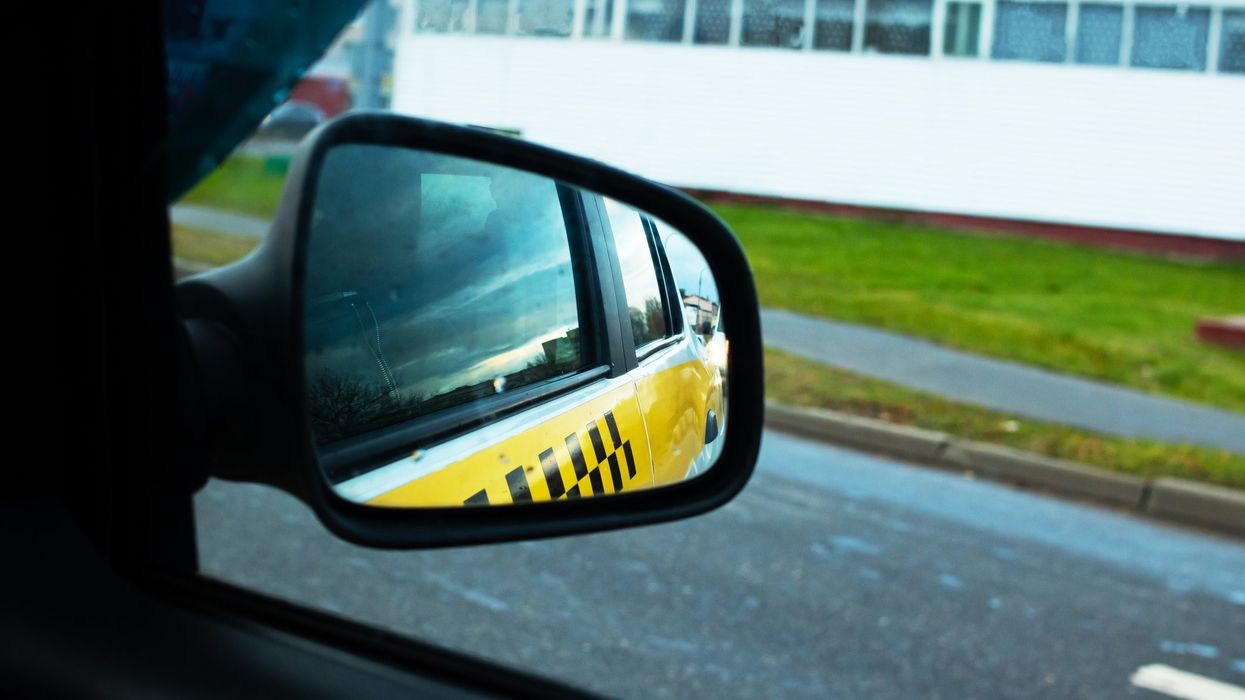

A 24-hour strike by private hire drivers in Leeds is set to take place on Monday (17), as a senior member of a drivers’ association claims the proposed rules “treat us like criminals”.
Proposed new suitability rules, currently being consulted on by Leeds City Council, include sections on what can be taken into consideration when deciding whether to grant taxi licences to drivers.
The vice chairman of the Leeds Private Hire Drivers Association Zahir Mahmood has claimed some of the proposed rules unfairly target black, asian and minority ethnic drivers, and called for others to back their action.
Leeds City Council has urged the association to call off the strike and to continue to talk to the authority about their concerns.
Under current rules, section 11 stated that drivers who had previously faced charges which did not result in a criminal conviction, or any conviction that was overturned, could still be taken into account by the council when issuing a taxi licence.
However, the proposed new rules add the line: “In addition, complaints where there was no police involvement may also be considered.”
Responding to this, Mr Mahmood said: “They are treating us as criminals.
“I have been doing this job for 20-odd years now, and public safety has always been a priority.
“This feels like a slap in the face. Any argument you ever had with someone, you could be held to account for.”
Section 27 of the proposed new terms states a driver’s “character”, including their “attitude and temperament”, can be taken into account when assessing their suitability for the job.
In addition, Section 28 of the new rules states that drivers living out of the country for at least six months must produce some kind of certificate of good behaviour from the authorities of said country.
Mr Mahmood said this unfairly targets non-white drivers, adding: “Many of us have family abroad.
“We might go every three or four years, but when we do we like to spend more time with them.
“This is an insult to the BAME community.”
He also believes there should also be rules on safeguarding drivers from passengers, adding: “Many of us are able to do this job late at night because we don’t drink. We don’t know what the passenger is like and how they will behave.”
He added that members of the LPHDO would strike from 6am on Monday, January 17 to 6am the following day, and urged other drivers’ associations to join.
Leeds City Council deputy leader Debra Coupar (Lab) said: “We have been made aware of the proposed strike action on Monday by the Leeds Private Hire Drivers Organisation (LPHDO).
“Our priority is to minimise the impact of this proposed action especially on vulnerable adults and children as much as we can, and to make sure everyone who may be affected is aware of the situation and any potential disruption, with solutions being identified where possible.
“We would ask the Leeds Private Hire Drivers Organisation (LPHDO) to reconsider their planned action, and continue their dialogue with us over the proposed accumulation of minor motoring convictions criterion of the suitability policy in order to achieve a positive outcome for all parties.”
(Local Democracy Reporting Service)