
- King Charles will become the first reigning British monarch to publicly disclose his tax payments.
- The figures will cover income from the Duchy of Lancaster, private estates and investments.
- The move comes amid growing calls for greater transparency around royal finances.
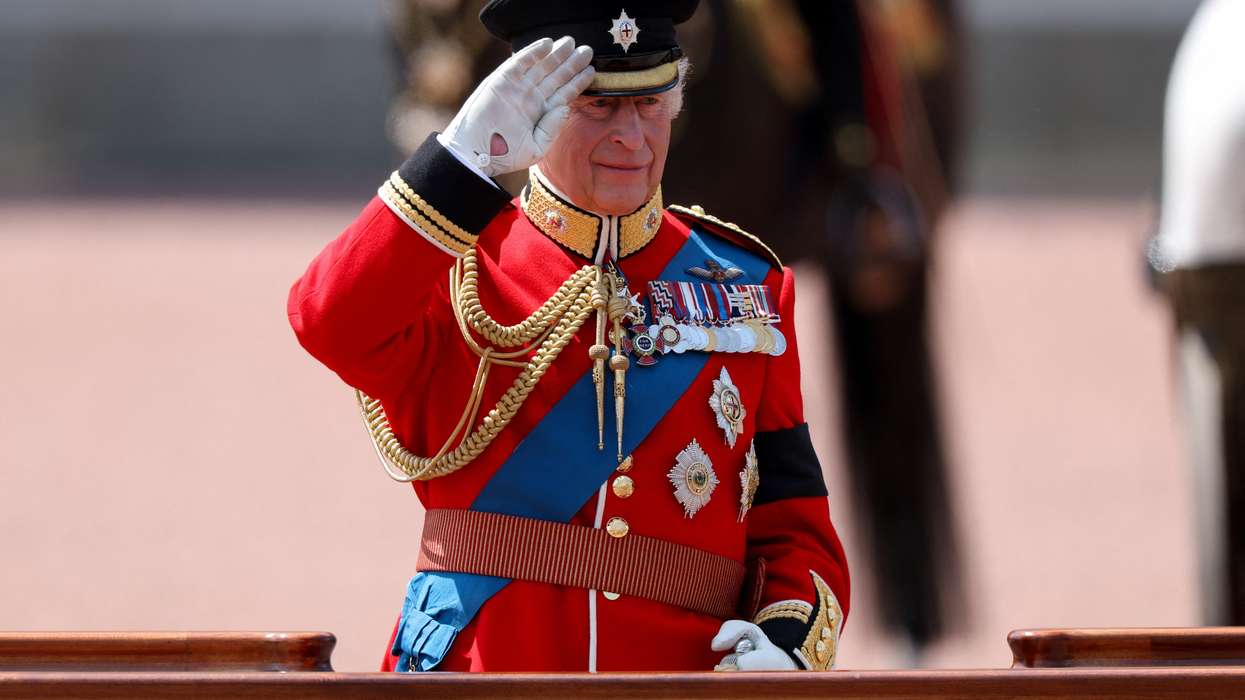
King Charles is set to make history by becoming the first reigning British monarch to publicly disclose his personal tax payments, marking a significant shift in how the Royal Family presents its finances to the public.
The King's tax bill for the 2024-25 financial year will be published on June 25 as part of the annual royal financial accounts, placing royal finances and Buckingham Palace transparency firmly in the spotlight. Buckingham Palace said the disclosure was a personal decision by the King and forms part of a wider effort to modernise how information about the monarchy's finances is shared.
The publication will reveal, for the first time, how much tax Charles paid on income generated from the Duchy of Lancaster, a private portfolio of land, property and assets that provides income to the monarch. The estate generated around £26.8 million last year.
The figures will also include tax paid on earnings from the King's private estates at Sandringham and Balmoral, alongside income from personal investments and other private sources.
British monarchs are not legally required to pay income tax or capital gains tax. However, Charles has voluntarily paid both for years, including during his time as Prince of Wales. While previous monarchs have kept the exact amounts private, the Palace has now confirmed that the King's tax payments will be disclosed annually.
A Buckingham Palace spokesperson reportedly said the aim was to "explain all elements of royal finances in a way that further enhances clarity and accessibility". The spokesperson added that the Royal Household would continue to "modernise and evolve", as quoted in a news report.
A response to growing scrutiny
The decision arrives amid increasing public and parliamentary interest in royal finances. Questions over transparency have intensified in recent years, particularly following controversies involving Prince Andrew and wider discussions about how public and private royal funds are managed.
Members of Parliament have repeatedly called for greater openness around royal wealth and expenditure. The King's move is widely seen as going beyond existing requirements and responding to those concerns.
The announcement will coincide with the publication of the Sovereign Grant accounts, which detail public funding used to support the monarchy's official duties, staff costs, travel and the maintenance of royal residences.
The Sovereign Grant currently stands at a record £137.9 million, partly due to funding allocated for Buckingham Palace renovations. However, reports suggest the Treasury is expected to announce a reduction following an ongoing review of royal funding arrangements.
Attention on royal finances is also likely to increase further after the Public Accounts Committee launched an inquiry into Crown Estate property arrangements and leases. Separately, reports have highlighted that Princess Beatrice and Princess Eugenie, who are not working royals, have lived in royal residences with rent reportedly paid from the King's private income.
Prince William, who inherited the Duchy of Cornwall after succeeding as heir to the throne, received almost £23 million from the estate last year. While he voluntarily pays the highest rate of income tax, the amount he pays has not been publicly disclosed.
For Buckingham Palace, the publication of the King's tax bill may represent more than a financial disclosure. It could signal a broader attempt to align the monarchy with modern expectations of transparency at a time when public scrutiny of institutions continues to grow.