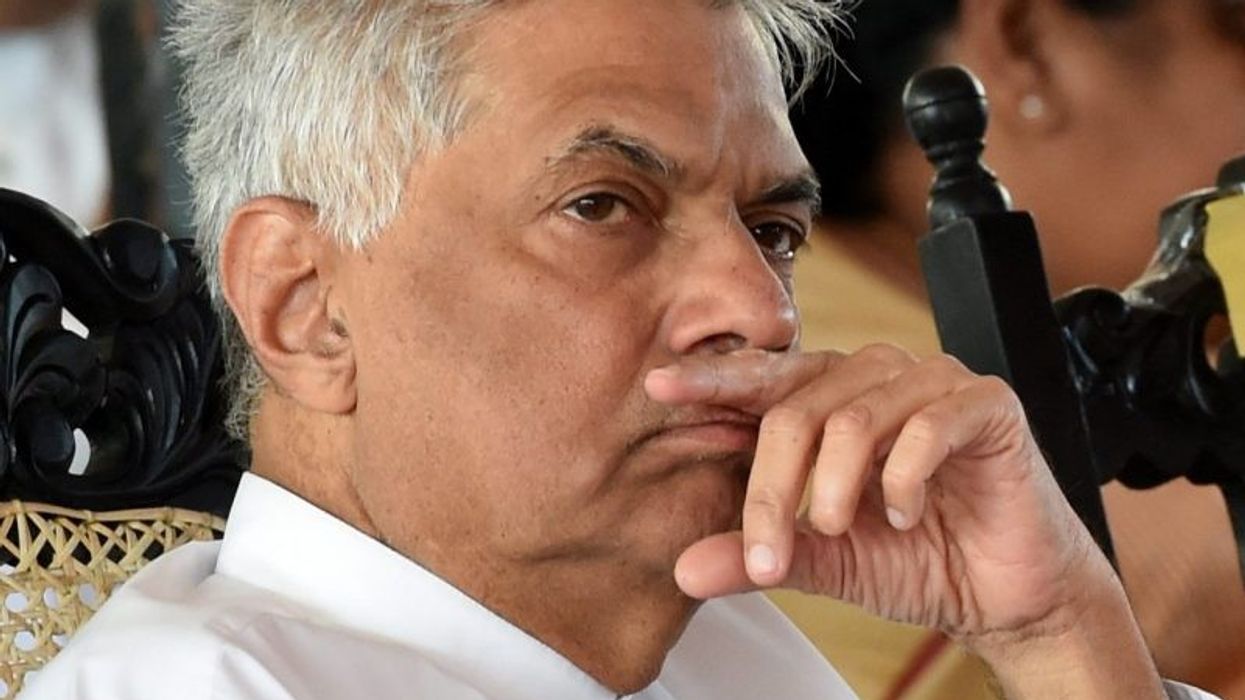
INDIA's Nobel laureate and prominent children's right's activist fears that Covid-19 will have detrimental impact on the lives of children.
Kailash Satyarthi, who won Nobel Peace Prize in 2014 along with Malala Yousafzai, for his efforts to combat child labour and child trafficking in India, fears that the global pandemic might 'reverse' all his efforts in the past.
Satyarthi, who received the top prize for 'his struggle against the suppression of children and young people', had rescued thousands of children from the scourge of slavery and trafficking for over four decades.
"The biggest threat is that millions of children may fall back into slavery, trafficking, child labour, child marriage," said Satyarthi.
"Once children fall into that trap they could be pulled into prostitution and could be trafficked easily ... this is another danger which government have to address now."
He pointed out that sexual abuse of children was also on the rise due to the pandemic.
"I cannot be satisfied even if one single child is enslaved ... it means there is something wrong in our polity, in our economy, in our society, we have to ensure that not a single child is left out," said the Nobel-winner.
As the pandemic pummels the Indian economy, pushing millions of people into poverty, families are under pressure to put their children to work to make ends meet.
While rates of child labour have declined over the last few years, about 10.1 million children are still in some form of servitude in India, according to the UNICEF.
Across India child labourers can be found in a variety of industries such as brick kilns, carpet-weaving, garment-making, domestic service, agriculture, fisheries and mining.
Earlier this month, Satyarthi's organisation backed by police rescued dozens of girls during a raid on a shrimp processing unit in western India.
He is the founder of multiple social activist organizations, including Bachpan Bachao Andolan, Global March Against Child Labour, Global Campaign for Education and Kailash Satyarthi Children's Foundation.
His team at Bachpan Bachao Andolan have liberated more than 81,000 children in India from child labour, slavery and trafficking.





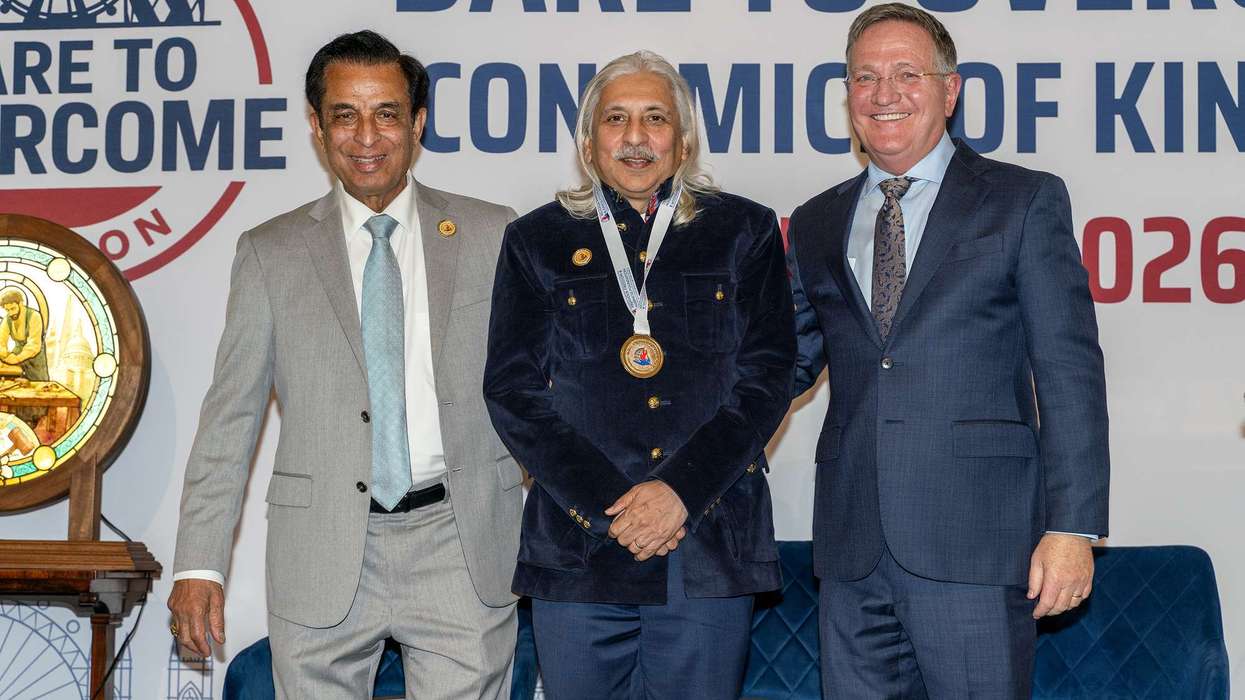
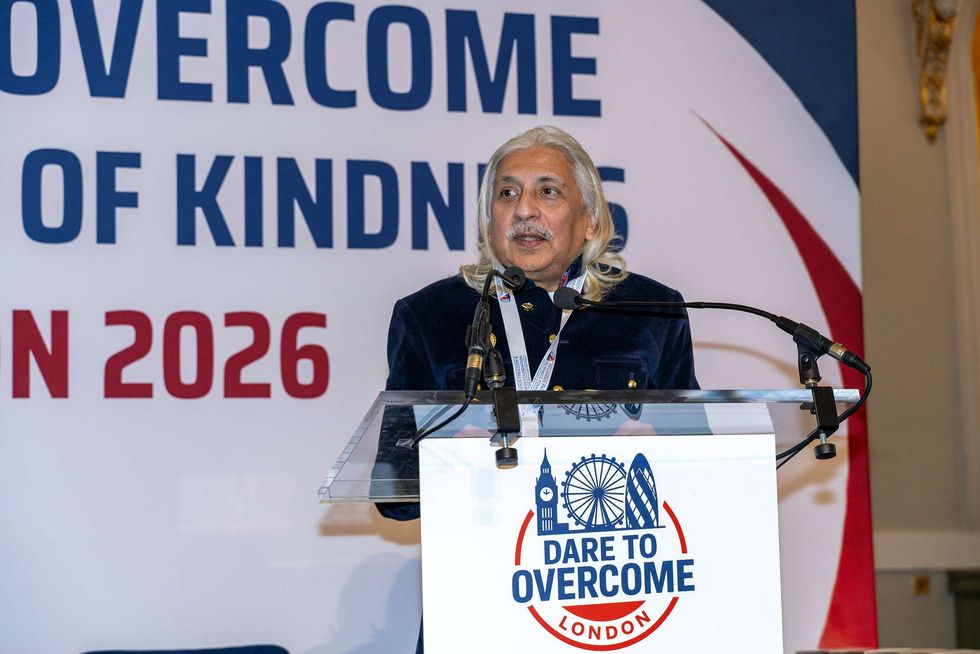 Sanjoy K Roy speaks during the eventEastern Eye
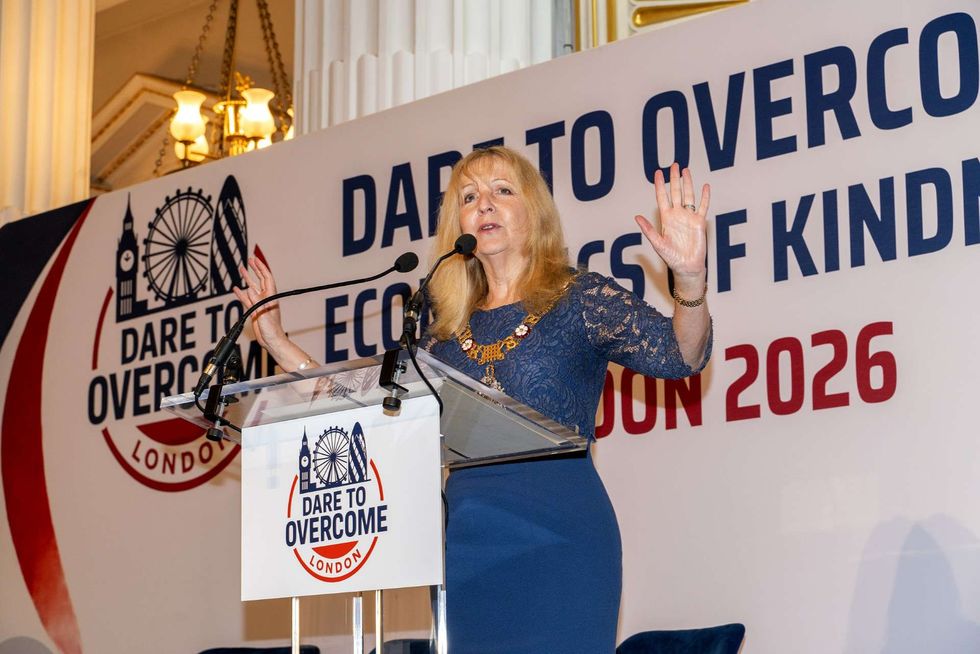 Dame Susan Langley, Lady Mayor of the City of London, speaks during the eventEastern Eye
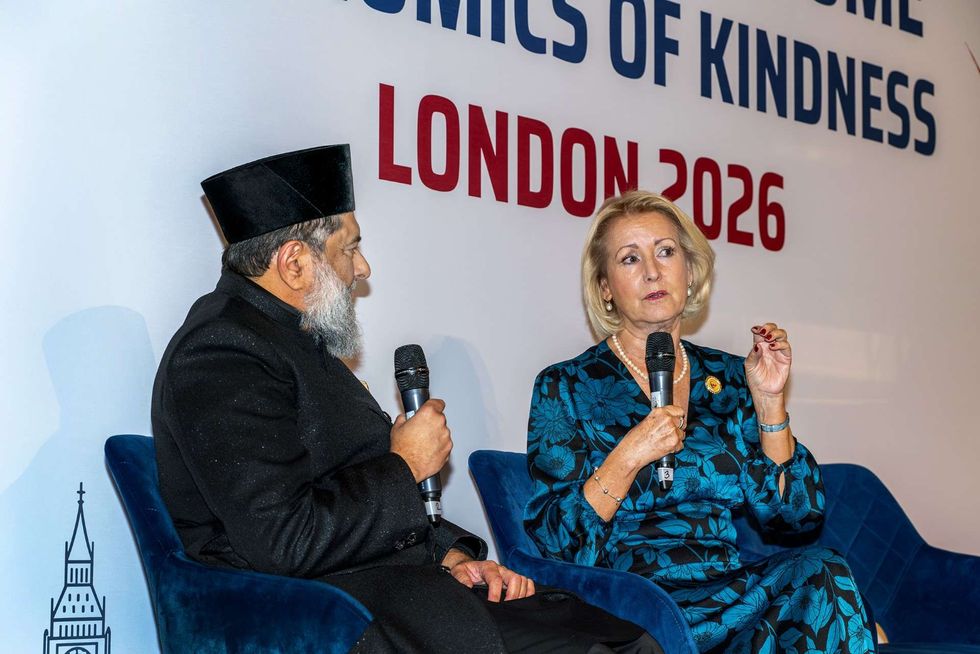 Dame Elizabeth Corley with Shaykh Ibrahim Mogra, Chaplain, Canary Wharf Multifaith ChaplaincyEastern Eye