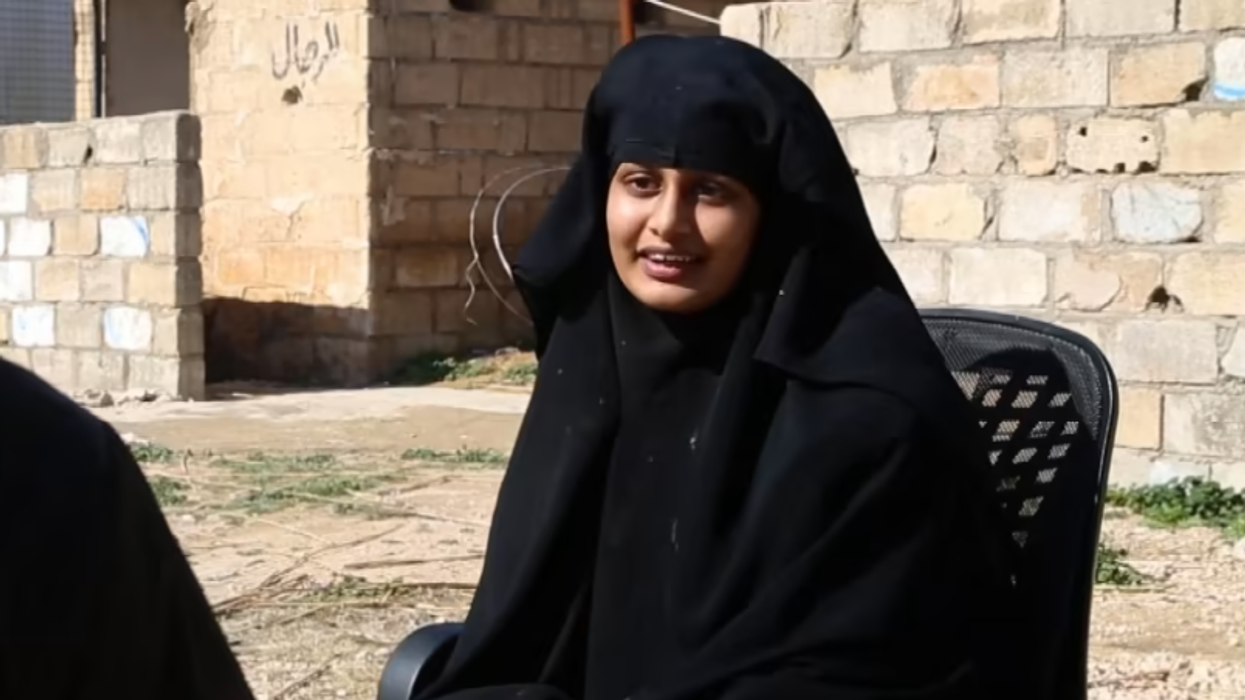

A British-born woman who went to Syria as a schoolgirl to join the Daesh (Islamic State) lost her latest appeal against the UK government's decision to take away her citizenship on Wednesday (22).
Shamima Begum left London in 2015 aged 15 and travelled with two school friends to Syria, where she married a Daesh fighter and gave birth to three children, all of whom died as infants.
She was stripped of her British citizenship on national security grounds in 2019, shortly after she was found in a detention camp in Syria.
Begum, now 23, challenged that decision at a hearing in London in November, when her lawyers argued that Britain’s interior ministry, the Home Office, failed to investigate whether she was a "child victim of trafficking".
Her lawyers also argued that then-home secretary Sajid Javid had "pre-determined" that Begum's British citizenship should be revoked before he received any evidence from officials.
But lawyers representing the Home Office said Begum's case was about national security rather than trafficking, arguing that Begum had aligned with the Daesh and stayed in Syria for four years until 2019.
On Wednesday, the Special Immigration Appeals Commission – a specialist tribunal which hears appeals against decisions to remove citizenship on national security grounds – dismissed Begum’s appeal.
Announcing the tribunal's decision, Judge Robert Jay said there was a "credible suspicion" that Begum was trafficked to Syria, which he said was for the purposes of "sexual exploitation".
"There were arguable breaches of duty on the part of various state bodies in permitting Begum to leave the country as she did.
However, the "credible suspicion" that Begum was trafficked is insufficient for her appeal to succeed, Jay added.
Wednesday's ruling is itself likely to be appealed, though this was not immediately confirmed.
(Reuters)