
- John Lewis Partnership posted a £124m pre-tax loss in the first half, 41 per cent higher than a year earlier.
- John Lewis sales fell 2 per cent while Waitrose grew 4 per cent, highlighting the sharp difference between the two businesses.
- The employee-owned group is investing in technology and its stores while calling on the government to reduce the cost of doing business.
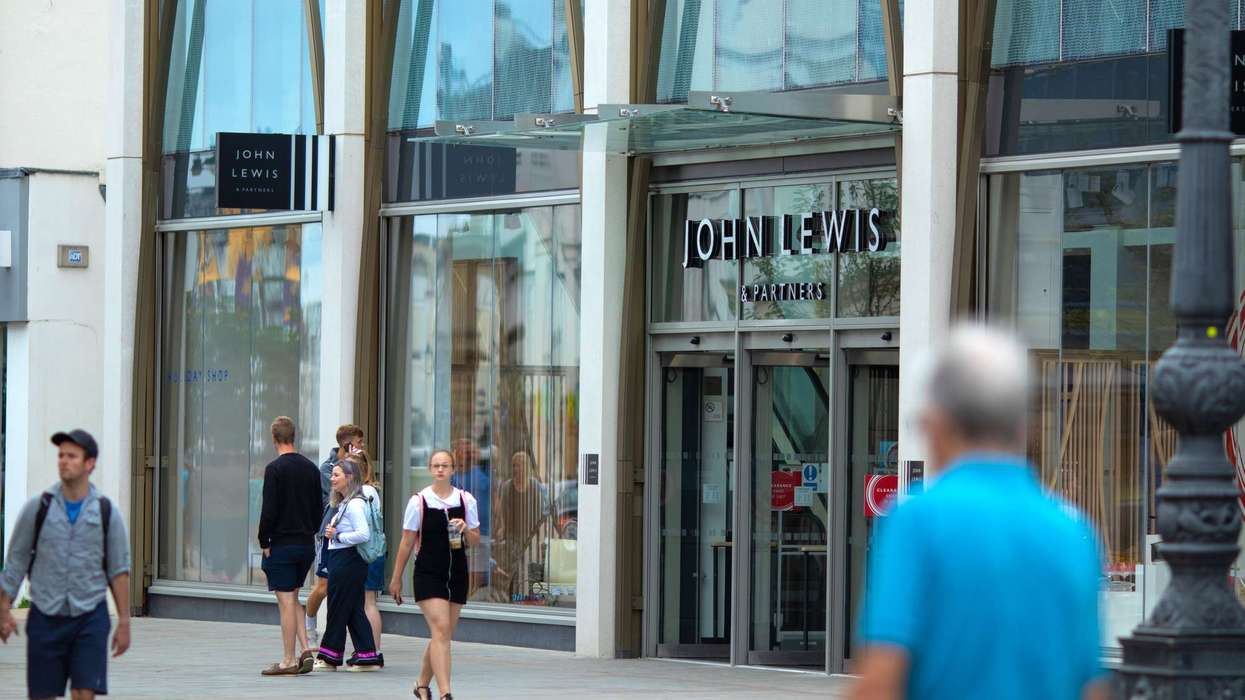
The owner of John Lewis and Waitrose has suffered a £124m pre-tax loss in the first half of its financial year, as weaker discretionary spending and rising operating costs put pressure on the retail group.
The John Lewis Partnership's loss for the six months to August 1 was 41 per cent larger than the £88m loss recorded during the same period last year. Sales increased 2 per cent to £6.3bn, but the modest growth was not enough to offset higher costs and investment.
Jason Tarry, chairman of the employee-owned group, said the results reflected “a more challenging trading environment and the increased costs of doing business."
The Partnership said employment costs had risen, including as a result of the increase in employer national insurance contributions introduced by the Labour government. Retailers have warned that higher employment costs are making it harder to hire and expand their workforces.
John Lewis itself was particularly weak. Sales fell 2 per cent to £2bn in the six months, as shoppers remained reluctant to spend on expensive items for their homes.
The department store reported an adjusted operating loss of £83m, compared with £53m a year earlier. It attributed the deterioration to softer trading, cost growth and higher investment.
The retailer has been cautious with discounts, attempting to increase the proportion of goods sold at full price, although it increased promotions in response to subdued demand.
The pressure is particularly significant because John Lewis is heavily exposed to categories such as homeware, furniture and electrical goods, where consumers can easily delay purchases when household finances are tight.
RSM UK analyst Robyn Duffy said the retailer was “particularly exposed to big-ticket, deferrable categories like home, furniture and electricals – exactly where these consumers are choosing to cut back or delay spending”.
Tarry said customers had been more cautious about spending on larger purchases, pointing to higher interest rates, the cost of living and uncertainty caused by conflicts around the world.
Waitrose is holding up better, but costs are rising there too
The group's supermarket arm has provided some relief.
Waitrose sales increased 4 per cent to £4.3bn in the first half, outperforming John Lewis as shoppers remained focused on household essentials and value.
But stronger sales did not translate into higher operating profit. Adjusted operating profit at Waitrose fell 6 per cent to £103m, with the Partnership saying higher costs, including those caused by the summer heatwaves, weighed on margins.
Waitrose boss Tom Denyard said the extreme heat had created “some challenges with refrigeration and freezing”, prompting the supermarket to invest in more resilient equipment.
Waitrose also spent £20m reducing prices as competition among supermarkets intensified and consumers remained sensitive to household budgets.
The Partnership said the wider economic and geopolitical environment had weighed on customers and that it remained cautious about the second half of the year.
That caution comes despite the group's expectation that most of its annual profit will be generated during the second half, which includes the crucial Christmas trading period.
Tarry said he remained confident the Partnership was “doing the right things for our customers” and expected the business to return to profit.
The group is also investing heavily in its future, including shop-floor refurbishments, electronic shelf labels and warehouse automation. It is beginning to build a more joined-up loyalty proposition across John Lewis and Waitrose, which currently operate separate loyalty schemes offering personalised rewards and free treats.
Tarry said: “We are managing the business with discipline and have chosen to keep investing in our customers, Partners and the long-term strength of our brands.
“While losses grew in the half, our employee-owned model allows us to take that longer-term view, supported by our financial strength.”
A new boss arrives as John Lewis faces a bigger retail problem
The results come at a significant moment for John Lewis.
Peter Ruis stepped down as managing director of John Lewis earlier this month, less than three years after taking on the job of revamping the department store chain. He has been replaced by Will Kernan, a former boss of New Look and River Island.
Ruis had warned during his tenure that the UK economy was facing a “permacrisis” and criticised the cost pressures facing large retailers, including business rates.
Now Tarry is also calling on the government to act.
“We want the government to deliver against their manifesto, which is to reform business rates,” he said. “It is the biggest business tax that we face, and in some locations it is bigger than our rent bill.
“Anything that the government can do to help us employ more people and be able to drive more growth would be very helpful.”
The Partnership is already a much smaller retail business than it was before the pandemic. It has closed 16 John Lewis department stores and at least 20 Waitrose outlets since then, while thousands of jobs have also been cut as part of its restructuring.
Yet the employee-owned model has given it some room to invest for the long term. In March, the Partnership paid its 69,000 workers, known as Partners, a bonus worth 2 per cent of salary, the first such payment in four years after underlying profit rose 6 per cent. Staff shared a £35m bonus pot, equivalent to about one week's extra pay each.
It is too early to know whether there will be a bonus this financial year, although Tarry said he was confident the Partnership could make a profit.
The challenge is that John Lewis is operating in an increasingly unforgiving department-store market.
It is one of the few major national department store chains still standing after the collapse of names such as Debenhams and Beales. Harvey Nichols was bought out of administration this summer by Mike Ashley's Frasers Group after its flagship Knightsbridge store had been described as being in a “death spiral”.
John Lewis is therefore trying to prove that a traditional department store can still work in a market where shoppers are more cautious, online competition is intense and the cost of maintaining large physical stores continues to rise.
Its £124m first-half loss shows how difficult that task has become. The next test will come during the second half of the year, when the Christmas season has to deliver the profits the Partnership is counting on while its new leadership tries to make the turnaround stick.