
THE UK will launch an inquiry on Tuesday(9) to investigate alleged systemic racism in the NHS maternity care, with support from the UK charity Birthrights.
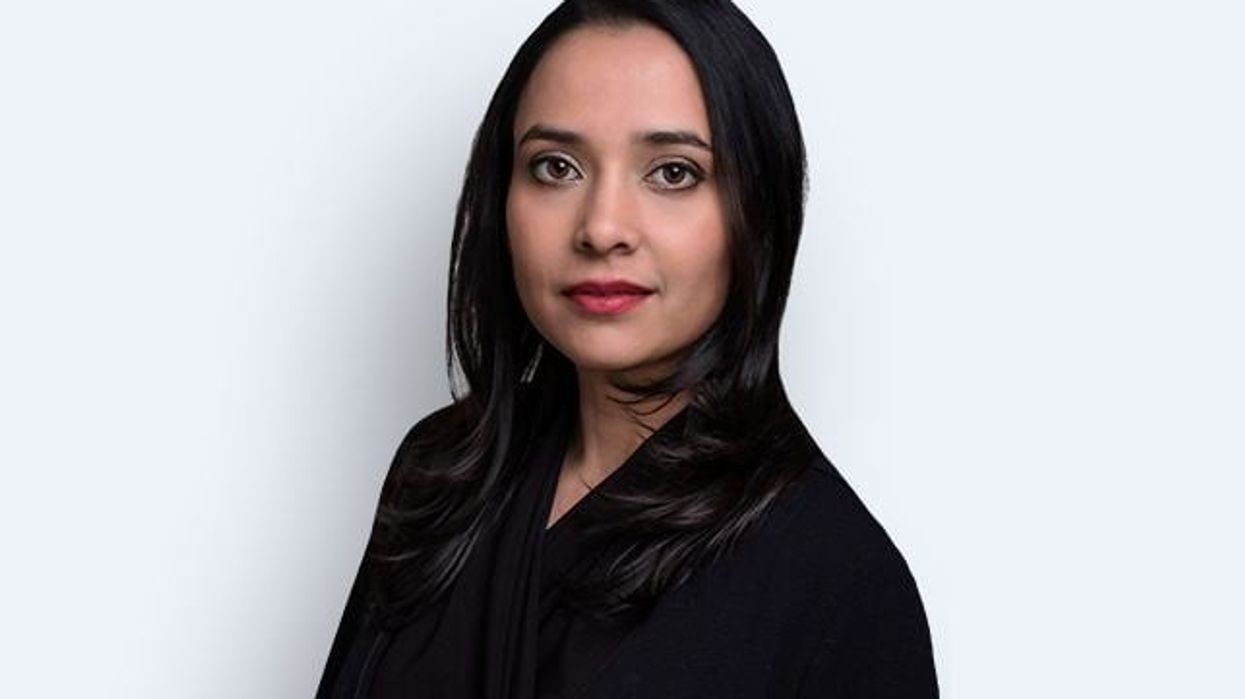
The inquiry, led by Barrister Shaheen Rahman QC, will examine how claimed racial injustice – from explicit racism to bias – is leading to poorer health outcomes in maternity care for ethnic minority groups, reported The Guardian.
An expert panel which includes a human rights lawyer, a clinical negligence solicitor, doulas – trained healthcare companions – obstetricians and midwives will oversee the inquiry.
Data published by MBRRACE-UK last month showed black women were four times more likely than white women to die in pregnancy or childbirth in the UK while women from Asian ethnic backgrounds face twice the risk.
“In addition to these stark statistics there are concerns about higher rates of maternal illness, worse experiences of maternity care and the fact black and Asian pregnant women are far more likely to be admitted to hospital with Covid-19," Rahman told The Guardian.
“We want to understand the stories behind the statistics, to examine how people can be discriminated against due to their race and to identify ways this inequity can be redressed.”
Rahman will be supported by two co-chairs, including Benash Nazmeen, director of the Association of South Asian Midwives.
Research published in 2013 found that women from minority ethnic groups had a poorer experience of maternity services than white women. They were more likely to deliver by emergency caesarean section, less likely to have pain relief during labour and received fewer home visits from midwives.
According to findings by MBRRACE-UK, the rates of baby loss are also higher for minorities.
Data also says that black pregnant women are eight times more likely and Asian women four times more likely to be admitted to hospital with Covid-19 than white women.
“A lot of black and brown people in the birthing world are understandably frustrated by calls for more research when what’s needed is action. This inquiry will take the starting point that racism exists in our society so it must exist in the NHS," Amy Gibbs, the Birthrights chief executive, told The Guardian.
“We know many healthcare workers provide safe, respectful care to everyone, regardless of their ethnicity. But the evidence shows persistent inequities in maternity outcomes and experiences. We want to understand how racial bias and systemic racism impact on people’s basic rights in pregnancy and childbirth, so we can be honest about the harms being caused and what needs to change."
A new role of head of midwifery research has been created by NHS England to focus on health inequalities associated with maternity outcomes for mothers and babies from black, Asian and ethnic minority families, the newspaper report said.
Besides, an initiative where women from these ethnic groups are seen by the same midwife and team throughout their pregnancy, birth and postnatal period to ensure continuity of care is being fast-tracked by the NHS.