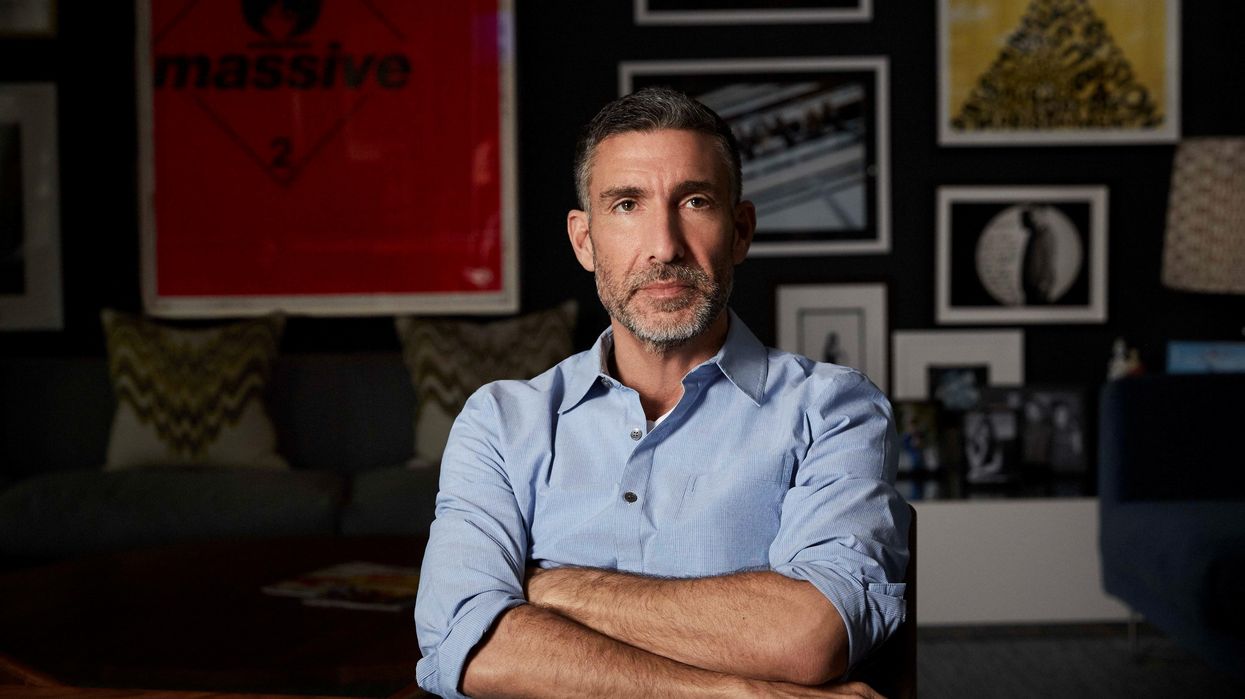

THE ROYAL SOCIETY OF ARTS (RSA) has announced the appointment of David Joseph CBE as its next chief executive officer. He will take over the role in September, succeeding Andy Haldane.
Joseph previously served as chairman and CEO of Universal Music UK for 17 years. During his time at the company, he oversaw its transformation into a global exporter of British music and worked with several major international artists.
He began his career in advertising before moving into music, where he held roles in artist development and label management. He became chairman and CEO of Universal Music UK in 2008.
Alongside his commercial career, Joseph has been involved in a number of social and cultural initiatives. In 2019, he launched Universal Music’s Creative Differences initiative, which produced the first industry handbook for supporting neurodiversity in the workplace. The handbook has been adopted by more than 200 organisations globally.
He is a founding board member of Julie’s Bicycle, a group focused on climate issues in the cultural sector, and served on the National Council of Arts Council England for eight years. In 2013, he collaborated with Baroness Doreen Lawrence to mark the 20th anniversary of Stephen Lawrence’s murder through the Unity project. He also serves as Chair of the Grenfell Foundation.
Joseph has chaired several BRIT Awards shows and was an executive producer of the Oscar and BAFTA-winning 2015 documentary Amy.
RSA Chair Sir Loyd Grossman said: “David’s commitment to effecting social change, his compassion and his commitment to nurturing people is exemplary.
“We are thrilled that David will join us in the autumn, knowing that he will foster a collaborative and caring culture that speaks to our fellows, partners, staff teams and the wider world. These qualities make David superbly placed to lead the RSA into its next vital phase, and we are thrilled to have him on board.”
Commenting on his appointment, Joseph said: “The RSA has a remarkable heritage and untapped potential. At a time when fresh thinking and collective action are urgently needed across the globe, the RSA is uniquely positioned to drive meaningful change - uniting its rich tradition of arts, creativity and policy influence with the energy of its global Fellowship to spark ideas that shape society. I’m excited to join such a talented organisation where we will build a bold new chapter together.”