Indian swing bowler Deepak Chahar plans to be more selective about his playing schedule in the future after a stress fracture in the lower back became the price of relentlessly pushing himself.
Since his Twenty20 International debut in 2018 against England, Chahar has become a regular team pick in that format, impressing with his swing and death-overs mastery.
The 27-year-old had hoped to cement his place in the one-day squad before he was laid low by the injury, which will keep him out of action until April.
"The stress fracture in my back is mainly due to playing excess matches," Chahar told the Telegraph newspaper, adding he had been playing intensively for the past two years.
"So I have to be a bit selective now. Else, I won’t be able to survive."
Chahar, the top performing bowler in a single Twenty20 International innings, will miss the limited-overs home series against Sri Lanka, Australia and South Africa, as well as India's tour of New Zealand, in coming months.
The bowler reckons trying to be match-fit ahead of this year's Indian Premier League, which is expected to start in late March, is a reasonable target.
"My objective is to obviously keep performing better, but I will also be doing the required training and exercises to regain my lost pace. Since I was playing continuously, I had lost two-three kilometres of pace.
"As for the variations, I'll look to better my yorkers, which I think, are already better now than how they used to be. Working on leg-cutters too," Chahar said.


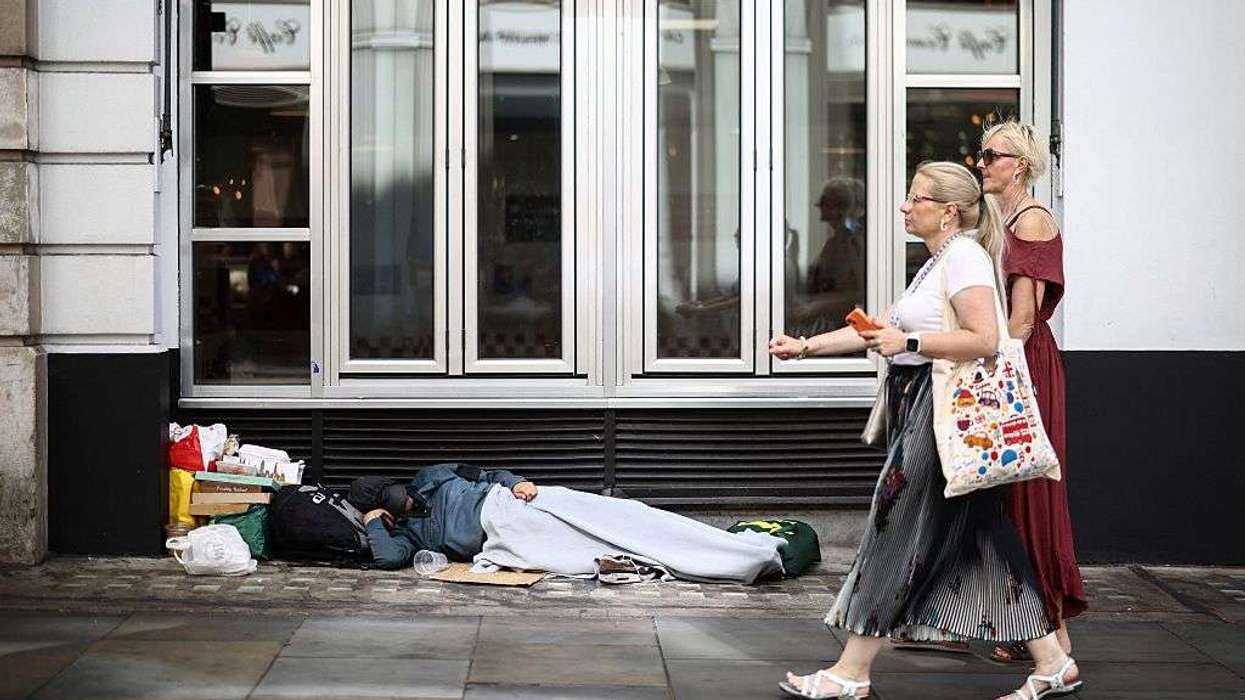


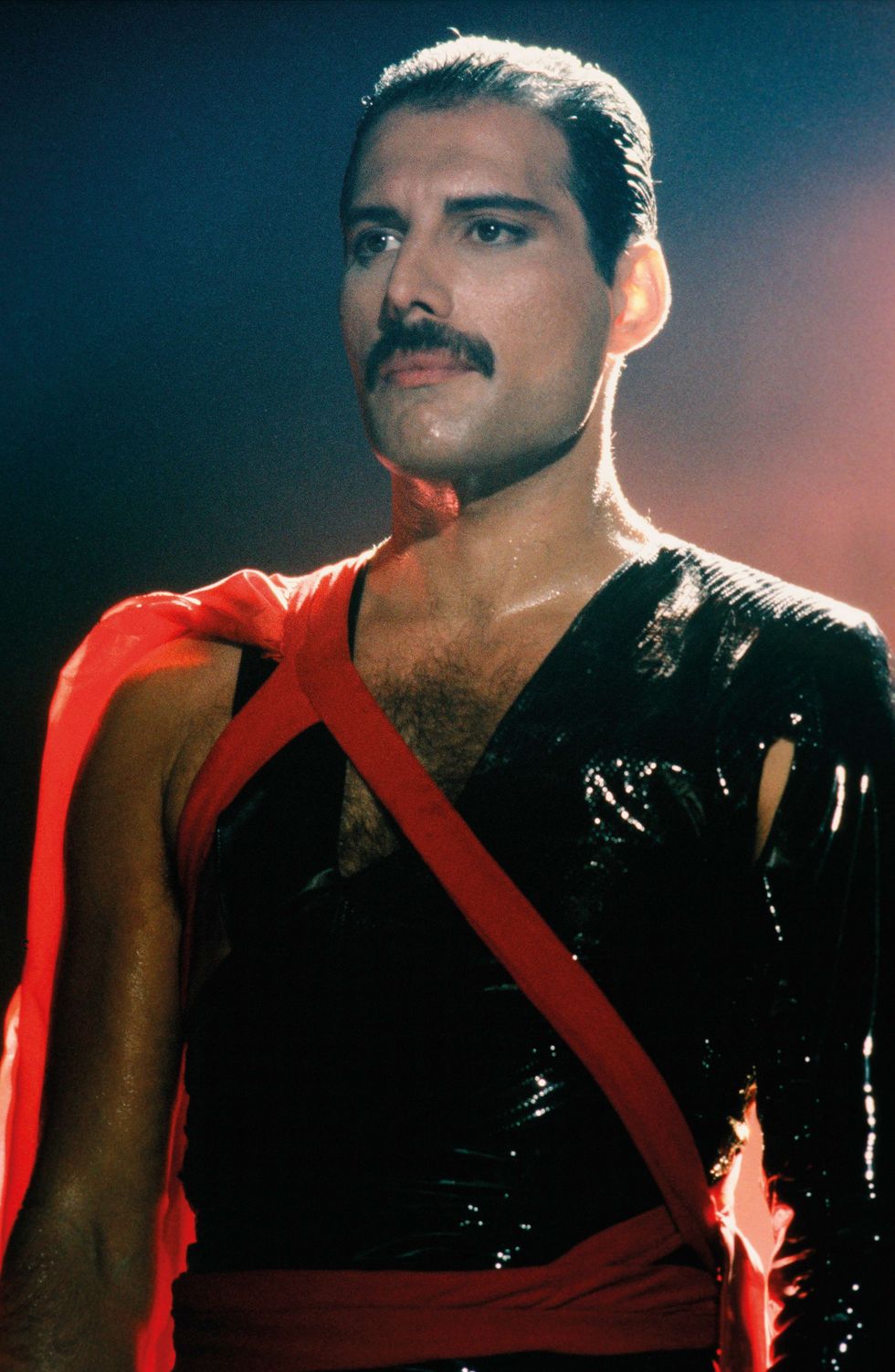 Freddie Mercury in the Made in Heaven music videoSimon Fowler © Mercury Songs Ltd
 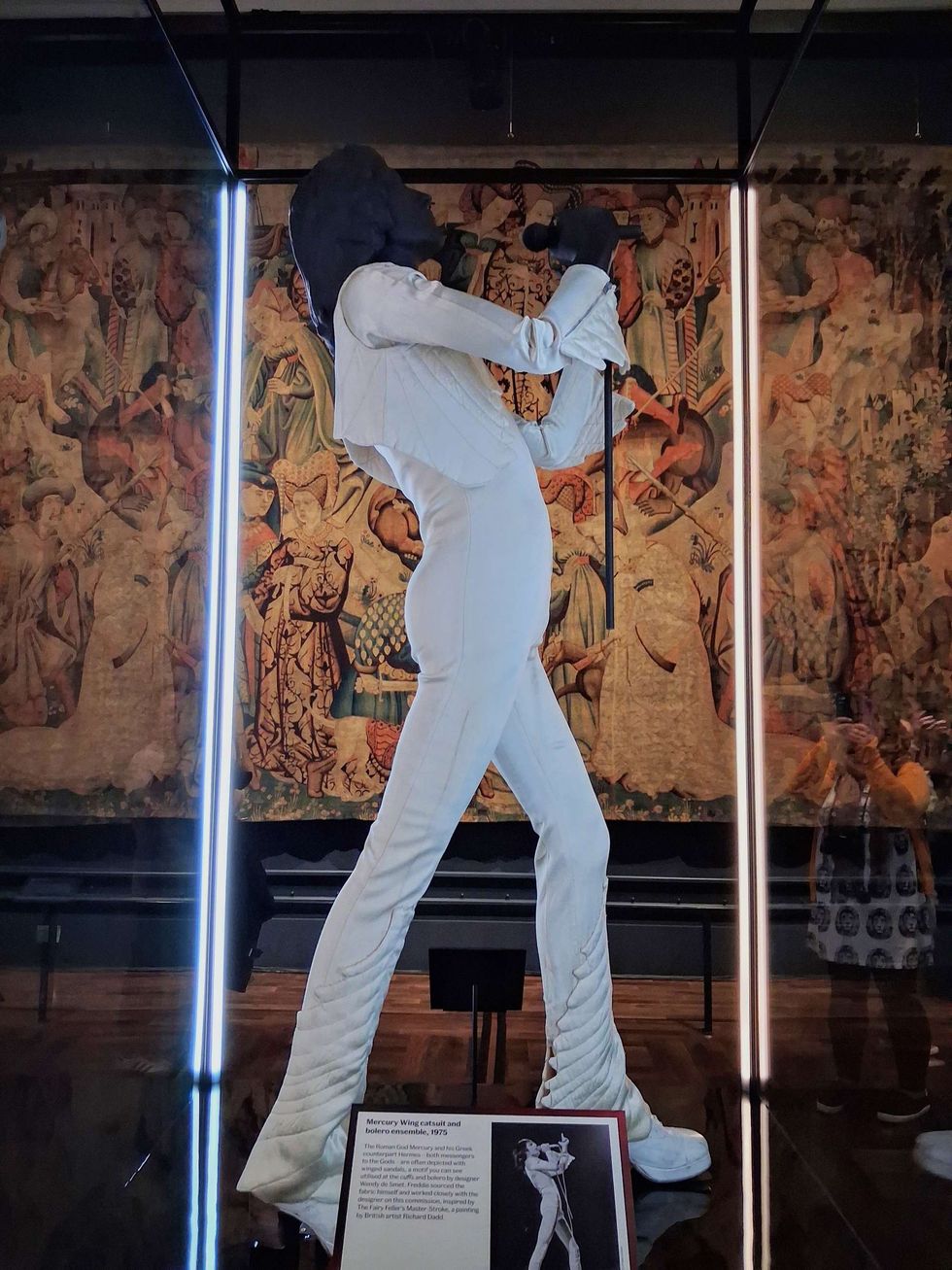 Mercury Wing Catsuit and bolero ensemble (1975)Amit Roy
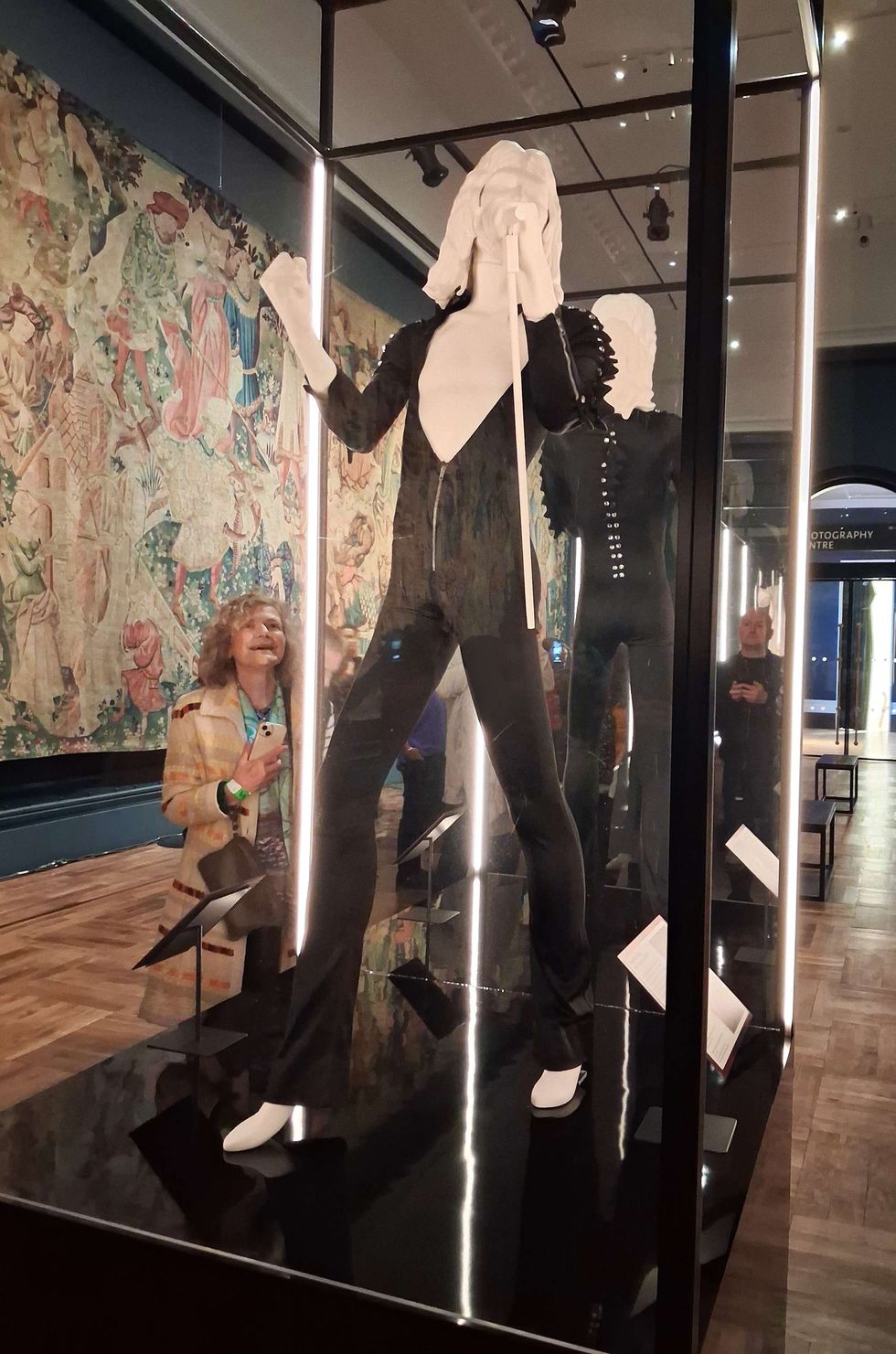 Designer Wendy de Smet with the spine suit or the Black Queen suit from 1975 Amit Roy
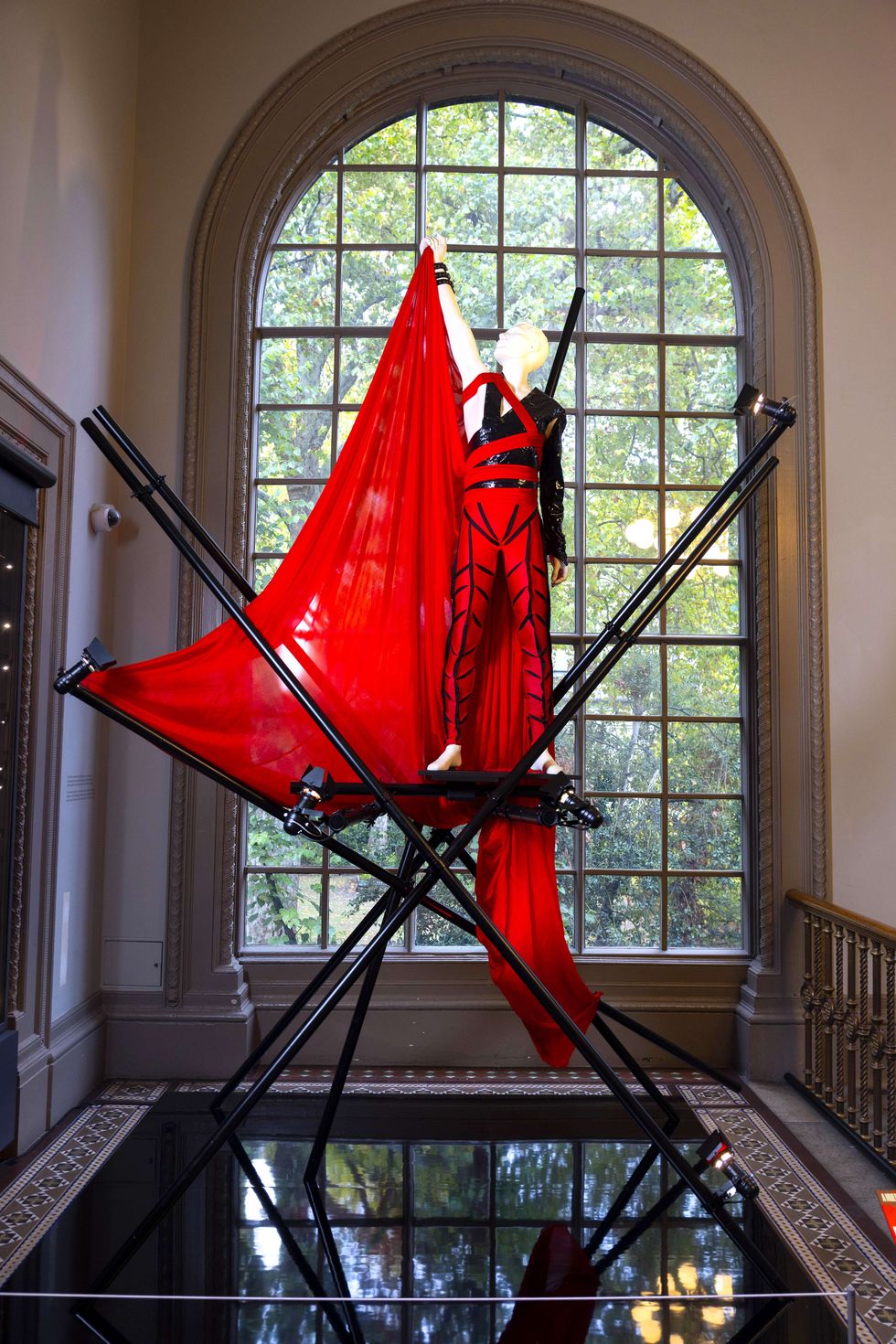 Made in Heaven music video costume (1985) David Parry/V&A
 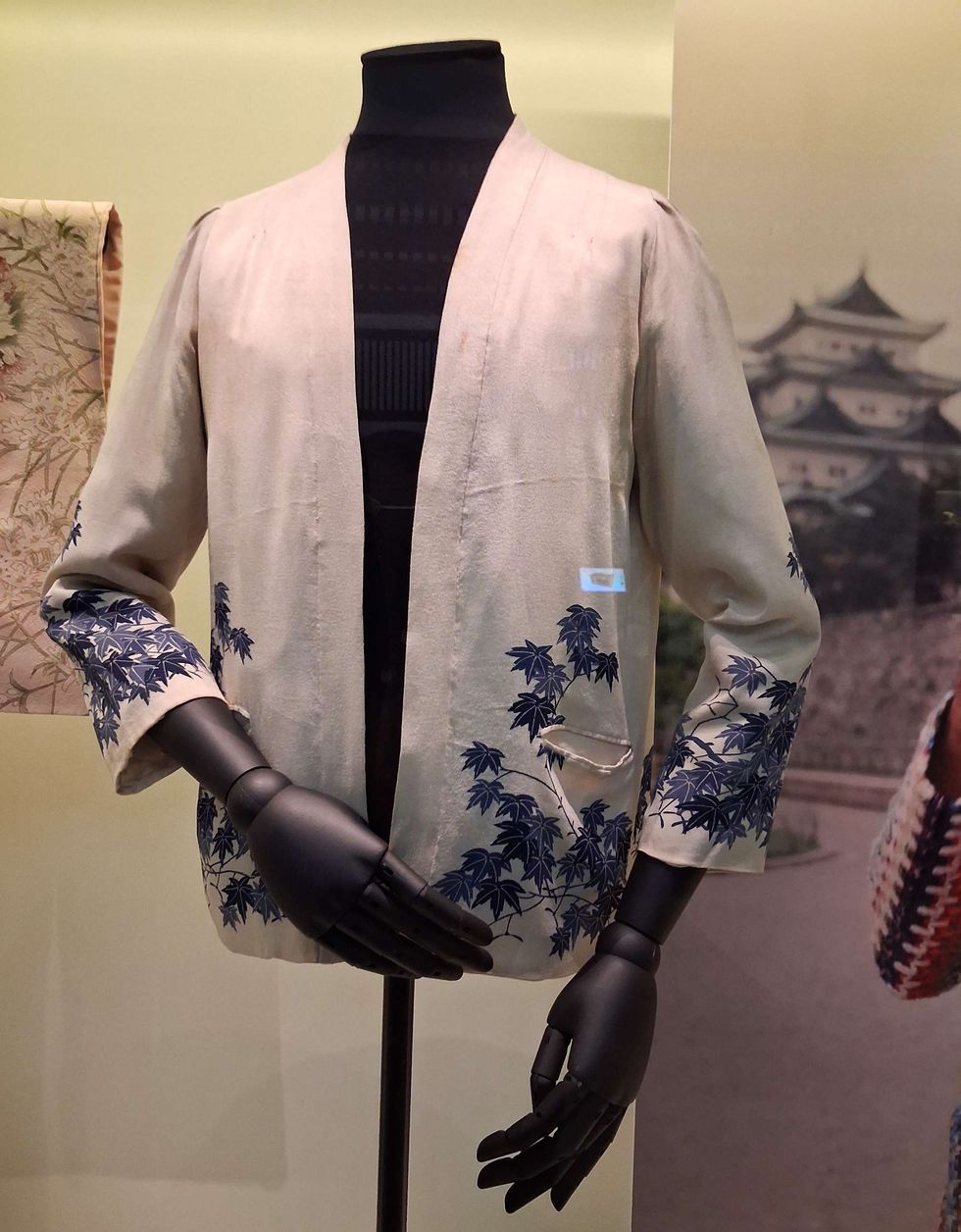 Japanese jacket (early 1970s)Amit Roy
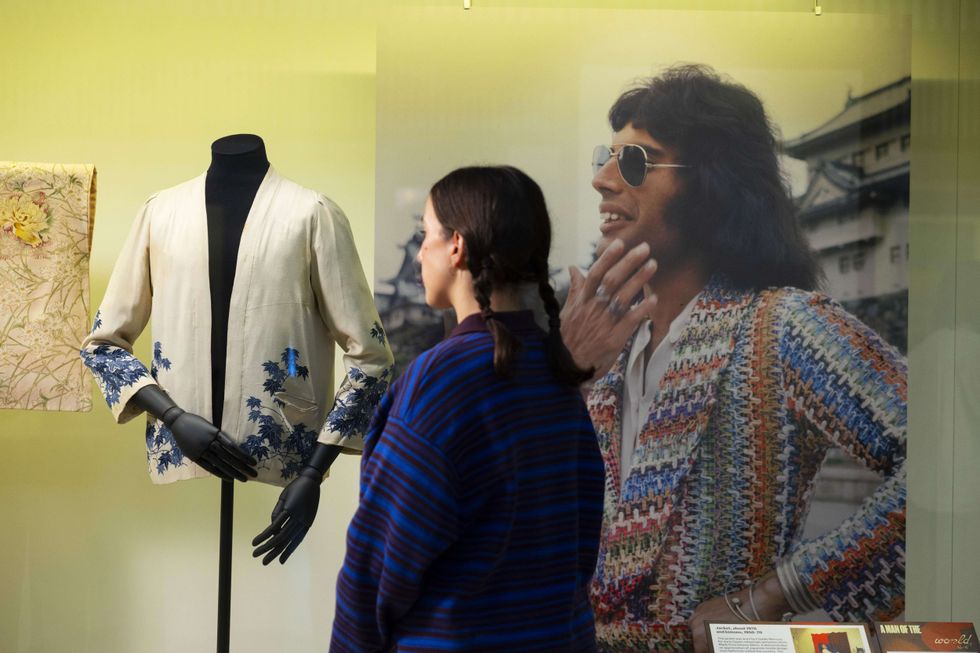 Japanese jacket (early 1970s) and kimono (1950-70) David Parry/ V&A
 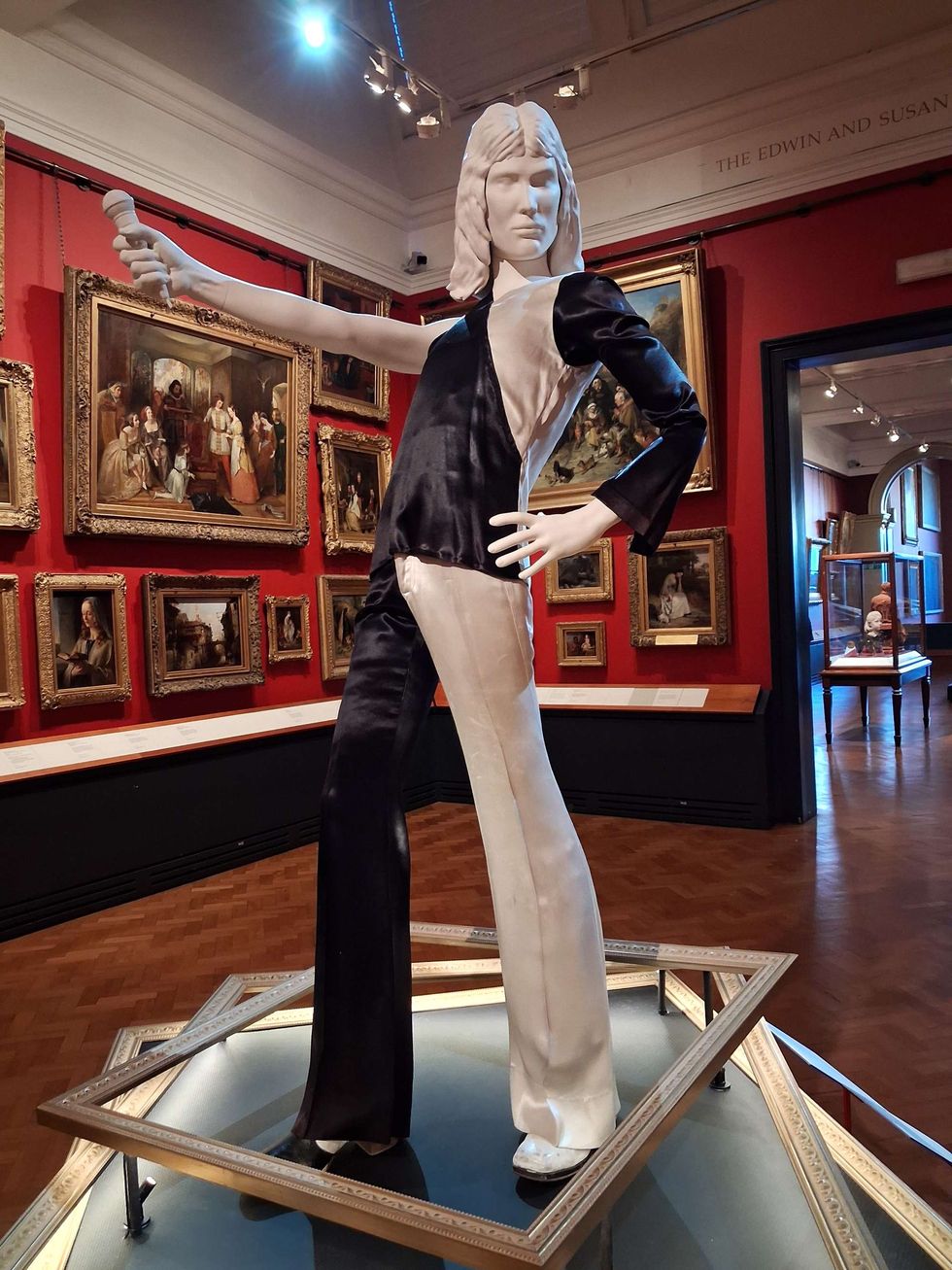 Ensemble worn for Imperial College gig in 1973Amit Roy
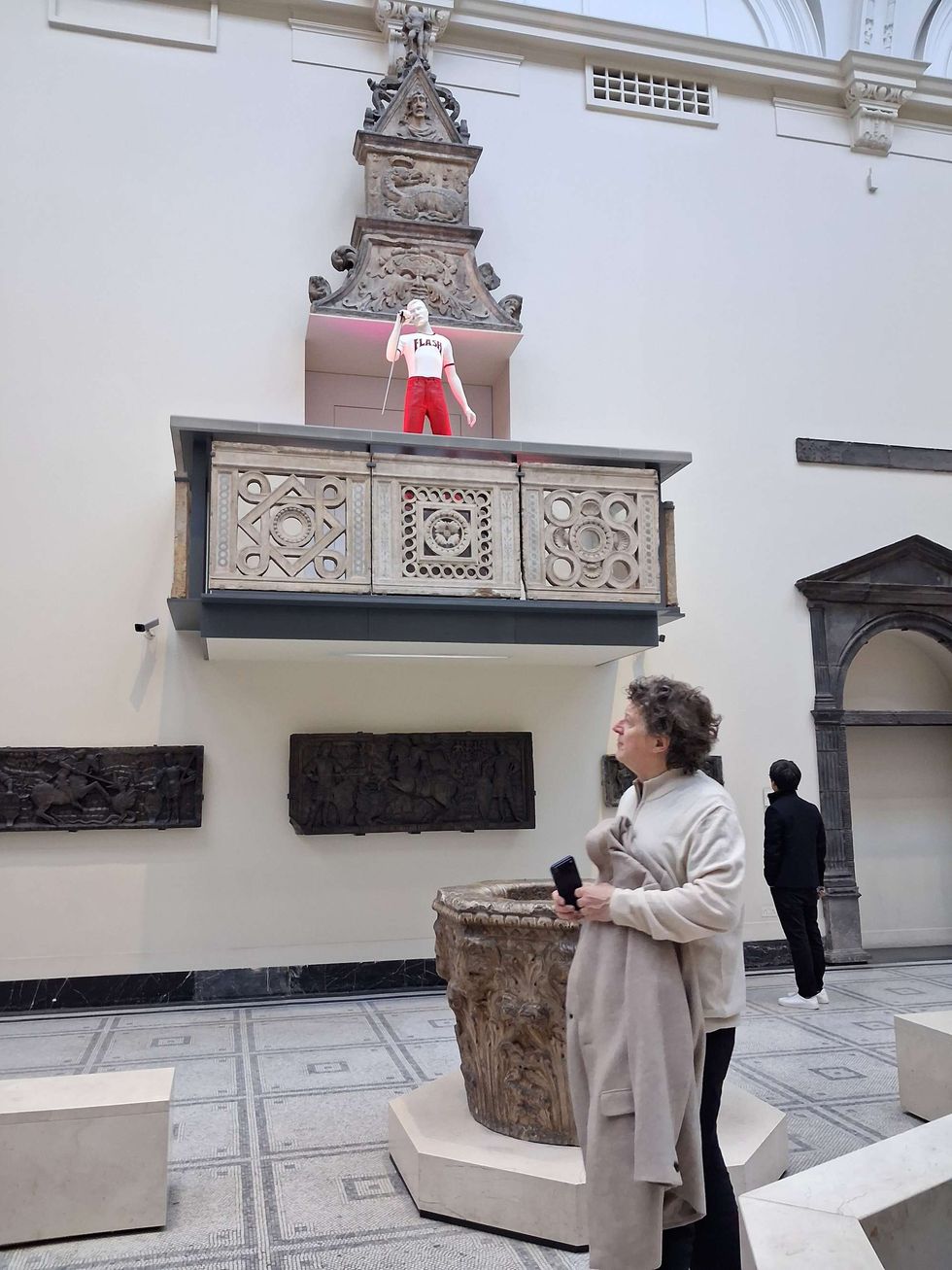 Flash ensemble and half mic (Flash Gordon 1980)Amit Roy
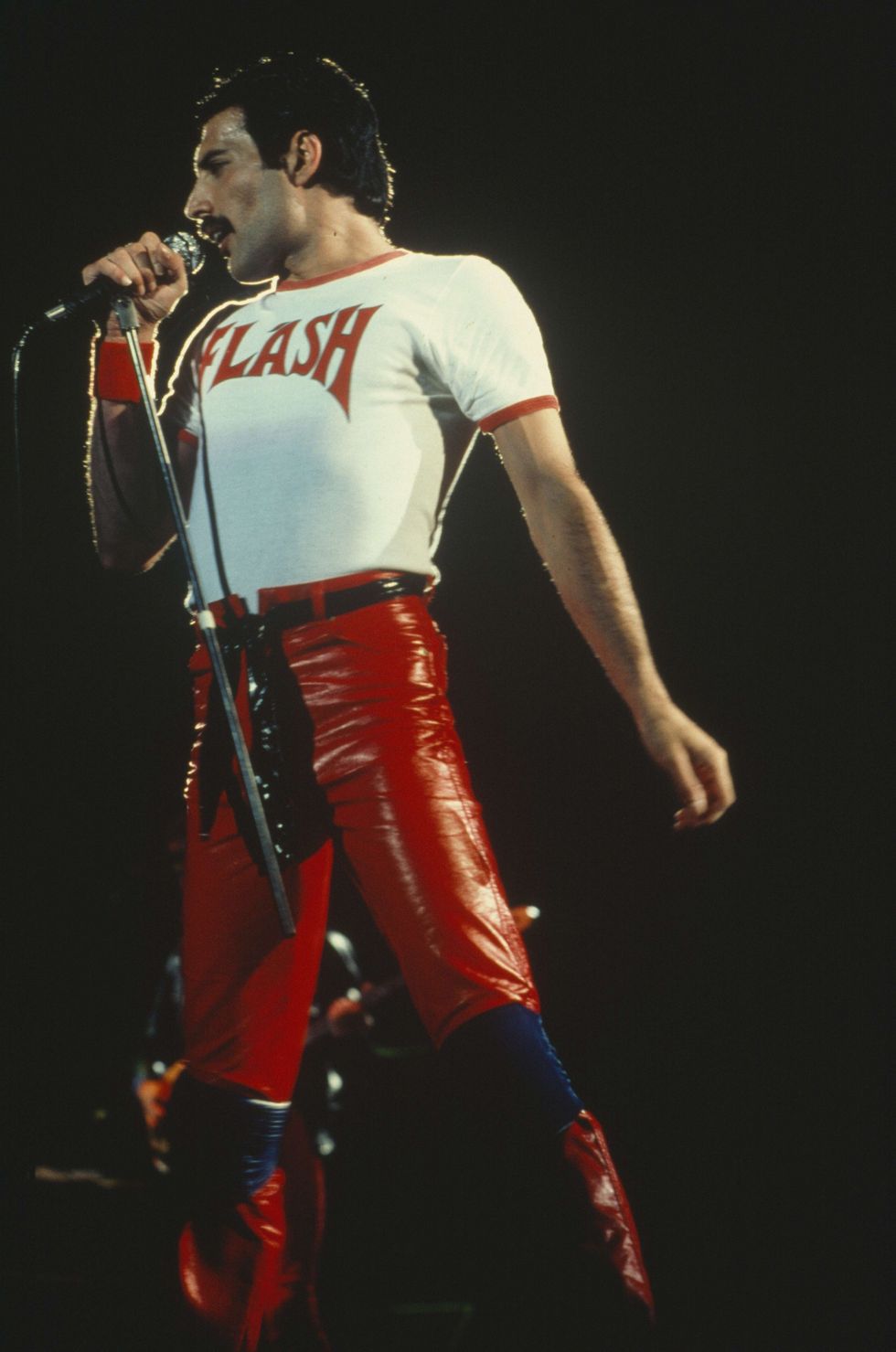 Freddie Mercury performs wearing a 'Flash' t-shirt at Sports Arena in San Diego, California, United States, on 5th July 1980David TanShinko Music/Getty Images
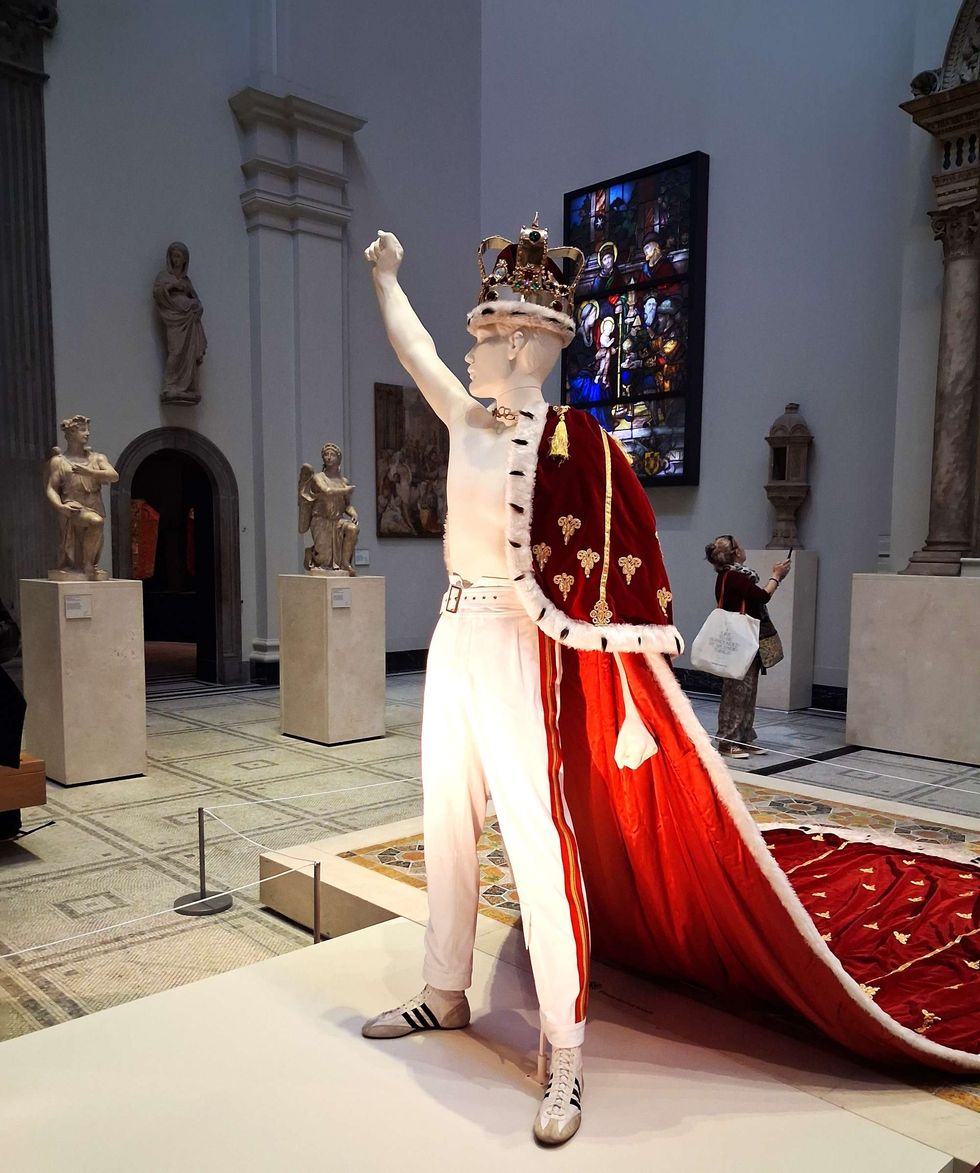 Cloal and crown ensembleAmit Roy
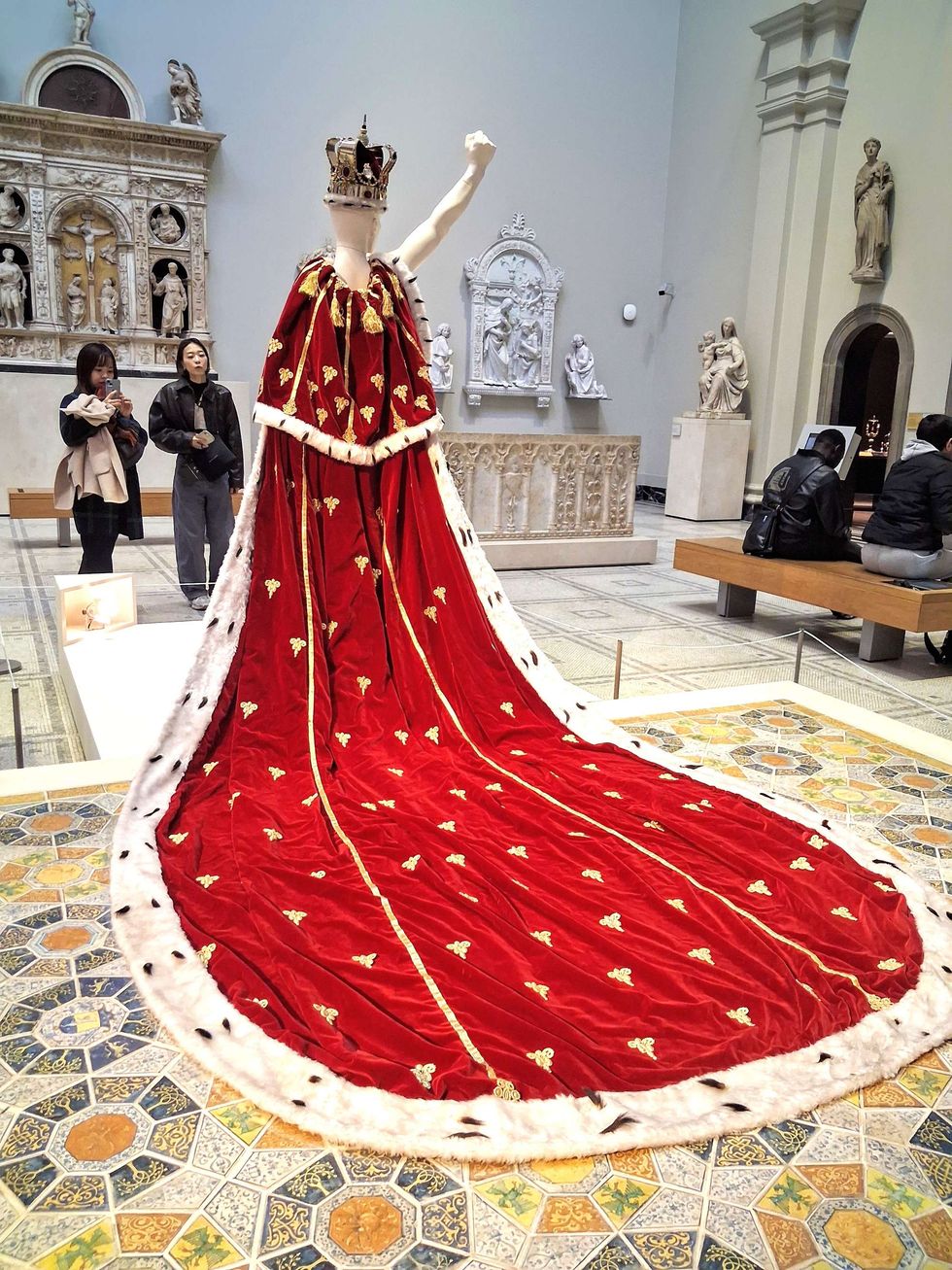 Cloak and crown ensemble (1986)Amit Roy
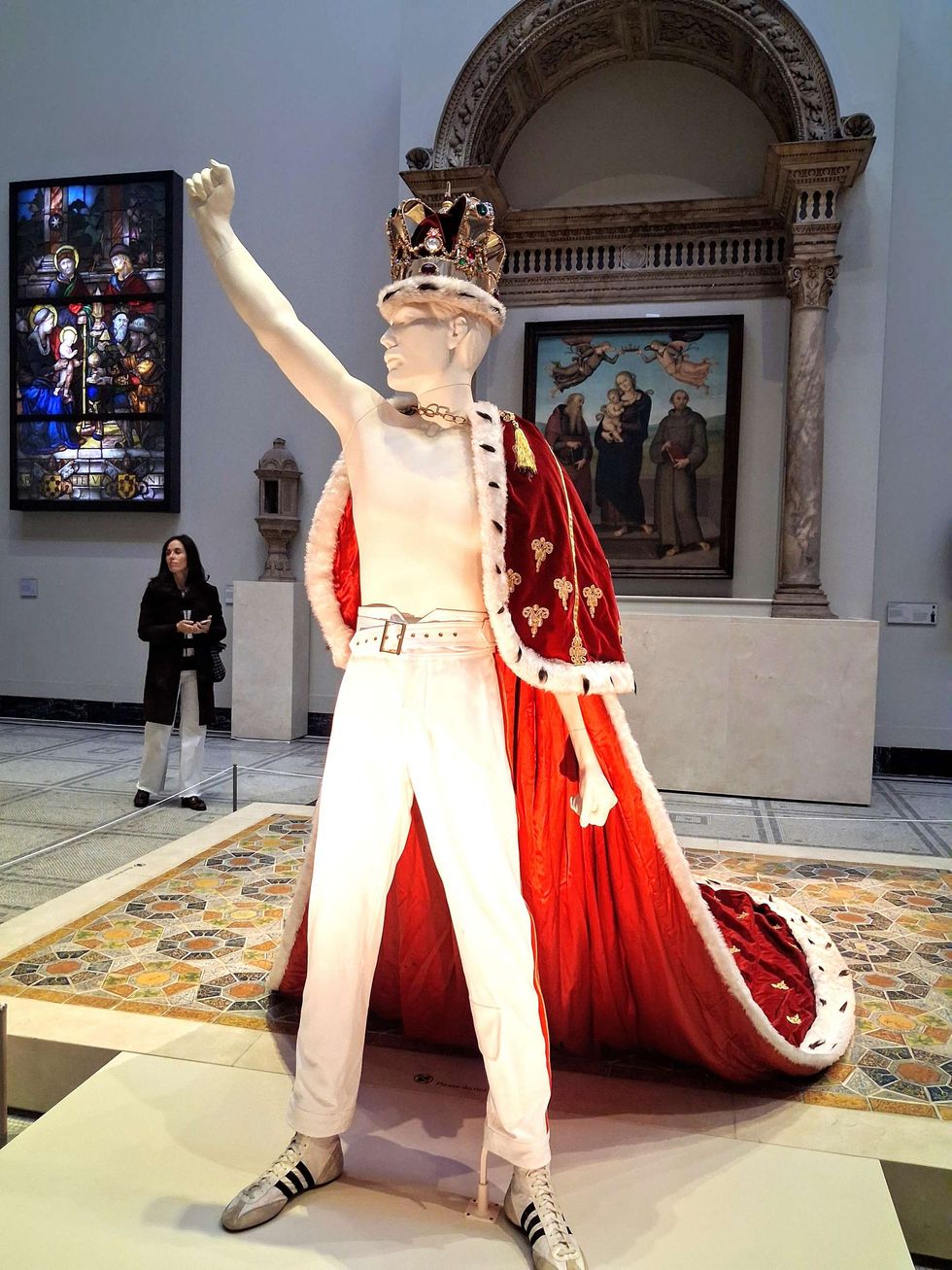 Cloak and crown ensemble (1986)Amit Roy
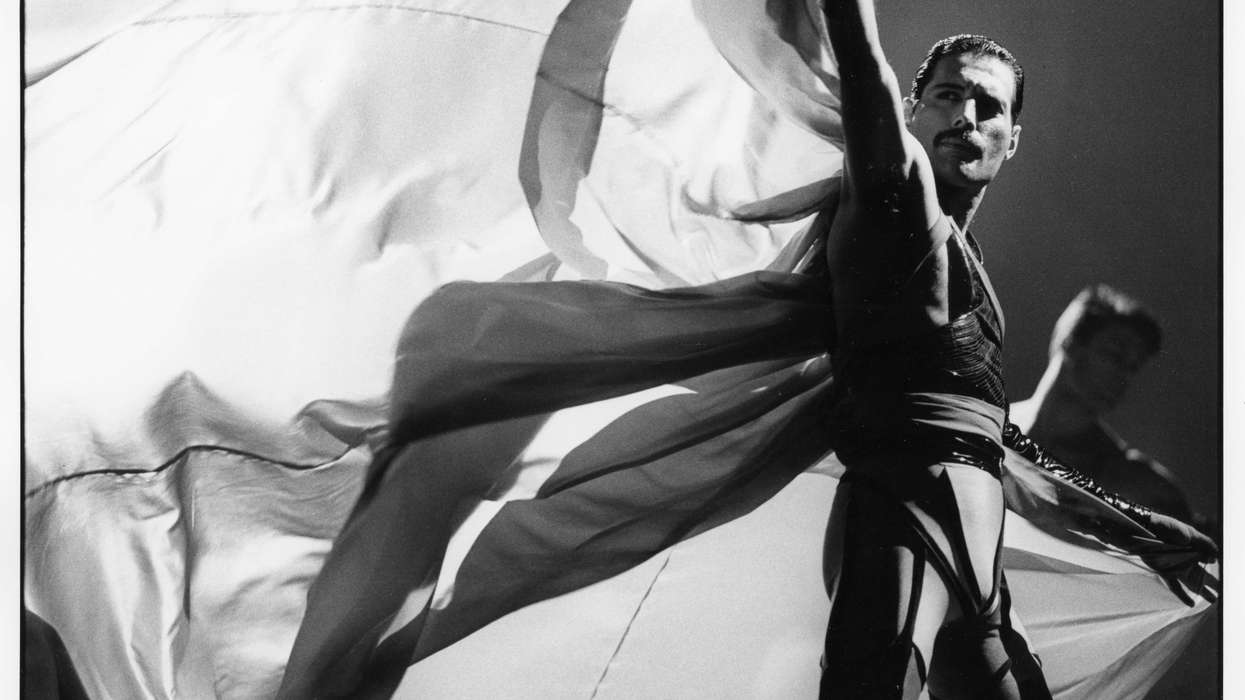
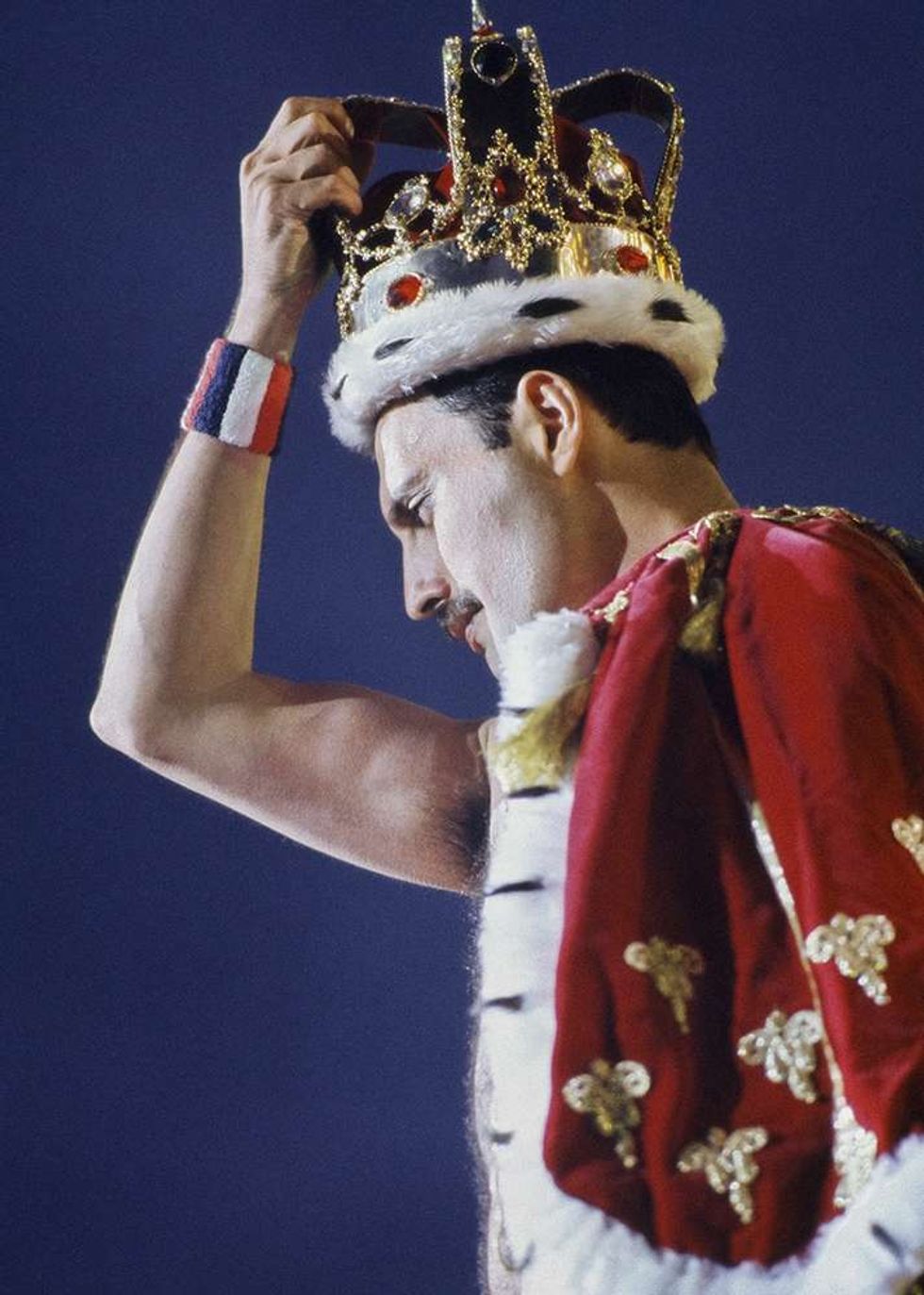 Freddie Mercury, Magic Tour (1986) Denis O’Regan