
Indian prime minister Narendra Modi and Chinese President Xi Jinping will meet on the sidelines of a G20 meeting this week, aiming to build on a thaw in ties after a military standoff on their disputed border last year, officials said.
The 3,500 km (2,200-mile) border between the nuclear-armed neighbours has been calm since Modi and Xi held several hours of talks in the Chinese city of Wuhan in April, agreeing to prevent political disputes escalating into confrontation.
Later this year, their two armies will hold joint exercises in a bid to build trust after their 73-day face-off in a remote, high-altitude stretch of the Himalayan border that stoked fears of war.
Modi's meeting with Xi at the G20 summit in Argentina will be their fourth this year, Indian Foreign Secretary Vijay Gokhale said.
"It was decided that they would take the opportunity whenever and wherever they could meet. They could discuss issues on either leader's mind or issues of mutual concern," Gokhale told reporters.
As well as long-standing disputes over their border, the two countries are vying for influence in the Indian Ocean and squabbling over Xi’s signature Belt and Road infrastructure initiative.
India has warmed up to the new government in the Maldives, offering financial help after it accused the previous government of striking secret deals with Chinese firms that have left the tiny country of 400,000 people in debt.
India and China are also aligned with opposing sides embroiled in political turmoil in Sri Lanka.
In Buenos Aires, the leaders of two of the world's fastest-growing economies are expected to endorse efforts to liberalise their trade, Indian officials said.
Negotiators from the two countries held talks in New Delhi on Wednesday (28) to try to prise open each other's farm markets.
China wants to export apples and dairy products and India is hoping to export skimmed milk products and buffalo meat, two Indian sources with direct knowledge of the matter said.
India banned the import of Chinese apples in 2017 after finding pesticides, while China restricted imports of Indian buffalo meat because of concern over foot and mouth disease.
Chinese vice minister Hu Wei and Indian Commerce Secretary Anup Wadhawan are leading the talks on the farm products as part of a broader trade package.
"India's primary interest is exporting skimmed milk products and for China it is apples," one of the officials told Reuters on condition of anonymity due to the sensitive nature of the discussions.
Their bilateral trade reached $89.6 billion in 2017/18 with a deficit of $62.9bn in China's favour.
Indian officials said that China, locked in a trade dispute with the United States, has been more flexible than before with regard to the possible opening up of its markets to Indian pharmaceutical products and IT services.
Reuters





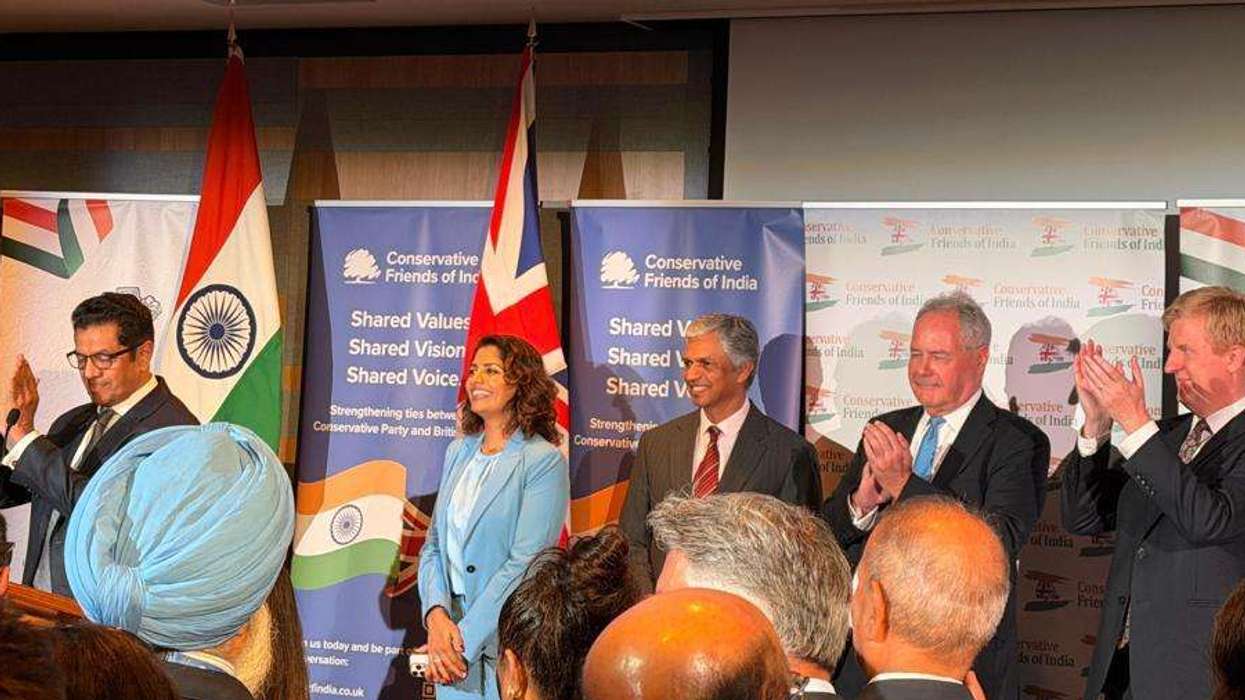
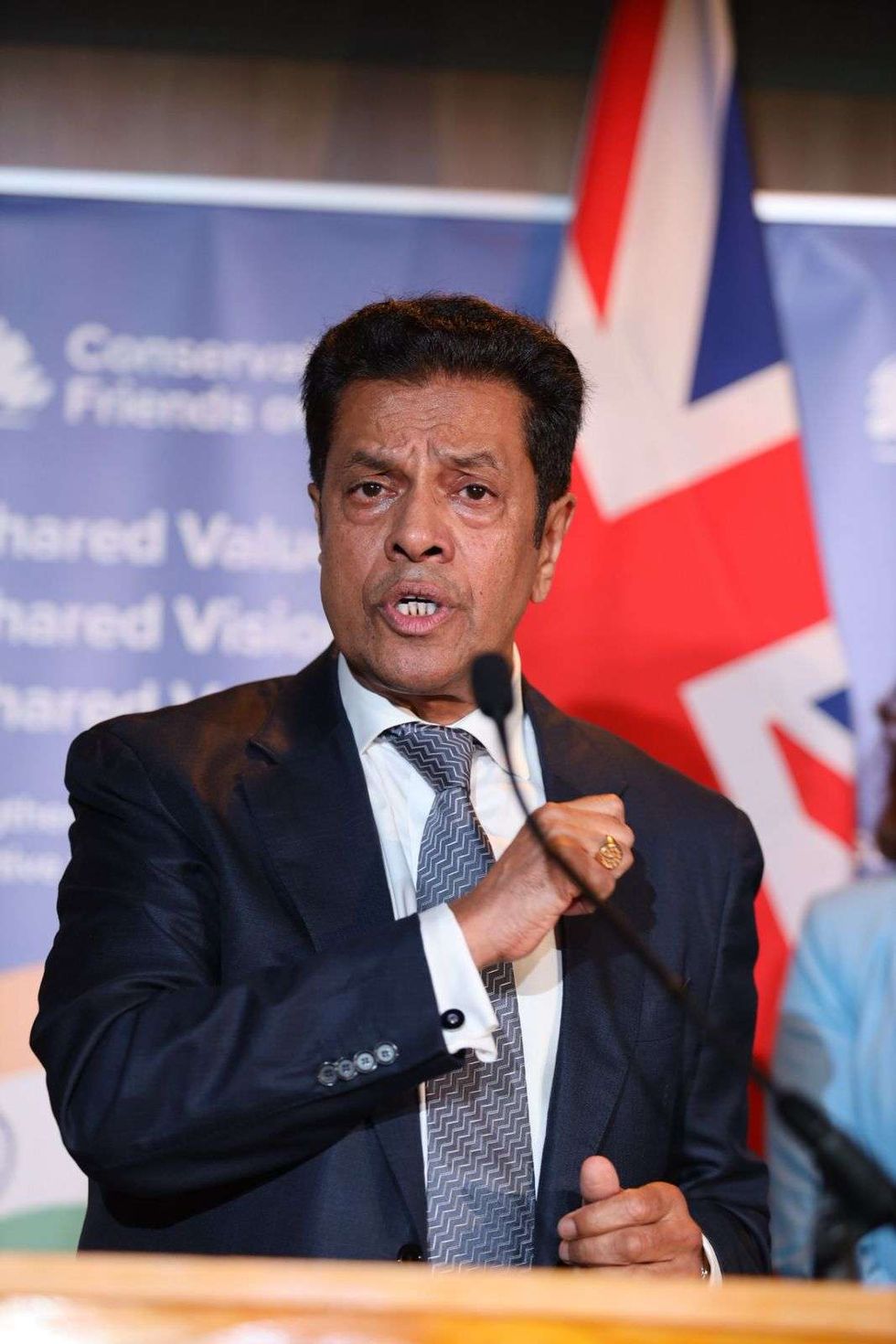 CFIndia co-chair Dr Koolesh Shah CFIndia
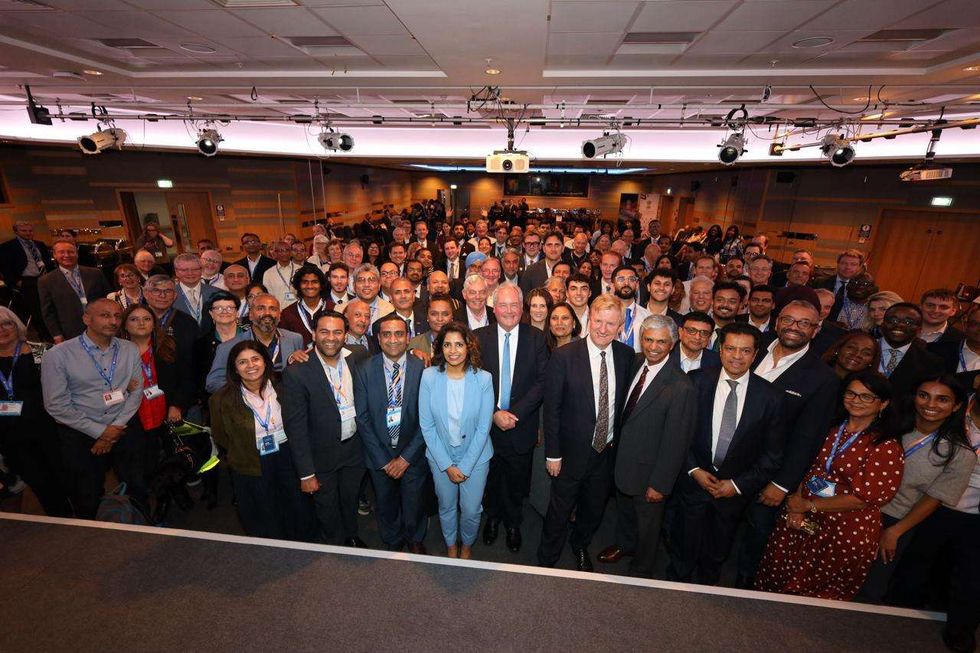 Nearly 500 attended the Conservative Friends of India event.CFIndia
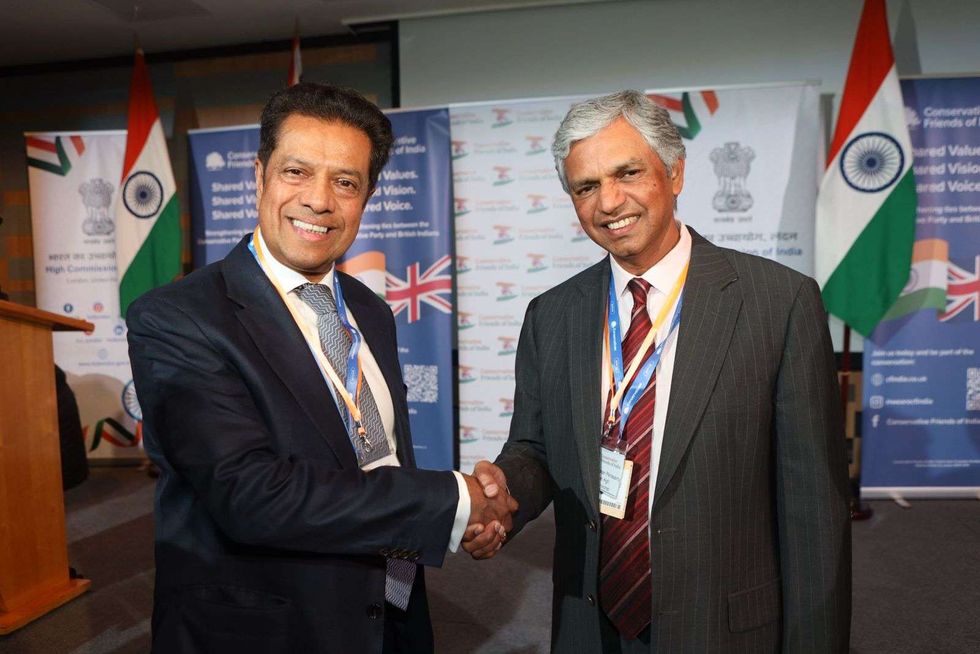 CFIndia co-chair Dr Koolesh Shah with Indian High Commissioner to the UK Kumaran PeriasamyCFIndia

