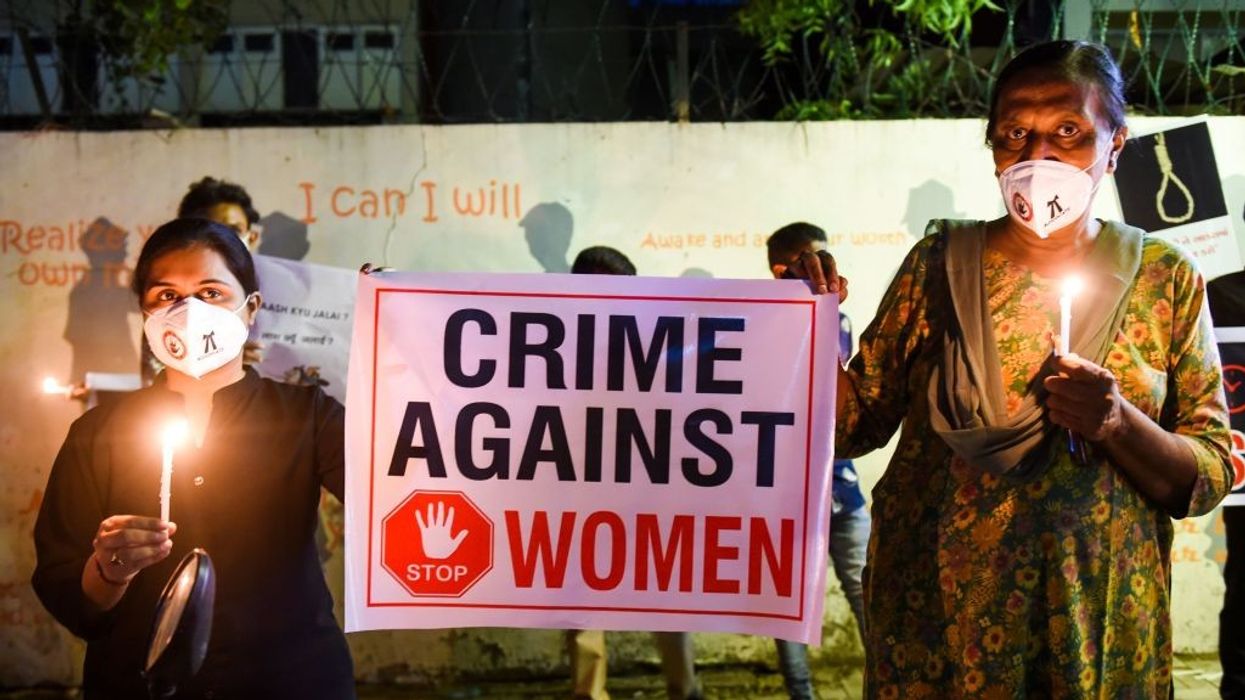

An Indian man accused of attempted rape has been given bail on condition that he wash and iron the clothes of all women in his village for six months.
Lalan Kumar, 20, will have to buy detergent and other items needed to provide six months of free laundry services to about 2,000 women in the village of Majhor in Bihar state, under the ruling made Wednesday.
Kumar, who washes clothes for a living, was arrested in April on charges including attempted rape, Santosh Kumar Singh, a police officer in Bihar's Madhubani district, told AFP.
No date has been set for his trial.
"All the women in the village are happy with the court decision," Nasima Khatoon, the head of the village council, told AFP.
"It is historic. It will boost respect for women and help to protect dignity," added Khatoon, one of the village dignitaries who will monitor Kumar.
Women in the village said the order had made a positive impact by making crime against women a subject of discussion in their community.
"This is a remarkable step and a different kind of punishment that sends a message to society," said Anjum Perween.
India's rape laws were overhauled after a 2012 gang rape in New Delhi but the number of offences remains high, with more than 28,000 rapes reported in 2020.
Police have long been accused of not doing enough to prevent violent crime and failing to bring sexual assault cases to court.





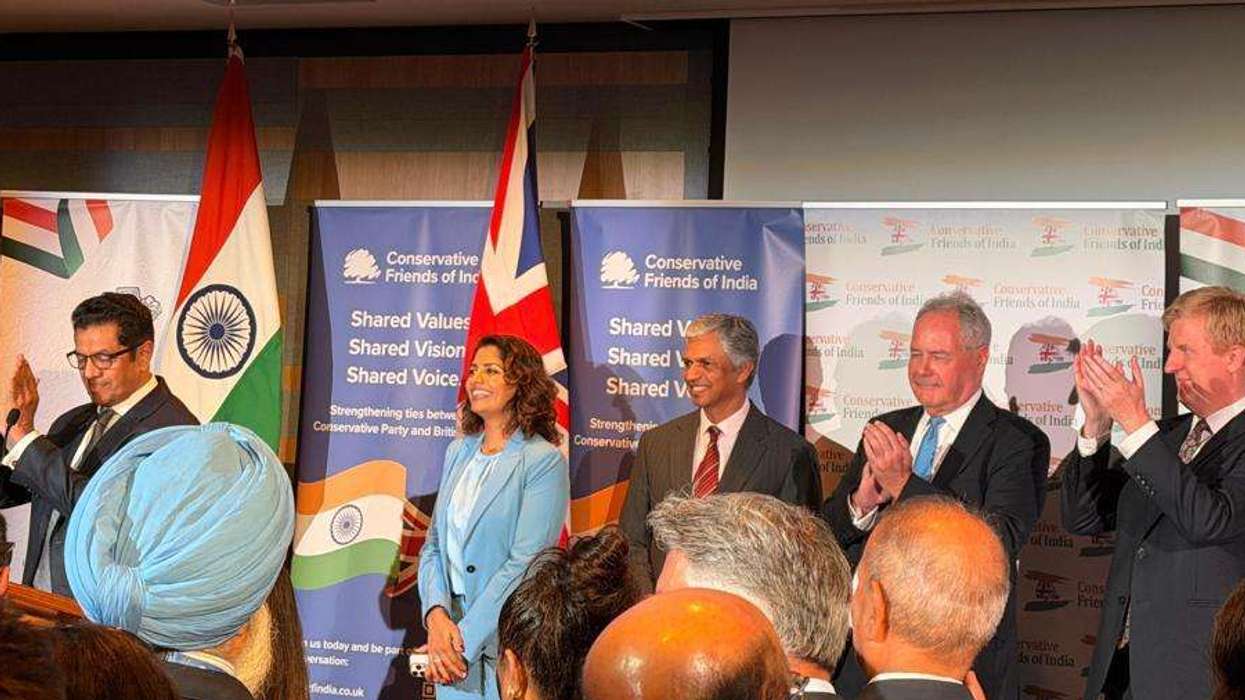
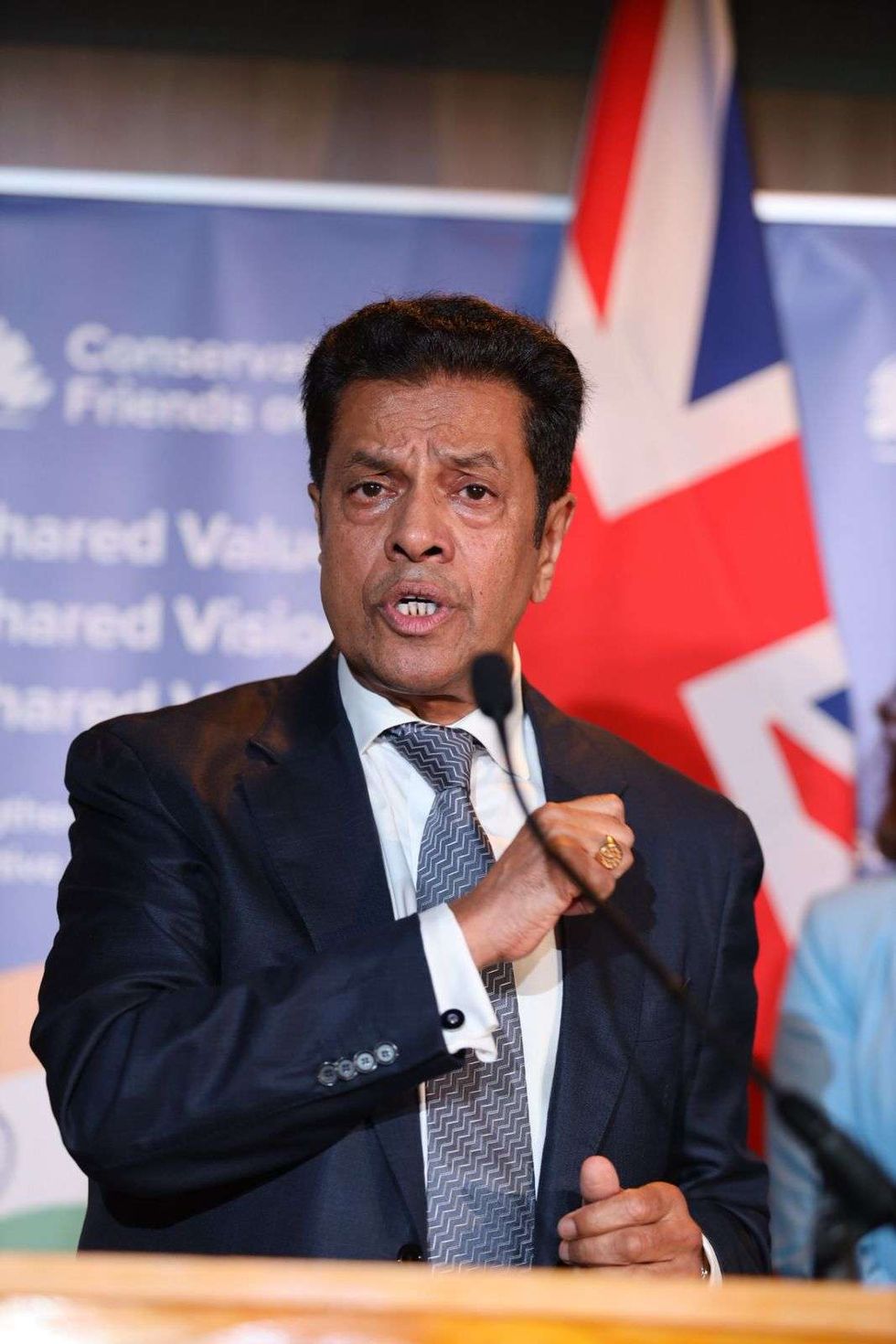 CFIndia co-chair Dr Koolesh Shah CFIndia
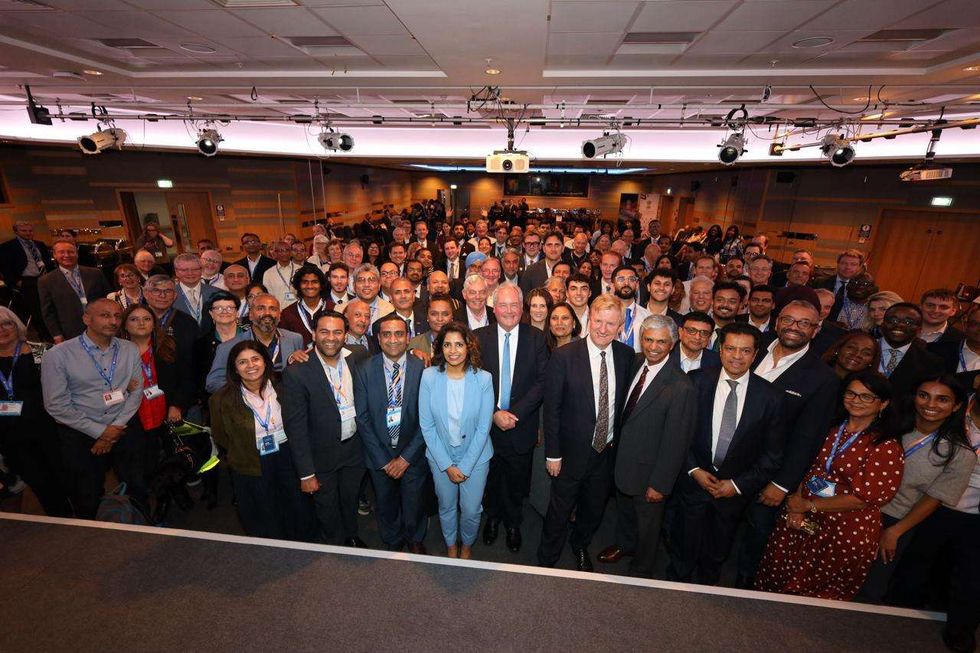 Nearly 500 attended the Conservative Friends of India event.CFIndia
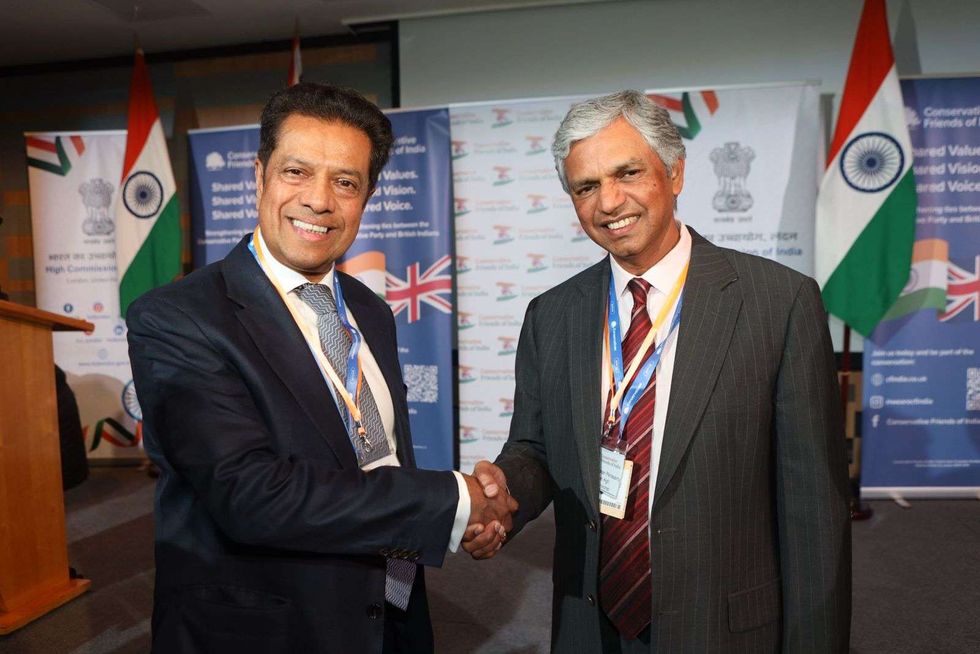 CFIndia co-chair Dr Koolesh Shah with Indian High Commissioner to the UK Kumaran PeriasamyCFIndia