
India has dismissed a US State Department report critical of human rights in the country, calling it deeply biased.
The report flagged significant abuses in Manipur state and highlighted instances of violence against minorities, journalists, and dissenting voices across the nation.
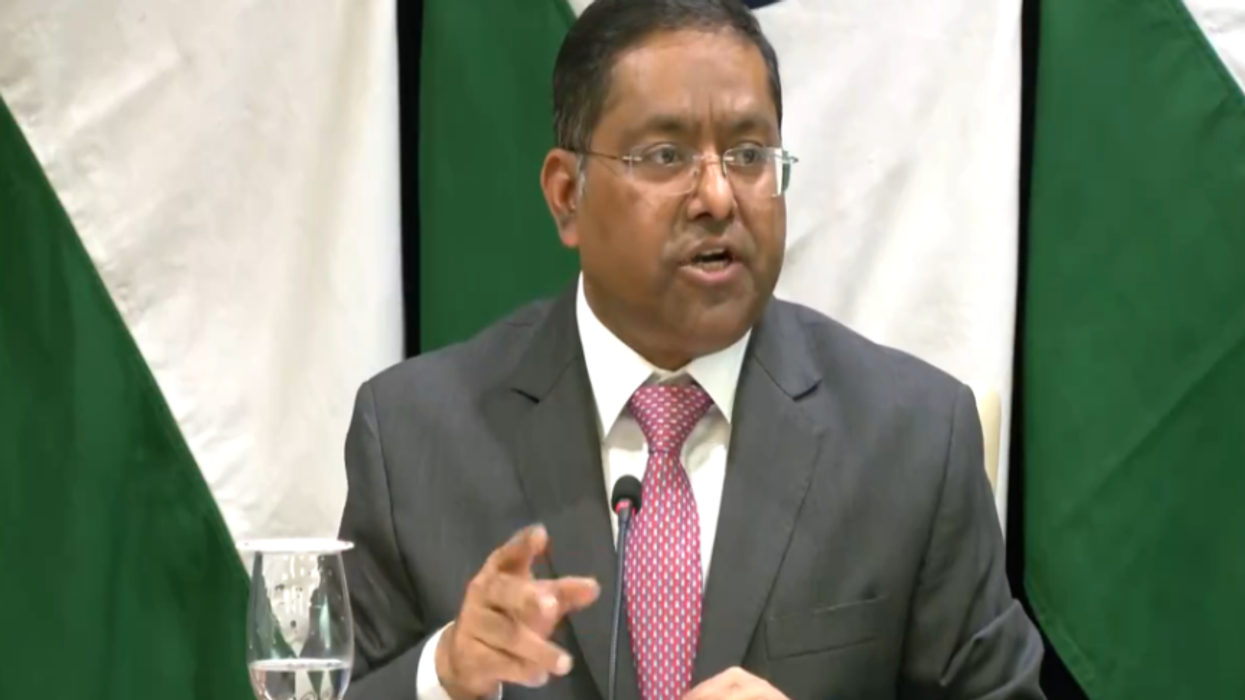
Indian foreign ministry spokesperson Randhir Jasiwal minced no words, stating, "We attach no value to it and urge you to also do the same."
In response to inquiries regarding protests on American campuses concerning Israel's actions in Gaza, Jasiwal underscored the necessity of striking a balance between freedom of expression and maintaining public order and safety.
He said, "Democracies in particular should display this understanding in regard to other fellow democracies, after all we are all judged by what we do at home and not what we say abroad."
While India and the US have a close partnership, the relationship has encountered some minor bumps recently.
In March New Delhi dismissed US concerns over the implementation of a contentious Indian citizenship law, calling them "misplaced" and "unwarranted", and objected to a US State Department official's remarks over the arrest of a key opposition leader.
Last year, Washington accused Indian agents of being involved in a failed assassination plot against a Sikh separatist leader in the US, and warned New Delhi about it.
India has said it has launched an investigation into Washington's accusations but there has not been any update about the investigation's status or findings.
(Reuters)