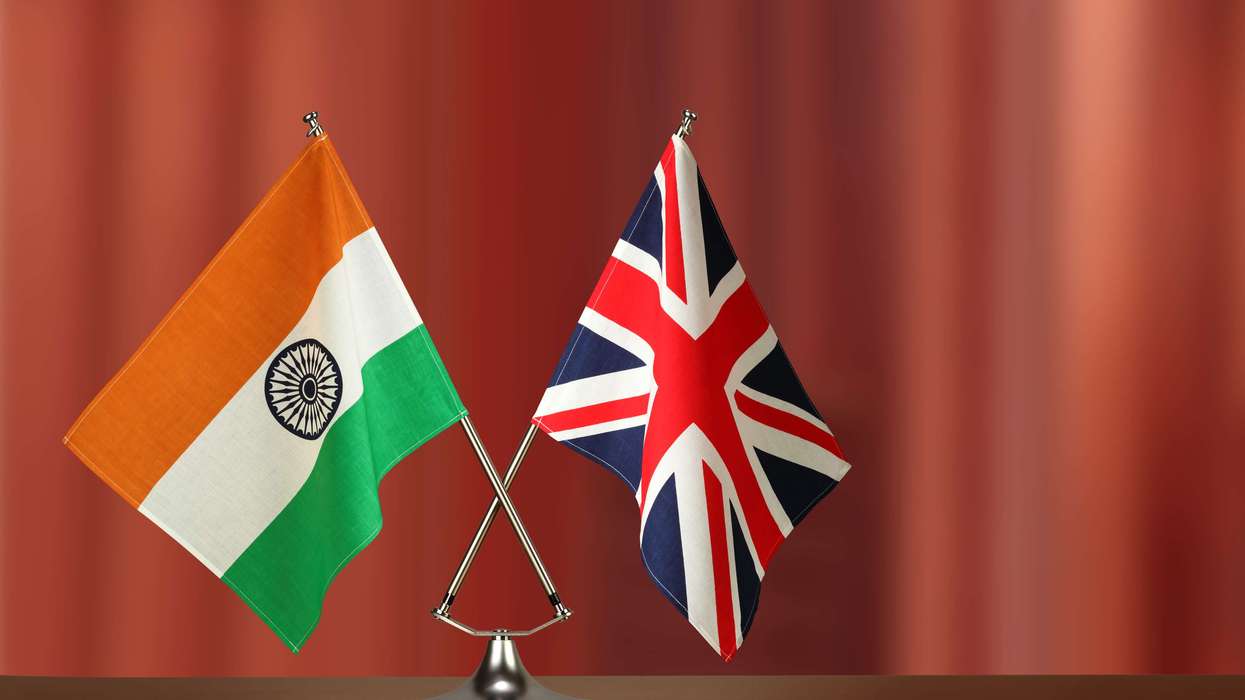

INDIA exported goods worth $140 million to the UK at zero duty on the first day of the Comprehensive Economic and Trade Agreement (CETA), which came into effect on Wednesday, Commerce Secretary Rajesh Agrawal said.
More than 50 export consignments worth over $140 million were shipped from over 20 ports, airports, Inland Container Depots (ICDs), Special Economic Zones (SEZs) and factories across the country under the agreement.
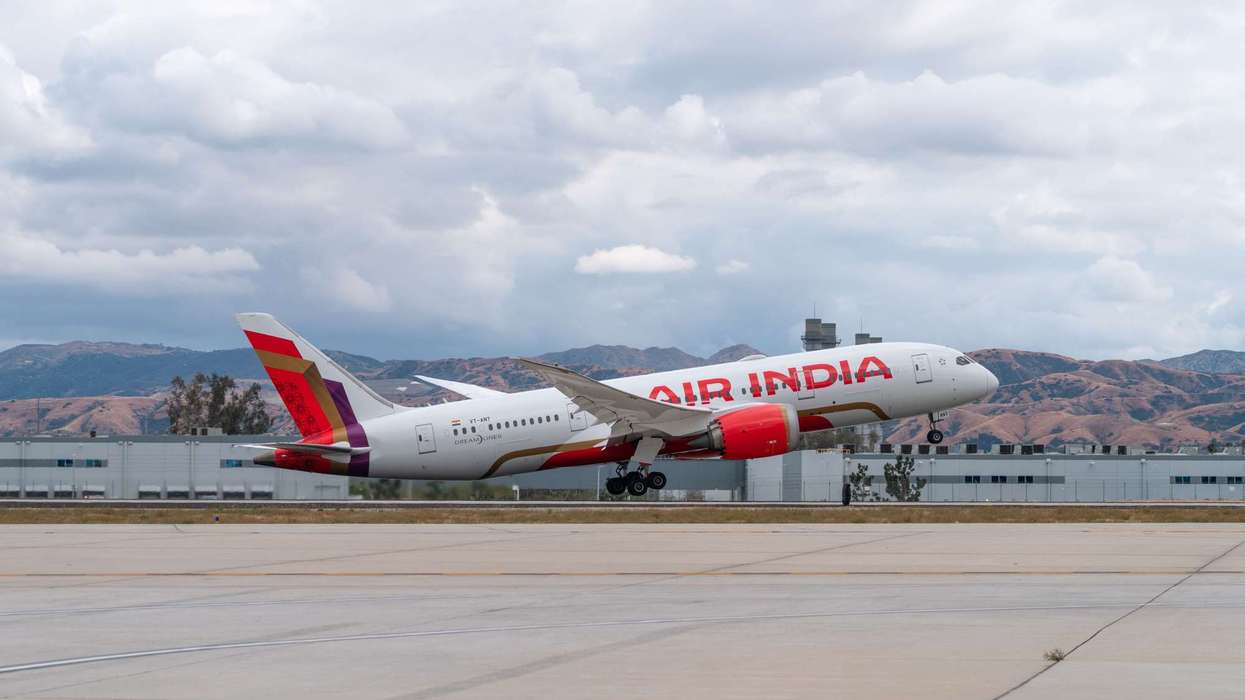
The consignments included electronics, pharmaceuticals, gems and jewellery, and were dispatched from locations including the seaports of Mundra, Nhava Sheva and Chennai, and air cargo complexes at Mumbai (Sahar), Kolkata and Hyderabad.
Agrawal said the agreement is between two major and complementary economies.
Calling CETA one of India's most aspirational trade agreements, he said more than 800 technical sessions were held over 14 formal rounds of negotiations before the pact was concluded.
"It is a win-win agreement between the two countries, which will have a shadow across economic relations," Agrawal said while addressing industry representatives and exporters on the day the agreement came into effect.
He said the Department of Commerce would work with export promotion councils to help industrial clusters understand the benefits of the agreement.
The agreement provides duty-free access to nearly 99 per cent of Indian exports from sectors including leather, footwear, textiles, mechanical and electrical machinery, plastics, base metals, marine products, and gems and jewellery.
These sectors were previously subject to import duties in the UK ranging from 2 to 16 per cent.
British High Commissioner to India Lindy Cameron said the agreement is expected to increase bilateral trade by more than 25 billion pounds annually over the long term and contribute nearly 5 billion pounds a year to the GDP of both the UK and India.
The pact includes a chapter on government procurement that gives Indian suppliers legal access to the UK government procurement market worth about GBP 90 billion ($122 billion).
India is offering reciprocal opportunities worth about $114 billion to UK suppliers.
UK suppliers will receive treaty-backed access to covered central government procurement in India, while firms meeting a 20 per cent UK-content threshold may qualify as Class 2 Local Suppliers.
Additional Secretary in the Department of Commerce Darpan Jain said the agreement contains safeguards to protect domestic MSMEs.
"India reserves the right to grant preferential treatment to its MSMEs as per its policy. So that is not affected," he said, adding that the government procurement commitments do not apply at the state level.
He said that even at the central government level, the commitments do not cover all departments, PSUs and entities.
"There are selected entities to which it is applicable," Jain said, adding that UK firms will not be allowed in strategic sectors.
He said UK firms can participate only in government procurement contracts valued above Rs 5.5 crore. For construction contracts, the threshold is above Rs 60 crore.
Responding to concerns raised by some quarters on intellectual property rights, Jain said the agreement does not prevent the Indian government from using compulsory licensing (CL).
Under World Trade Organization rules, compulsory licensing allows a government to permit someone else to produce a patented product or process without the consent of the patent holder in the public interest.
India has issued only one compulsory licence so far, for the cancer drug Nexavar in 2012 under exceptional public health circumstances.
India and the UK are continuing discussions on the Carbon Border Adjustment Mechanism (CBAM).
The UK announced in December 2023 that it plans to implement the mechanism from 2027.
According to economic think tank GTRI, India's exports worth $775 million to the UK could be affected by Britain's plan to impose a carbon tax on products such as iron and steel, aluminium, fertiliser and cement from 2027.
An official said the proposal is also being debated within the UK.
"They also have people who are saying it is required, some people saying it is not required. So, they are still deliberating upon this. They have not yet taken a final view on it," the official said.
"But we have made it very clear. Whenever you (UK) take a final view, if it affects our exports, then we would definitely seek an adjustment. And we are engaged with them on the issue," the official added.
The agreement states that if the UK introduces a carbon tax in future and it adversely affects Indian exports, New Delhi may withdraw certain concessions.
Asked whether the inclusion of chapters on gender, SMEs, environment and labour affects India's policy space, Jain said there is no dispute settlement mechanism under these chapters.
"So, the UK cannot take us to dispute that you are not doing this, you are in violation of this," he said, adding, "all our laws, whether in gender or labour or in environment, all our laws are actually aligned to whatever international treaties we are agreeing to".
The official said there was nothing to worry about as India is doing more than many other countries in these areas.
"Our policies are more progressive," the official added.
(With inputs from agencies)