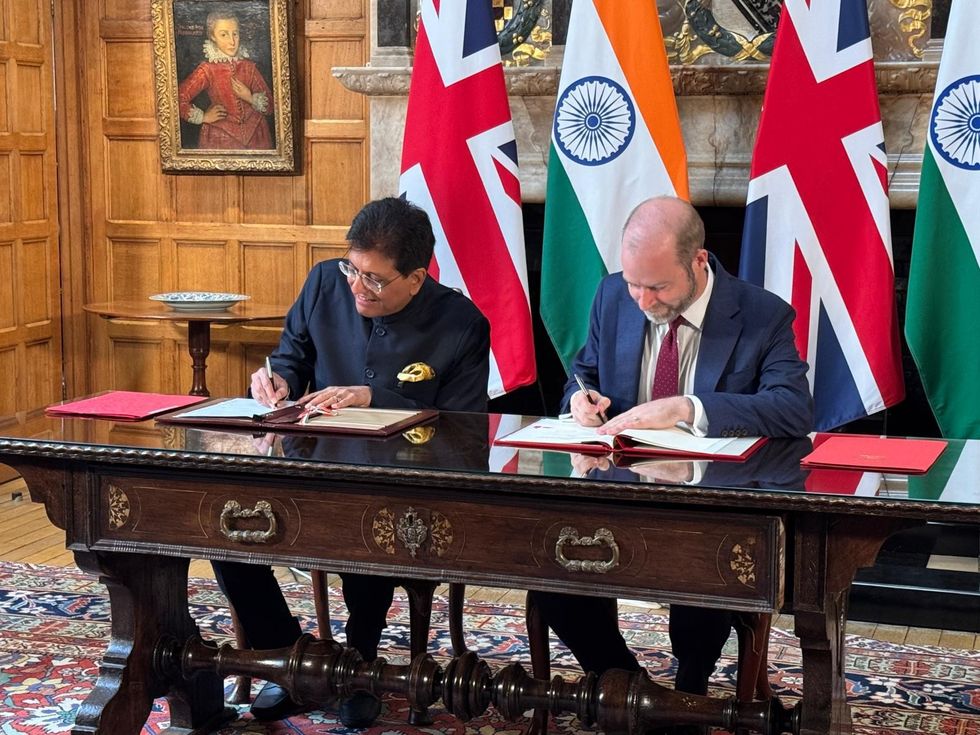
INDIA and the United Kingdom signed a landmark Free Trade Agreement (FTA) on Thursday during Indian prime minister Narendra Modi’s brief visit to the UK. The deal, finalised after three years of negotiations, aims to boost annual bilateral trade by around £25.5 billion.
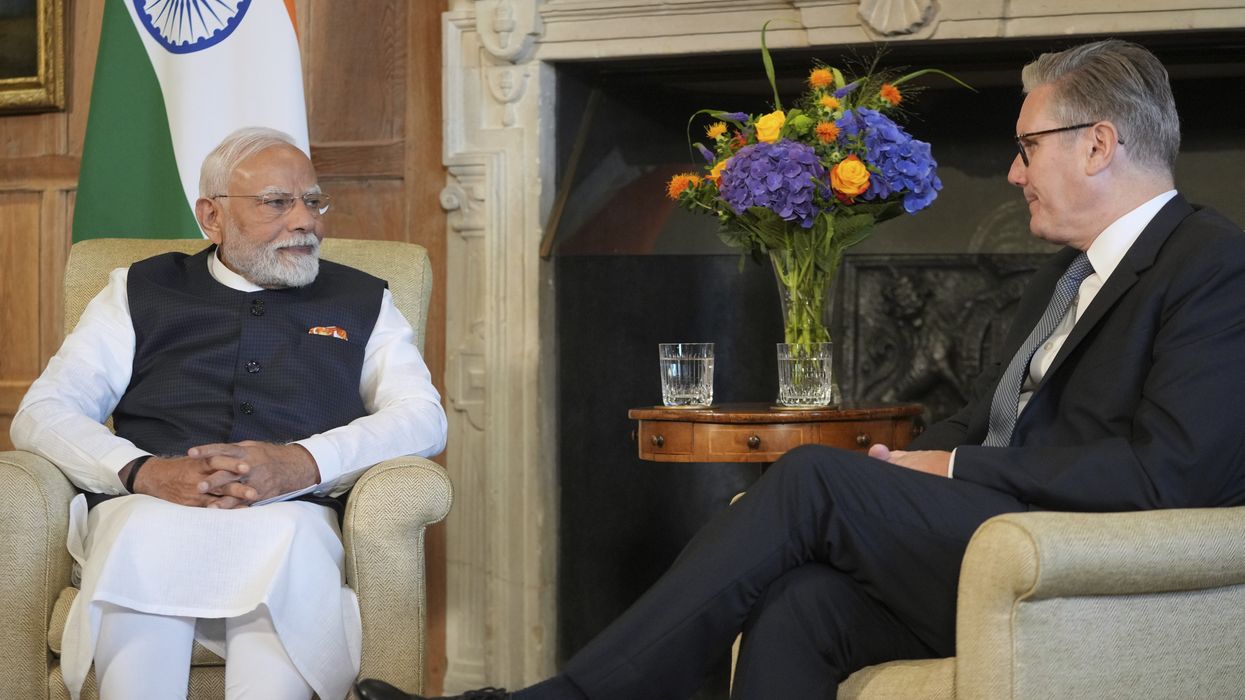
The agreement was signed by India’s commerce minister Piyush Goyal and the UK’s secretary of state for business and trade Jonathan Reynolds following formal talks between Modi and prime minister Keir Starmer at Chequers, northwest of London.
Modi arrived in London at around 8.30 pm on Wednesday and is scheduled to leave later on Thursday, spending less than 24 hours in the country.
ALSO READ: Explainer: What UK-India FTA means for both countries
After the signing, Modi was expected to have lunch with Starmer and meet King Charles at Sandringham.
 getty images
Deal details and economic impact
The agreement will reduce tariffs on a wide range of goods and services. India will lower tariffs on nearly 90 per cent of UK goods. Scotch whisky tariffs will fall from 150 per cent to 75 per cent immediately and reduce to 40 per cent over the next decade. Tariffs on cars will drop from over 100 per cent to 10 per cent under a quota system. The UK will also cut tariffs on cosmetics, medical devices, salmon, chocolates, biscuits, clothes, footwear, and food products such as frozen prawns.
The UK will offer duty-free access to 99 per cent of Indian goods. Indian exports including textiles, footwear, gems and jewellery, auto components, chemicals, furniture and machinery will benefit. Average tariffs UK firms face in India will fall to 3 per cent from 15 per cent.
ALSO READ: Starmer and Modi strengthen UK-India relations at Chequers
According to the UK government, the agreement is expected to increase UK GDP by £4.8 billion annually in the long term. The UK and India are the sixth and fifth largest global economies, respectively, with current bilateral trade worth around £41 billion. The deal is the UK’s most economically significant bilateral trade agreement since leaving the European Union.
- YouTube www.youtube.com
Statements from leaders
Standing alongside Modi, Starmer said, “This is not the extent or the limit of our collaboration with India. We have unique bonds of history, of family and of culture and we want to strengthen our relationship further, so that it is even more ambitious, modern and focused on the long term.”
He described the agreement as a “landmark moment” and said it would bring “huge benefits” for both countries, making trade “cheaper, quicker and easier.”
Modi called the deal a “blueprint for our shared prosperity” and said the visit would “go a long way in advancing the economic partnership between our nations.”
- YouTube www.youtube.com
Other provisions and agreements
The FTA includes provisions for temporary business visitors, contractual service providers, yoga instructors, chefs, and musicians, though visa arrangements are not covered.
Indian workers and their employers on temporary postings in the UK will be exempt from paying social security contributions, with estimated annual savings of around £342 million.
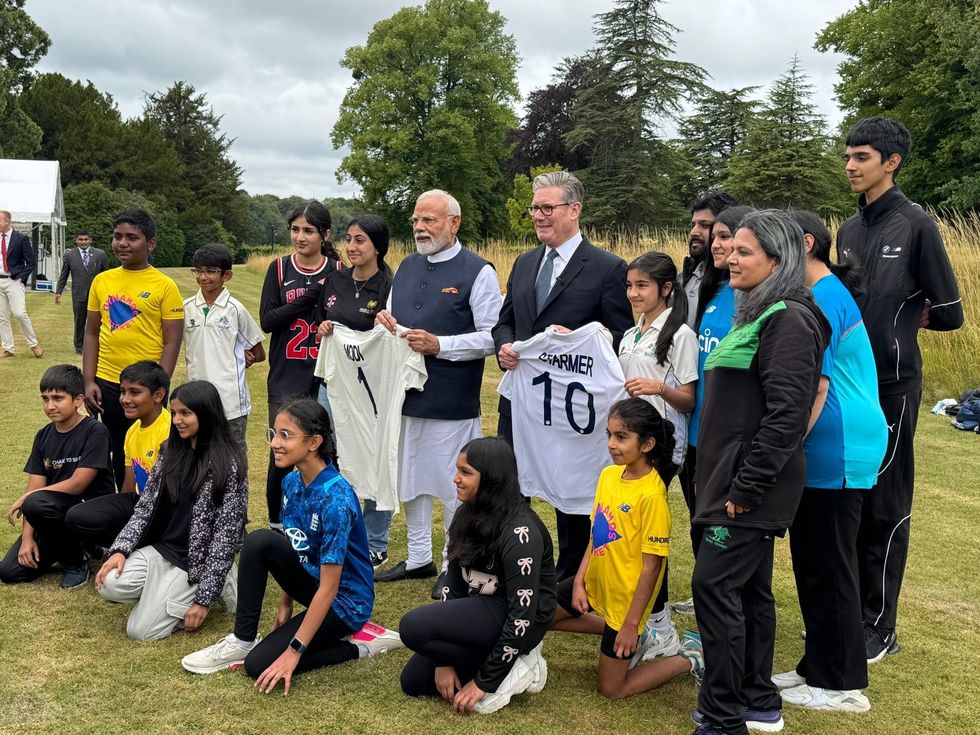 Modi and Starmer meet children playing cricket at Chequers.
UK businesses will gain access to India’s non-sensitive government procurement market, which includes about 40,000 tenders worth around £38 billion annually.
The agreement also covers services such as insurance and includes provisions for British firms to participate in Indian projects in areas like clean energy.
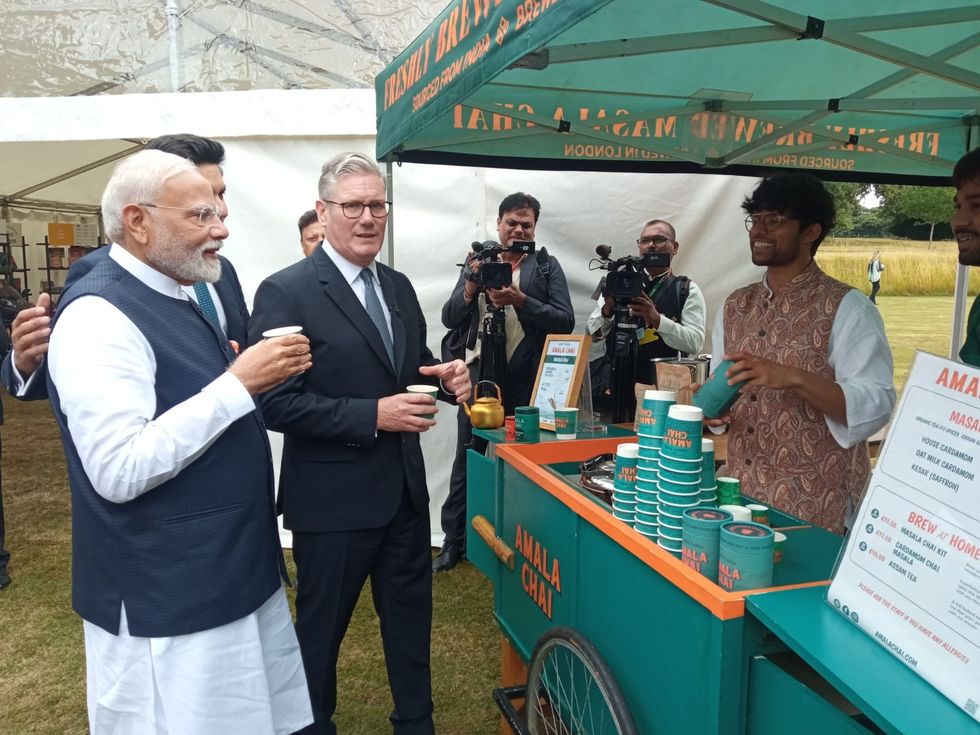 Modi and Starmer having tea at Chequers.
India did not receive an exemption from the UK’s Carbon Border Adjustment Mechanism (CBAM), which will come into effect in 2027. Talks on a separate bilateral investment treaty are still ongoing.