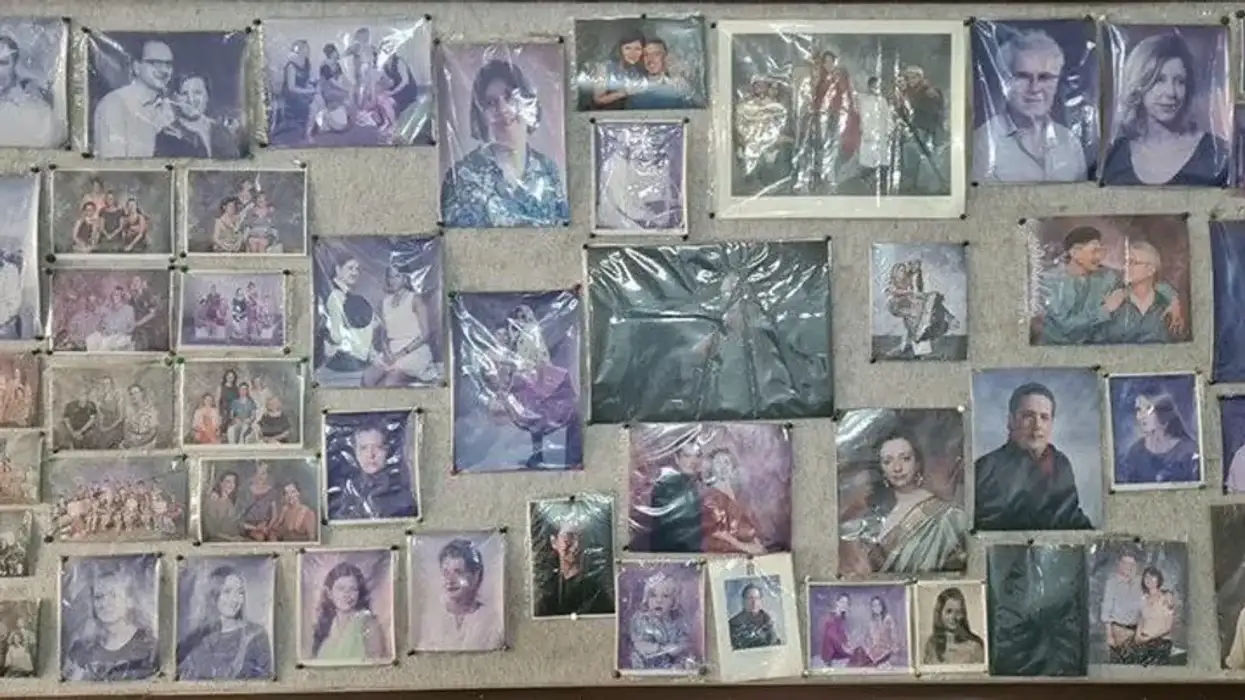

COVENTRY UNIVERSITY in the UK is spearheading a new research initiative aimed at digitising approximately 20,000 images, prints, and documents from the two decades following India's Partition in 1947.
These materials, housed at Hamilton Studios in Mumbai, span nearly a century of Indian history and include over 600,000 objects, according to a statement from the university on Tuesday (20).
The digitisation project focuses on the period up to 1967, capturing the history of the Indian subcontinent during its division into India and Pakistan at the end of British colonial rule.
Inspired by the success of Coventry Digital, an online archive of over 70,000 local images, videos, and documents, Coventry University is applying a similar approach to preserving India's cultural heritage.
"The success of Coventry Digital has demonstrated the power of digital technology in preserving and sharing cultural narratives,” said Project Lead Ben Kyneswood, Associate Professor of Digital Heritage and Culture at Coventry University's Research Centre for Creative Economies.
“I am eager to extend this legacy to the preservation of India's cultural heritage, ensuring that future generations have access to these invaluable historical records,” he said.
He will collaborate with Hamilton Studios and the National Institute for Design (NID) in Ahmedabad to digitise the Partition materials. The project aims to bridge historical divides, foster cultural preservation and illuminate how the Partition continues to shape the stories of India and its people.
Many of the objects in the collection are passport photographs, reflecting the intention to travel from Mumbai, then Bombay. Other digital assets include glass and celluloid negatives to produce high-quality reproductions of historical photographs; test prints and invoices to reveal photographic techniques and economic details; legal documents to shed light on legal frameworks; and products for advertisement to illustrate the marketing strategies and consumer culture of the time.
Beyond migration narratives, the project captures a diverse range of experiences and stories from the era, including the lives of maharajas as well as weddings, celebrations, business tycoons, marketing endeavours, family and office groups and vibrant street scenes.
The Hamilton Studios project is supported by the Modern Endangered Archives Programme at the University of California Los Angeles (UCLA) Library with funding from Arcadia, a charitable foundation that works to protect nature, preserve cultural heritage and promote open access to knowledge. (PTI)



