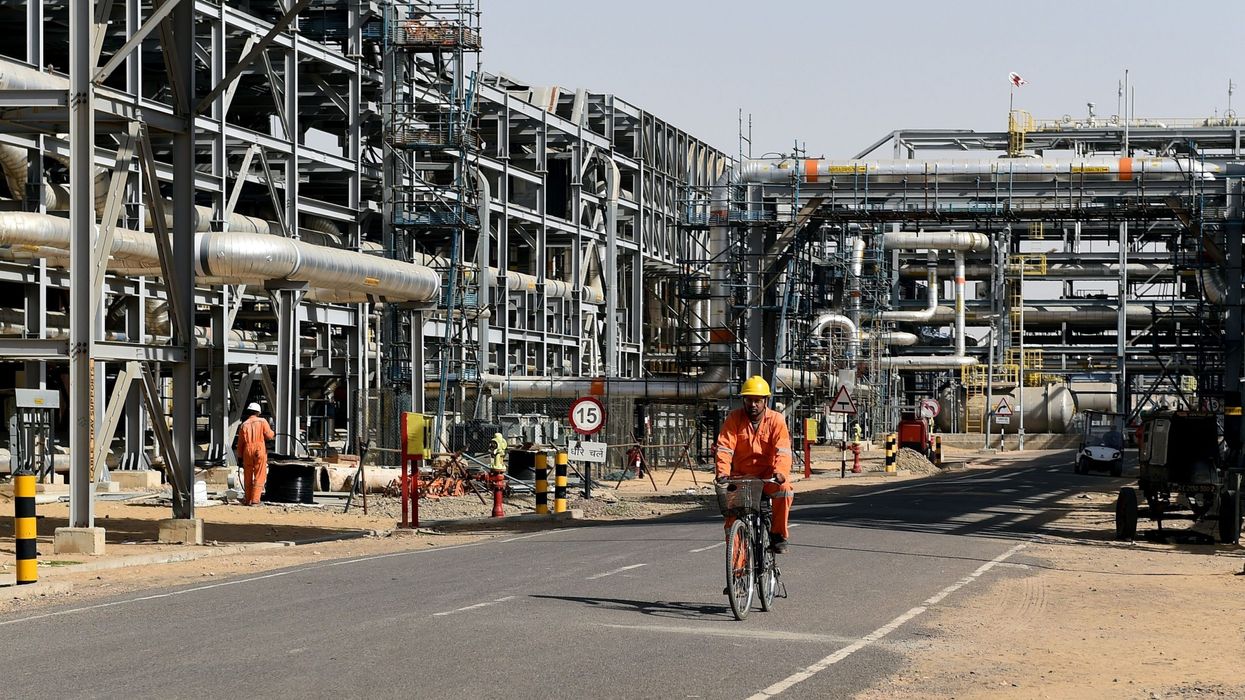

AFTER scrapping the retrospective tax law, India expects to refund $1billion (£720 million) to British company Cairn Energy, the Financial Times reported.
On Friday, the lower house of parliament approved a draft law, cancelling a 2012 policy that enabled the Indian government to tax some foreign investments retrospectively. The upper house is expected to approve the law next week.
With this new development, New Delhi would also drop $13.5bn (£9.7bn) in outstanding claims against multinationals such as telecoms group Vodafone, pharmaceuticals company Sanofi and brewer SABMiller, now owned by AB InBev, the newspaper said.
The move is seen as part of efforts to repair the country’s damaged reputation as an investment destination.
As per analysts the change in law would allow New Delhi to resolve a bitter international tax battle with Cairn that has grown increasingly embarrassing for India.
In recent months, the UK energy group has sought to seize the Indian government’s estimated $70bn (£50bn) worth of overseas assets.
The government hopes the resolution of the dispute can support its reputation among foreign companies as it seeks new investment to revive India’s Covid-hit economy.
“We want to give a message to the investors that the country believes in the stability and certainty of taxation,” Tarun Bajaj, revenue secretary said on Friday (6).
“Taxation is a sovereign right and can’t be taken away. But we should use it sparingly, judiciously,” he said.
Bajaj added about $1.2bn (£864m) collected from companies under the retrospective tax law would be refunded if the companies agreed to drop outstanding litigation, including claims for interest and penalties.
About $1bn (£720m) of this would go to Cairn and $270 million (£194m) to other groups including Vodafone, he added.
He further added that India would drop about a dozen pending tax cases on which no collections have been made but which are valued along with interest and penalties.
“All the demands that have been created will be nullified,” Bajaj said. But to settle, the affected companies would “agree only to accept the principal amount, and not interest or anything else”.
In December last year, a three-member international arbitration tribunal overturned levy of retrospective taxes on Cairn and ordered India to refund shares sold, dividend confiscated and tax refunds withheld to recover such taxes.