
Highlights
- India says it is “closely following” the new trilateral defence agreement.
- Saudi Arabia, Turkey and Pakistan pledge collective defence against aggression.
- Riyadh says the pact is not a military axis or threat to other countries.
- Analysts say the agreement reflects Saudi Arabia’s push to diversify its security partnerships.
INDIA said it is “closely following” the new defence agreement between Saudi Arabia, Turkey and Pakistan, as the three countries move to deepen military cooperation amid growing tensions across the region.
Ministry of External Affairs spokesperson Randhir Jaiswal made the comments on Friday (7) when asked about the agreement during a weekly media briefing.
“This is also a development that we are closely following, and we shall keep you updated,” Jaiswal said.
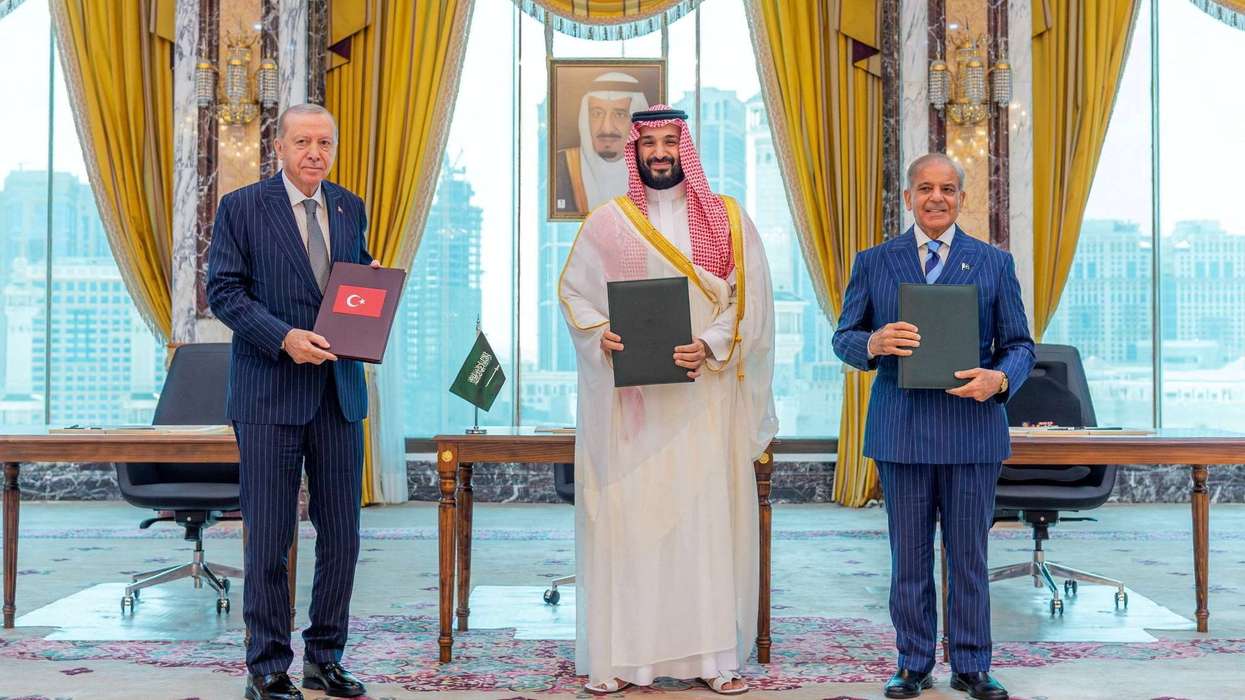
The response came after Saudi Crown Prince Mohammed bin Salman, Turkish President Recep Tayyip Erdogan and Pakistani prime minister Shehbaz Sharif signed the Mecca Joint Defence Agreement in Saudi Arabia.
It has attracted attention in India as Pakistan’s foreign ministry said it establishes a collective defence commitment under which an armed attack against one of the three countries would be regarded as an attack against all.
“The Agreement is intended to strengthen collective deterrence against any act of aggression,” Pakistan’s foreign ministry said. It added that the pact would enhance “all aspects of defence cooperation” between the three countries.
According to reports, the agreement is expected to cover areas including joint military exercises, training, intelligence sharing and technology cooperation.
Saudi wants to widen security relationships
The pact comes as Saudi Arabia faces a wider security crisis linked to the conflict involving Iran, the United States and armed groups in the region. Saudi infrastructure and oil facilities have faced attacks, while fighting and threats to shipping have disrupted key trade routes including the Strait of Hormuz and the Red Sea.
Riyadh has increasingly sought to widen its security relationships beyond its traditional dependence on the United States.
Saudi Arabia, Turkey and Pakistan said in a joint statement that they shared a commitment to strengthening collective security and promoting “peace, security and stability in the region and beyond”.
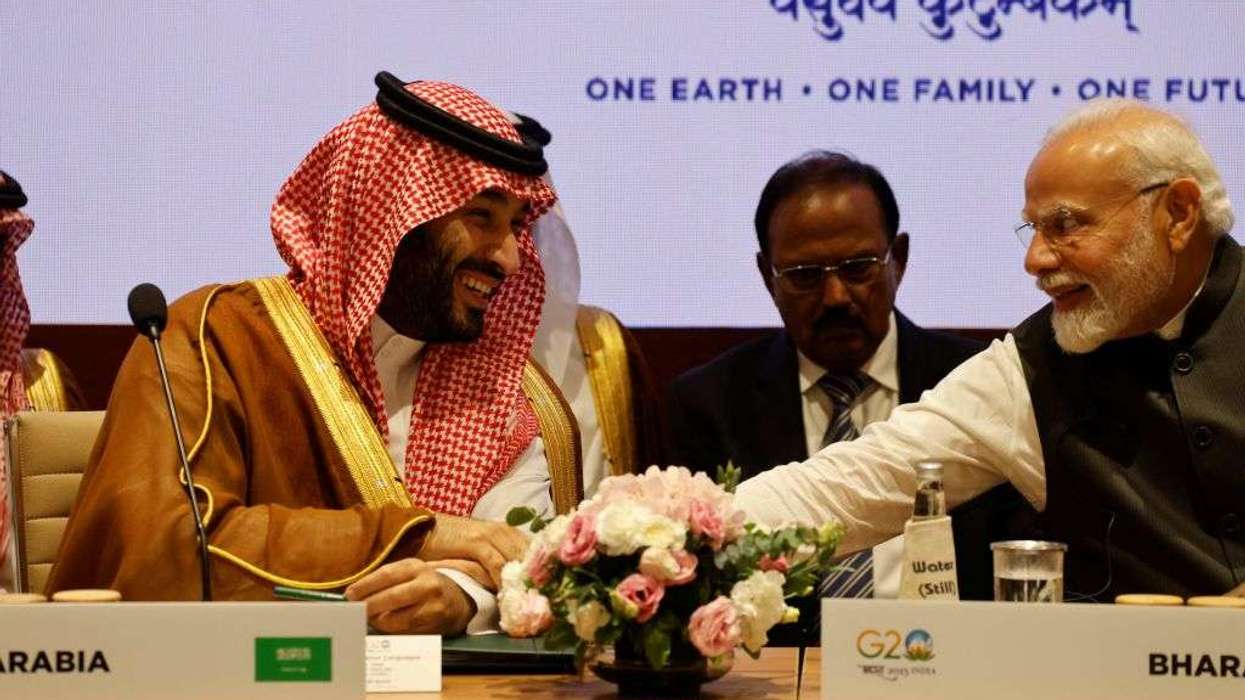 FILE PHOTO: India's prime minister Narendra Modi (R) and Saudi Arabia's Crown Prince Mohammed bin Salman speak during a session as part of the G20 Leaders' Summit at the Bharat Mandapam in New Delhi on September 9, 2023. (Photo by LUDOVIC MARIN/POOL/AFP via Getty Images)
However, Turkey sought to make clear that the agreement was not directed at a specific country. Ankara said the pact was “not aimed at any particular country” and did not conflict with Turkey’s existing international commitments, including its role in NATO.
Saudi Arabia also rejected the idea that the agreement was designed to create a new military bloc.
“The agreement does not represent an effort to establish a military axis or a sectarian bloc,” Saudi deputy minister for public diplomacy Rayed Krimly said. He said it was also not connected to “any nuclear ambitions or arms race” and was focused on building “sustainable capabilities”.
Krimly added that the agreement “does not constitute a threat to the security of any country in the region”.
A broader shift in security arrangements
Analysts nevertheless see the pact as part of a broader shift in regional security arrangements.
Umar Karim, an expert on Saudi foreign policy at the University of Birmingham, said the alignment was “clearly oriented towards Iran” and could give Turkey and Pakistan additional leverage because both countries share borders with Iran.
Andreas Krieg of King’s College London said Saudi Arabia was seeking to diversify its security partnerships rather than replace the United States.
“Saudi Arabia, Turkey and Pakistan are not trying to replace the United States,” he said. “They are building the capacity to protect their interests when Washington cannot or will not do so.”
He said Riyadh wanted “several layers of security rather than one American umbrella”.
The agreement also builds on closer Saudi-Pakistani defence ties. The two countries had already announced a mutual defence pact in 2025.
The latest deal comes as tensions with Yemen’s Iran-backed Houthi rebels have also increased. The Houthis have carried out attacks in the region and threatened shipping, adding pressure on Gulf states already dealing with disruption around the Strait of Hormuz and the Red Sea.
Saudi Arabia has backed Yemen’s internationally recognised government against the Houthis since 2015. A truce reached four years ago largely held until fighting intensified again in recent weeks.
(with inputs from agencies)



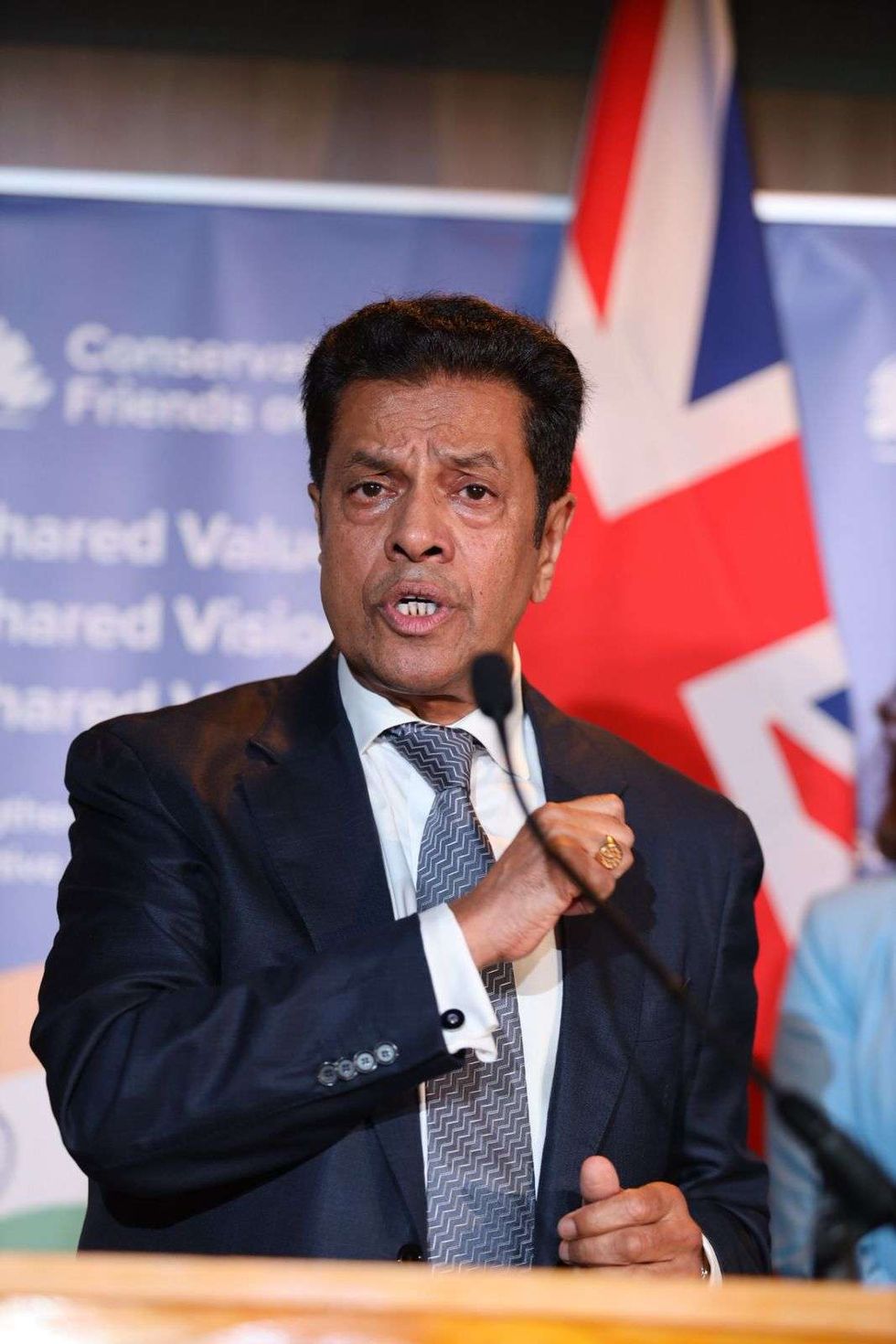 CFIndia co-chair Dr Koolesh Shah CFIndia
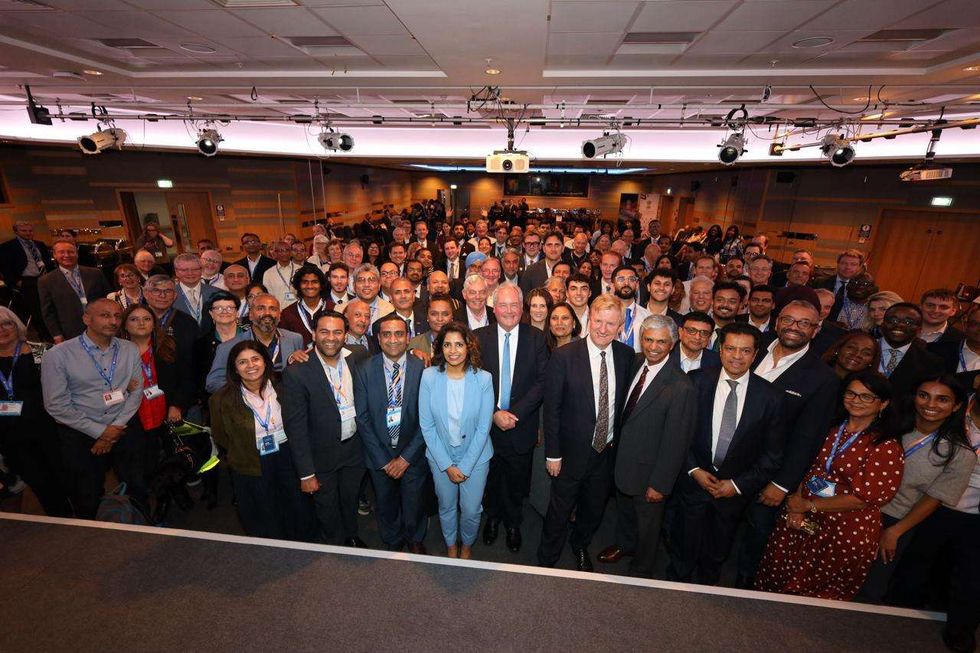 Nearly 500 attended the Conservative Friends of India event.CFIndia
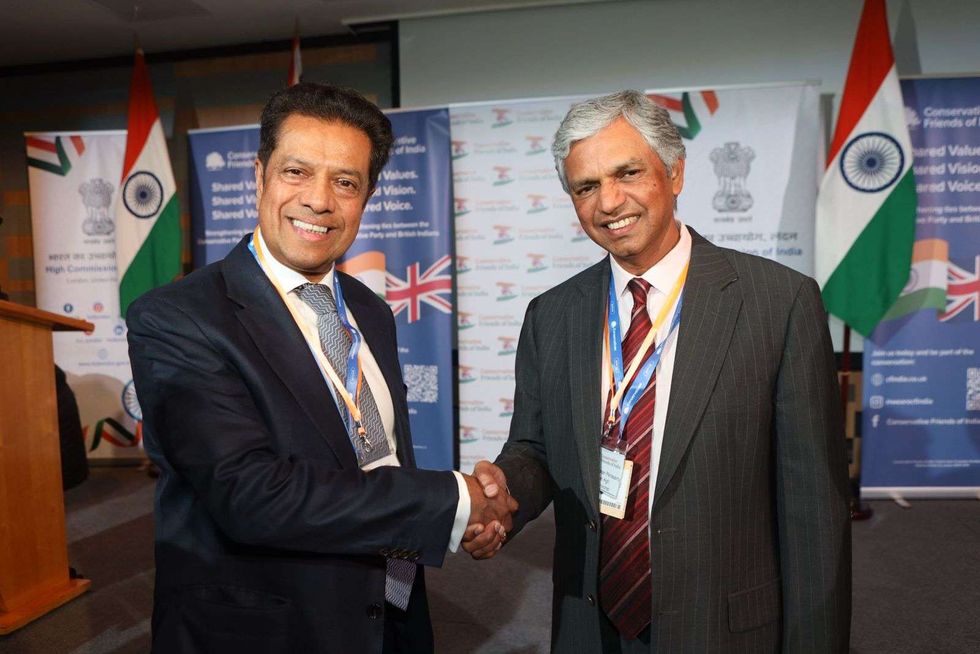 CFIndia co-chair Dr Koolesh Shah with Indian High Commissioner to the UK Kumaran PeriasamyCFIndia

