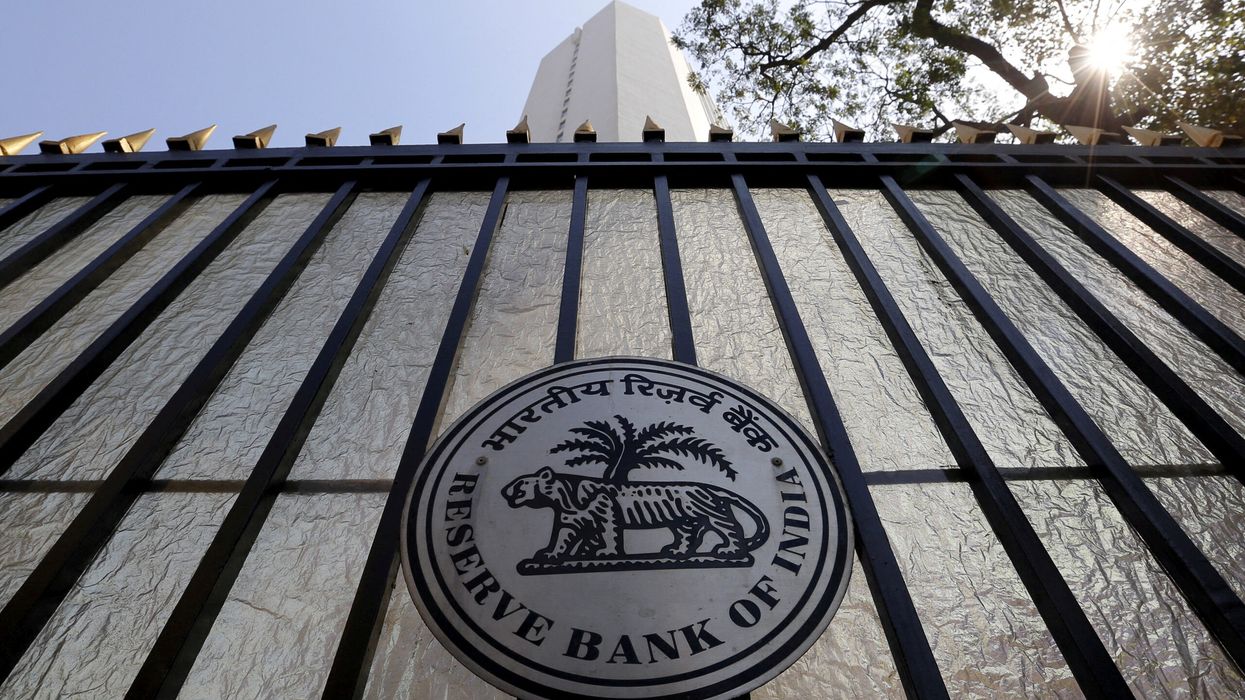

India's central bank has kept interest rates unchanged for the eighth consecutive time on Friday, amid ongoing inflation concerns in the world's fifth-largest economy.
The Reserve Bank of India (RBI) announced that its benchmark repo rate, the rate at which it lends to commercial banks, will remain at 6.50 per cent.
Two major central banks have recently lowered interest rates, including the European Central Bank, which cut rates on Thursday for the first time since 2019.
While India's inflation has cooled from its 2022 peak of 7.8 per cent, it remains above the RBI's target of four per cent.
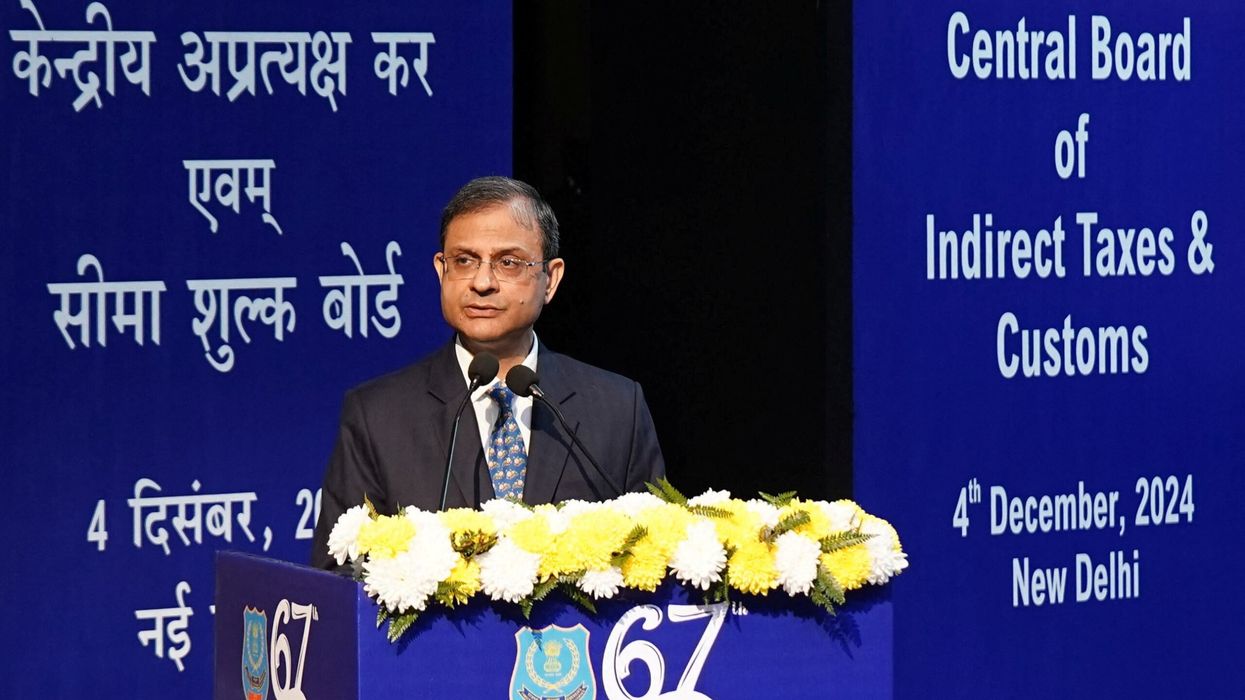
RBI Governor Shaktikanta Das said the bank "remains vigilant to any upside risks" of inflation, especially from food prices.
The decision comes shortly after Narendra Modi's Bharatiya Janata Party (BJP) did not secure an outright majority in the national elections, resulting in a reliance on coalition partners for governance.
Experts suggest that Modi's next administration may resort to populist spending to gain support and appease allies, potentially increasing inflation.
India's economy grew by 8.2 per cent in the year to March, driven by a robust manufacturing sector that exceeded government and analyst expectations.
Interest rates were increased by 2.5 percentage points between May 2022 and February 2023 but have remained steady since then.
In April, India's retail inflation was recorded at 4.83 per cent, nearly the same as the previous month, primarily due to rising food prices.
The country's "core" inflation, excluding food and fuel costs, stayed below four per cent.
The International Monetary Fund forecasts India's GDP growth to slightly decrease to 6.8 per cent in 2024-25, which would still position it as the fastest-growing among large economies.
(AFP)