
Skip to content
Search

Latest Stories

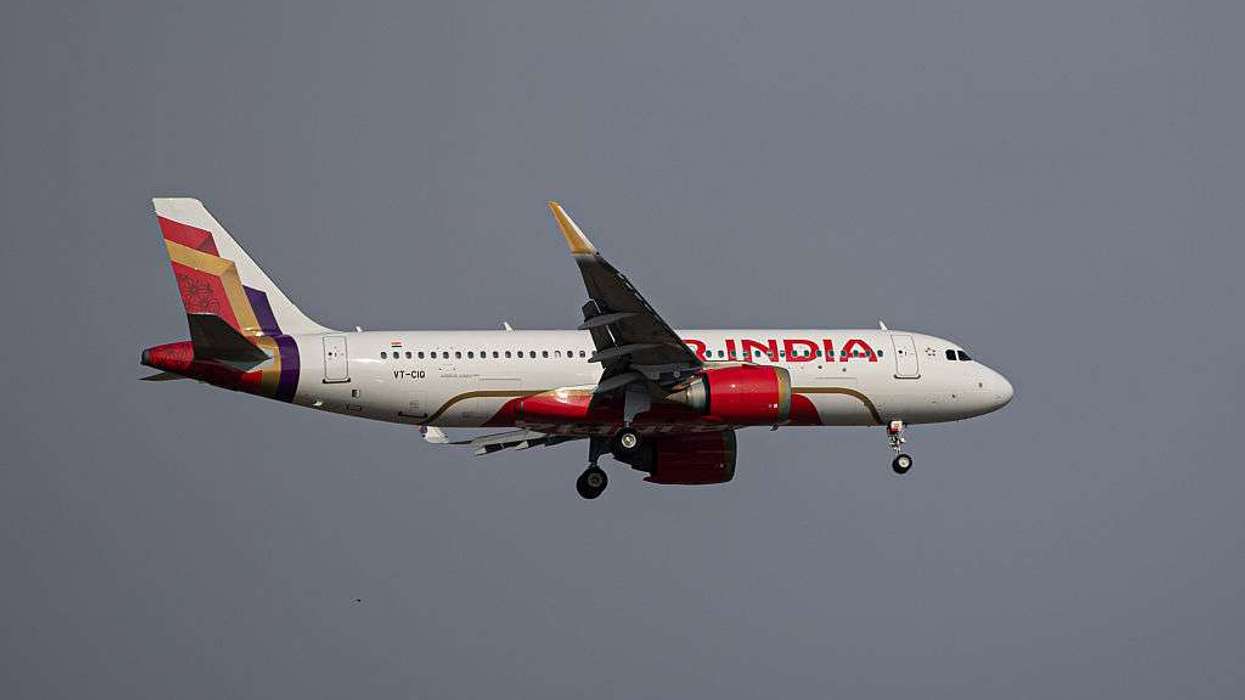
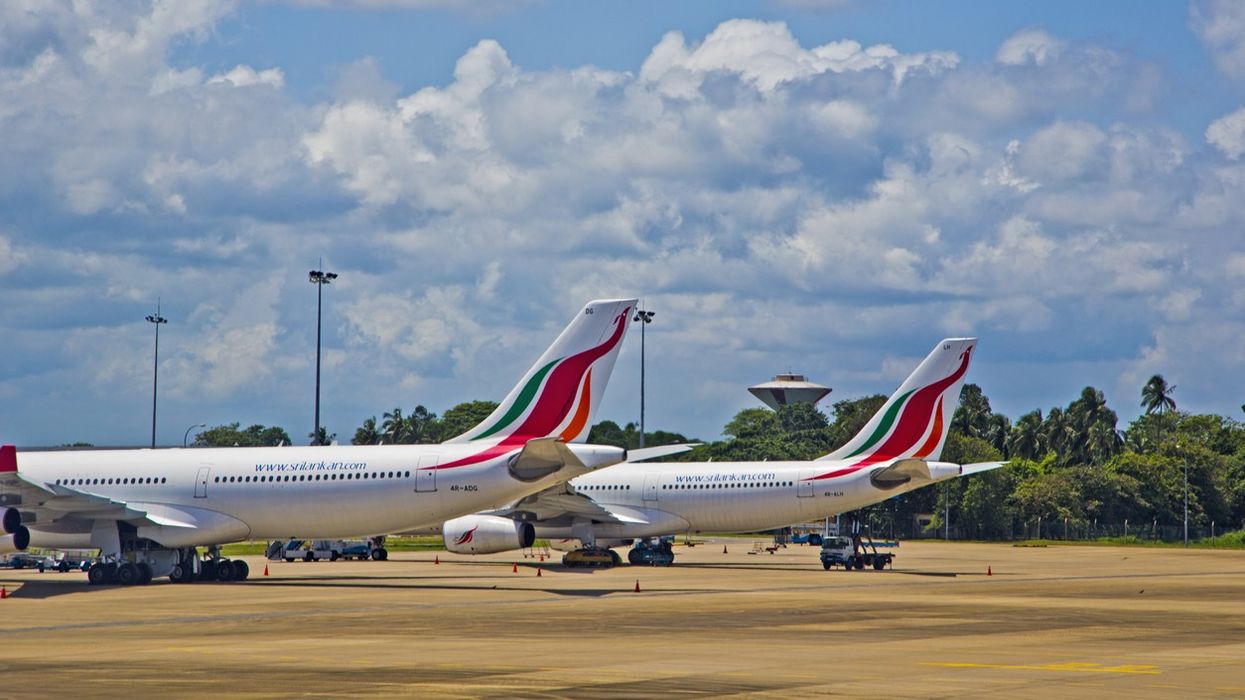
Inbound flights allowed in Sri Lanka from June 1

Inbound flights allowed in Sri Lanka from June 1

SRI LANKA has announced that the temporary ban on inbound passenger flights will be conditionally lifted from June 1.

However, the easing of travel restrictions does not apply to flights from India and passengers who have a travel history to that country two weeks before travel.


Incoming flights can have a maximum of 75 passengers who will have to undergo mandatory quarantine for 14 days upon their arrival.

“Any passenger with a travel history to India (including transit) in the past 14 days will not be permitted to arrive,” director general of civil aviation Themiya Abeywickrama said.

Apart from entry visa requirements, foreign nationals, including seafarers, businessmen and investors, have to obtain approval from the ministry of foreign affairs for visiting the island nation.

Indian and Sri Lankan authorities were making arrangements for a tourism travel bubble before the surge in coronavirus cases earlier this year.

But the rise in infection cases forced Sri Lanka to close air travel in early May.

More For You

ai-blackmail-students

'Blackmailers are taking images from school websites, using AI tools to manipulate them into illegal material'

Photo for representation: iStock

Schools warned to take down pupils' photos over 'AI blackmail threat'

  • Sextortion reports from under-18s rose 34 per cent last year
  • Schools are being advised to use blurred, distant or rear-facing photos — or none at all
  • One private school group has already redesigned its website to remove recognisable pupil images

SCHOOLS across the UK are being urged to remove pictures of pupils from their websites and social media pages after criminals used artificial intelligence to turn children's photos into sexually explicit images and demand money.

Child safety experts and the National Crime Agency have warned that blackmailers are taking images from school websites, using AI tools to manipulate them into illegal material, and then threatening to release them unless they receive a payment, reported the Guardian.

Keep ReadingShow less