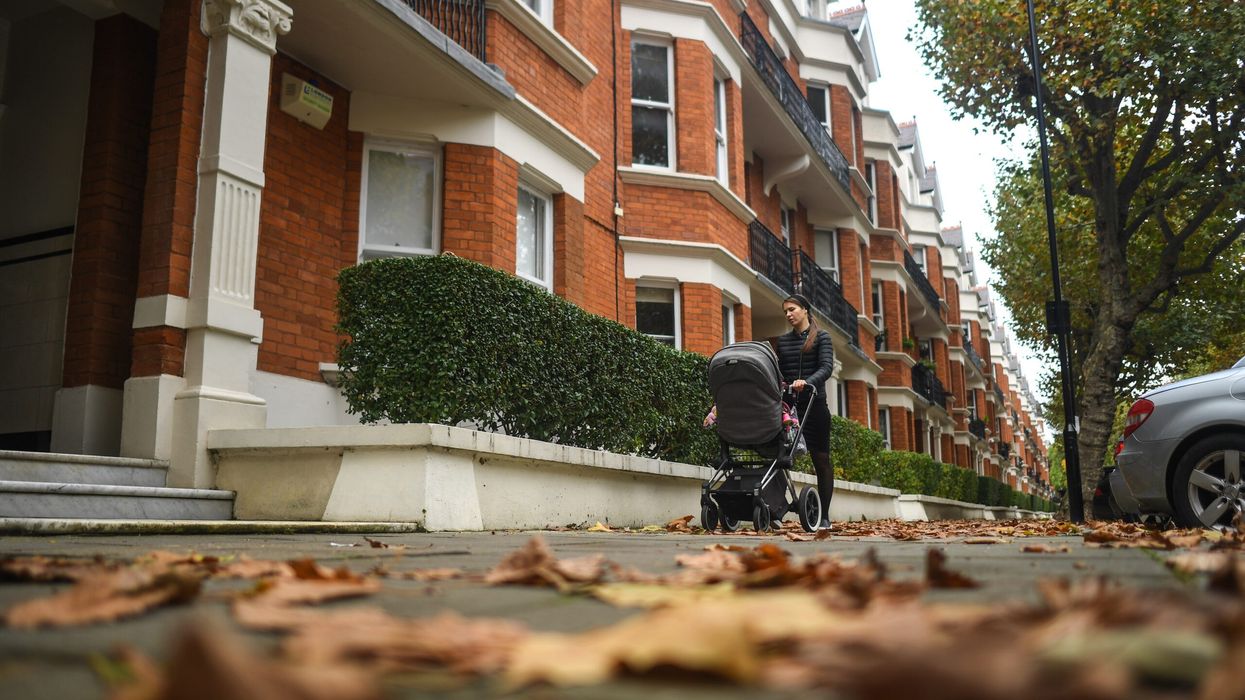

HOUSE prices increased at the fastest annual rate since late 2022, according to mortgage lender Halifax.
Data released on Friday showed a 4.3 per cent rise in house prices for August, marking the largest annual gain since November 2022.
This period followed a financial crisis triggered by former prime minister Liz Truss’s economic policies, which had led to a sharp increase in mortgage rates.
On a monthly basis, house prices rose by 0.3 per cent from July to August, slightly above the 0.2 per cent increase expected by economists polled by Reuters. This was the second consecutive month that house prices showed an increase.
Other measures of the housing market have also indicated rising activity, though rival lender Nationwide reported a small monthly decline in house prices for August.
Halifax attributed the rise in market activity to the Bank of England’s recent decision to reduce interest rates to 5 per cent from 5.25 per cent, the first rate cut since March 2020.
“With market activity picking up and the possibility of further interest rate reductions, we expect house prices to continue their modest growth through the remainder of this year,” said Amanda Bryden, head of mortgages at Halifax.
Economists polled by Reuters expect the Bank of England to hold off on further rate cuts until November. However, financial markets currently predict a one-in-four chance of another rate cut on 19 September.
The Labour Party, which won the general election in July, has committed to reforming the UK's planning system and has set mandatory targets for increasing homebuilding. Despite these efforts, a shortage of supply is expected to keep pressure on house prices in the medium term.
(With inputs from Reuters)