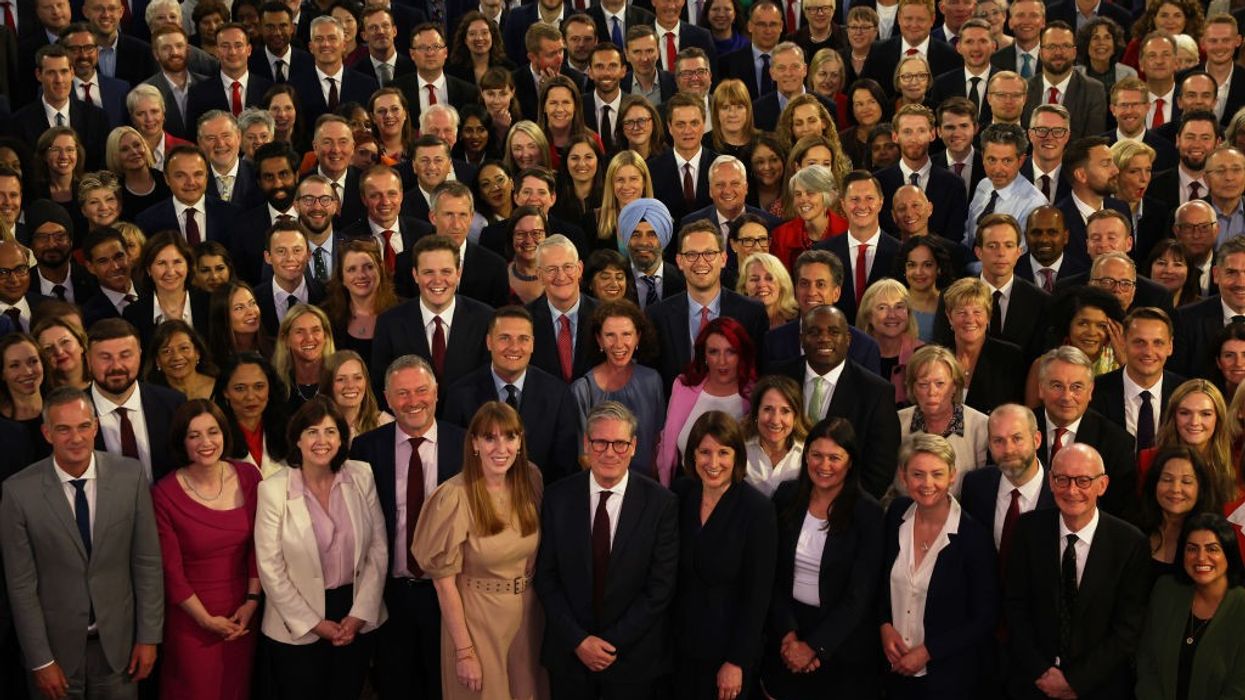

A HISTORIC 335 new MPs will be inducted into the House of Commons this week, marking the largest influx of new members in modern times.
This surpasses the previous record of 327 new MPs set in the 1945 election, held post-World War II, The Guardian reported.
In addition to the 335 new members, 15 MPs are returning after a period of absence, totaling 350 newly elected MPs, according to the Commons library, which has records dating back to 1922. Comparatively, the 1997 election had a smaller intake of 257 new MPs.
The Commons speaker will be elected and sworn in on Tuesday (9), with Lindsay Hoyle, the previous speaker, expected to be re-elected with Labour's support. MPs will be sworn in by order of seniority, starting with cabinet members, followed by shadow cabinet members, other privy counsellors, ministers, and backbenchers. The swearing-in process is expected to conclude by Thursday (11).
MPs have been invited to attend induction sessions on Tuesday covering security, standards, protocol, and office management. Labour MPs, who now number 412, attended the first meeting of the new parliamentary Labour party on Monday (8) afternoon.
During the meeting, prime minister Keir Starmer emphasised the hard-fought nature of the election victory and the mandate for renewal given to his government.
Parliament will officially open on July 17 with the king’s speech, outlining the government’s proposed policies and legislation.
Both Labour and Tories had anticipated a relatively inexperienced intake, with 132 MPs from the last parliament choosing not to stand in this election, including 75 Tories.
The new parliament has set diversity records, with a record number of female MPs elected. Women now make up 40.5 per cent of the Commons, up from 35 per cent in the last parliament.
For the first time, the total number of female MPs in history (693) could fill all 650 Commons seats, according to a Fawcett Society report. Labour has the highest percentage of female MPs at 46 per cent, followed by the Liberal Democrats (45 per cent), Tories (24 per cent), and the SNP (11 per cent).
The most common first name in the Commons is now Sarah, though nine of the top ten most common names are male, with Chris being the most frequent. Starmer’s cabinet is the most gender-equal ever, with women holding 12 out of 26 cabinet positions.
According to the British Future think tank, a record 90 minority ethnic MPs have been elected, an increase of 24. Of these, 50 are women, highlighting a significant increase in diversity within the House of Commons.





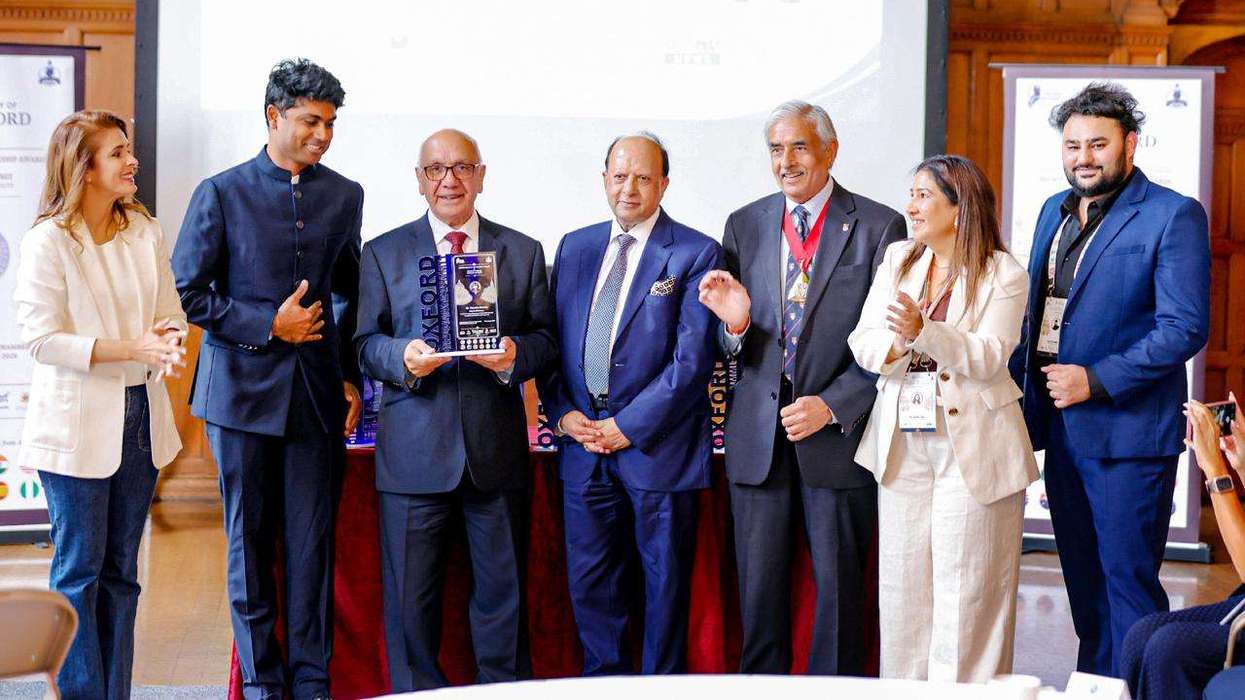
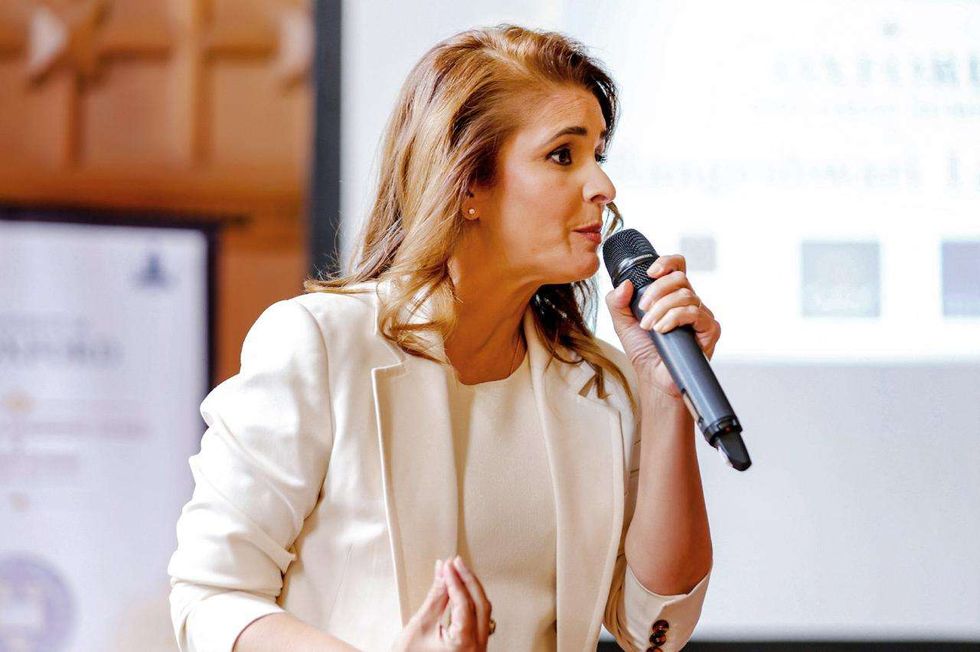 Raageshwari LoombaMahesh Liloriya
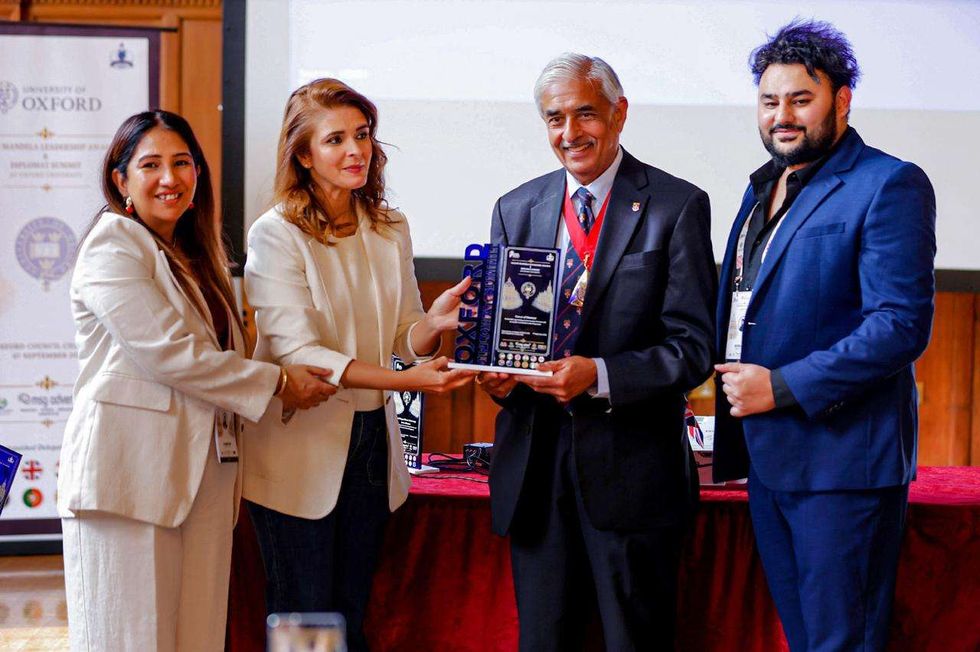 Raageshwari LoombaMahesh Liloriya
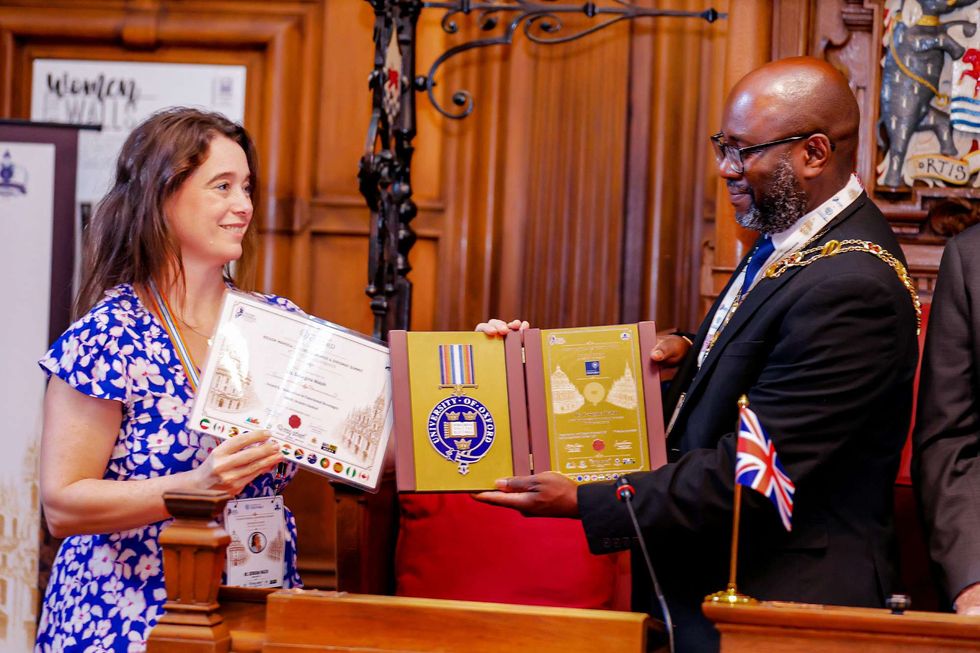 WinnersMahesh Liloriya