
- More than 200 leisure and hospitality bosses oppose a proposed tourist tax in England.
- Businesses warn families could pay over £100 extra for a two-week stay.
- Government says any levy would be modest and set locally.
Plans to allow English mayors to introduce a tourist tax have drawn sharp criticism from across the hospitality industry, with more than 200 business leaders urging the government to drop the idea.
The proposal would give local leaders the power to introduce what ministers describe as a “modest” visitor levy, raising funds for local areas. While some English cities already operate similar charges through voluntary schemes run by business improvement districts, the new measure would allow formal local authority taxes.
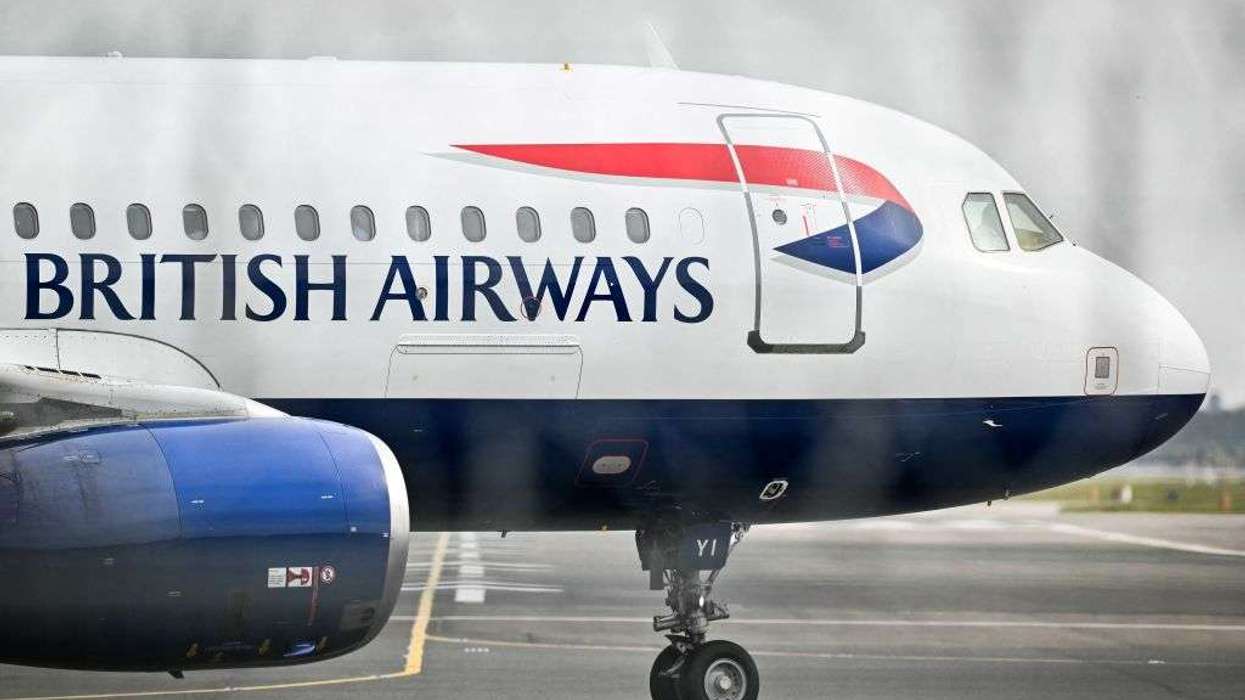
Major operators including Butlin’s, Hilton, Travelodge and the owner of Alton Towers have written to Chancellor Rachel Reeves warning that the move could deter domestic tourism. “Holidays are for relaxing, not taxing,” the groups said in a joint letter, as reported.
They argue that a charge of £2 per person, per night could add more than £100 to the cost of a two-week family holiday. According to the letter, that could prompt families to cut trips short, stay closer to home or travel abroad instead.
How the levy might work
Under the government’s preferred model, the tax would be calculated as a proportion of accommodation costs rather than a flat nightly rate. Ministers have said local mayors should determine the right level for their area. A consultation on the proposals closes on February 18.
A government spokesperson said the aim was to give mayors tools to reinvest in their communities and support economic growth. Any new charges, the spokesperson reportedly said, would be modest and broadly in line with systems already in place overseas.
In England, Manchester introduced a £1 per room visitor charge in 2023 through its accommodation BID. It raised £2.8 million in its first year, funding marketing campaigns to attract visitors during quieter months. Liverpool adopted a similar model in 2025.
Scotland and Wales already allow local authorities to introduce visitor levies. Edinburgh is set to implement a 5 per cent charge on hotel and short-term accommodation bookings from summer. Aberdeen and Glasgow have also backed similar measures, while some councils, including Orkney and Shetland, have rejected them. Wales does not expect to introduce its version until 2027. Northern Ireland has no current plans for a levy.
Industry and political pushback
Allen Simpson, chief executive of UKHospitality, reportedly said the UK already has a high tax burden and warned that further charges would make breaks even less affordable. He argued that the government should encourage travel within the country rather than impose additional costs.
Conservative MP Andrew Griffith also criticised the proposal, saying businesses were already struggling under higher business rates. He reportedly claimed that a holiday tax would hit families and divert spending away from local towns and communities.
Supporters of the plan suggest that giving local leaders control over such measures could unlock investment in infrastructure and tourism projects. Critics, however, fear it risks undermining competitiveness at a time when households are already watching their spending.
Whether the proposal moves forward may depend on how ministers weigh the promise of local revenue against warnings from an industry that says margins are already tight.