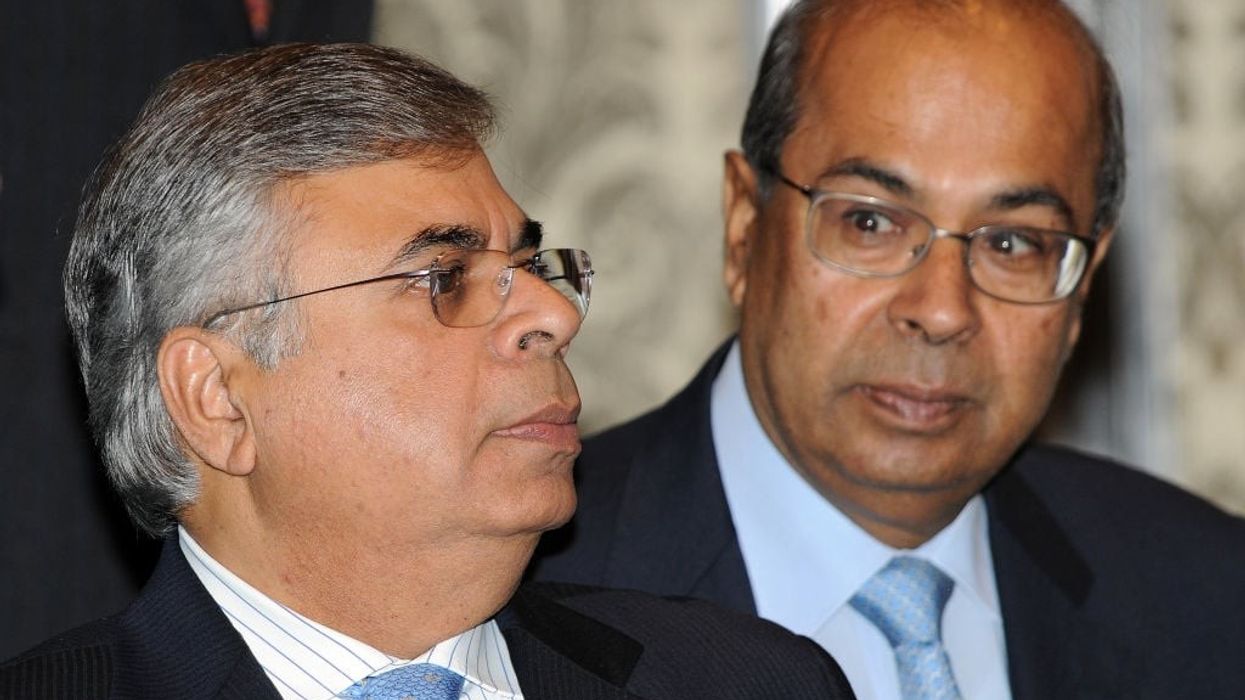

HINDUJA GROUP firm Ashok Leyland is working with bankers on a potential merger of its electric bus company, Switch Mobility, with a special purpose acquisition company (SPAC) in the US, reports said.
The plans could see Switch Mobility valued upto $2 billion (£1.4bn), reported Sky News.
Chaired by former Aston Martin boss Andy Palmer, Hindujas first bought a stake in Switch Mobility in 2010. It changed its name from Optare in November last year.
It has contracts with bus operators in cities including London and York, and more than 150 of its vehicles are already in service in the UK.
A SPAC, also known as 'blank check companies', is a company with no commercial operations that is formed strictly to raise capital through an initial public offering (IPO) for the purpose of acquiring an existing company.
Dheeraj Hinduja, Ashok Leyland's chairman, said last year that the company, which is majority-owned by Hinduja companies, was looking to bring all of its EV initiatives under the Switch Mobility umbrella.
"This strategy reflects the clear growth opportunities in the global LCV (light commercial vehicle) and bus EV market, which is projected to grow at a compounded annual growth rate of more than 25 per cent and to be worth in the region of $50bn by 2030," he said.
"To capture part of that market, we are considering EV initiatives through Switch that could include financial participation and strategic tie-ups."
Britain's second-richest family, the fortune of Hindujas was estimated by last year's Sunday Times Rich List at £16bn.
According to reports, Arrival, the Banbury-based electric van and bus-maker, is poised to float in America via a Spac in a $5.4 billion deal.
Other British companies which are reportedly eyeing floats in America via SPACs are used-car website Cazoo and healthcare app Babylon.