
Highlights:
- Spanish indie duo unveil studio version of Charli XCX and Lorde collaboration
- Cover marks one year since Hinds’ album Viva Hinds
- New video mixes live tour moments with scenes from Madrid
- Band says song resonates with their decade-long journey as a girl group
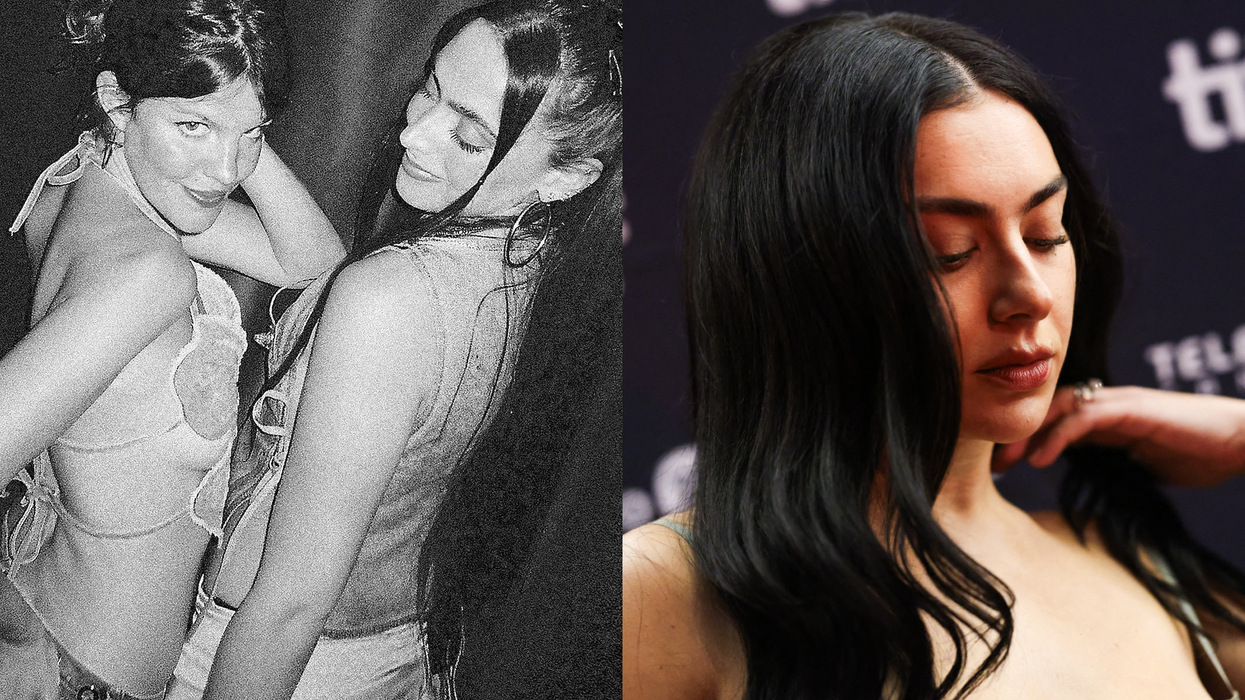
Madrid-based indie rock band Hinds have released their own version of Girl, so confusing featuring Lorde, the collaboration track from Charli XCX’s Brat remix album. The Charli XCX song has been a staple of their live shows in recent months, and the group, formed by Carlotta Cosials and Ana Perrote, have now shared a studio recording to mark the first anniversary of their album Viva Hinds.
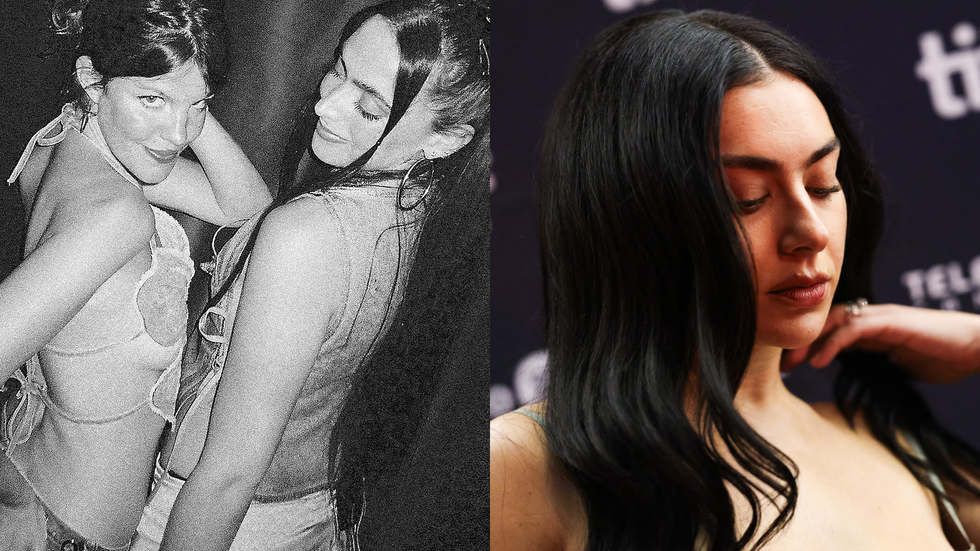 Hinds cover Charli XCX and Lorde’s Girl so confusing calling out decade of rivalry culture in music industry Instagram/hindsband/ Getty Images
Why did Hinds cover Girl, so confusing featuring Lorde?
The original track drew attention for pairing Charli XCX with Lorde, transforming an earlier solo cut from Brat into an anthem of female solidarity. Hinds explained that they connected deeply with the message, reflecting on their decade as a girl band in an industry that often pits women against one another.
In a statement, the duo said: “Everything about this song resonates with us. We have been a girl band for four albums now, more than a decade. A decade in a world that tries to put girls against each other, comparing everything, our bodies, our songs, our way of talking and existing.”
How is Hinds’ version different from Charli XCX’s original?
While Charli XCX and Lorde’s version leans into electronic textures, Hinds reimagine the track with a raw, guitar-driven sound. Their cover strips back the polished synths and replaces them with crunchy riffs, layered harmonies, and a lo-fi garage rock energy.
Fans of the band will recognise this as part of their signature style, which has run through their four studio albums. The cover also fits seamlessly into their recent setlists, having already been road-tested on stages across Europe and the US.
- YouTube youtu.be
What does the video show?
Hinds released an accompanying video alongside the studio track. The visual combines footage from Madrid, where the duo recorded much of the cover, with scenes captured on the road. It shows the band performing live, working in the studio, along with candid moments backstage, in cars, and at airports.
Around 60 per cent of the video was filmed in their hometown, while the rest came from international tour stops. Shot largely by collaborator Felipe Olaya, the clip brings out the free-spirited and DIY aesthetic that has defined Hinds since their early days.
What’s next for Hinds?
The release comes as Hinds continue their busy touring schedule in support of Viva Hinds. The band has performed more than a dozen shows across multiple continents this year, with dates scheduled through early 2025. Highlights include upcoming US shows in Brooklyn, Chicago, and a slot at California’s Ohana Festival.
In interviews, the duo have been vocal about their commitment to staying creative on the road and writing new material between concerts while balancing their relentless live energy.
Their take on Girl, so confusing featuring Lorde shows both their admiration for Charli XCX’s work and their ability to reshape contemporary pop into something that feels unmistakably their own.