

If you have ever struggled to drag yourself to the gym after a long day at work – or if your motivation tends to dip midworkout – you are not alone. The simple solution to this all-too-common problem is a gym buddy.
A workout partner, or even a small gym crew, can be a game-changer for any fitness journey. Whether you are a regular gym-goer or just starting out, pairing up with someone can improve consistency, boost motivation and make exercise more enjoyable.
The great news is that the gym is an easy place to make new friends. From chatting between sets to joining group classes or asking someone for a spot, the shared goal of getting fitter often leads to genuine connection. Many gyms now offer community events, buddy challenges and team-based training programmes that encourage interaction. Before long, a stranger at the squat rack might become your most trusted accountability partner.
Here is why the buddy system works:
Accountability: It is much harder to skip leg day when someone is waiting for you. A gym buddy keeps you on track simply by showing up – and expecting you to do the same. Over time, it becomes a positive habit.
Motivation: A good workout partner pushes you when you are tempted to quit. A shared high-five after hitting a new personal best is far more satisfying than a solo win. They also encourage you to push just a little harder.
Safety: Whether you are attempting a bench press or trying a new move, a buddy can spot you – helping prevent injury and building confidence when lifting heavier weights. Competition: A bit of friendly rivalry can work wonders. Trying to match each other’s efforts boosts performance and makes workouts feel more dynamic and engaging.
Partner exercises: There are many exercises you can do with a partner – from medicine ball passes and resistance band rows to partner planks and tandem squats. These moves build trust and make sessions more interactive. It is also a fun way to break routine and add energy to your training.
Social connection: The gym can be a surprisingly social space. Striking up a conversation by the dumbbell rack or joining a group circuit session can lead to lasting friendships. Many gyms also offer running clubs, weekend bootcamps or group hikes. For some, the gym becomes not just a place to train, but a community.
Shared goals: Having someone to share milestones with – whether training for a race, hitting a strength target or losing weight – offers valuable emotional support. Working toward a goal together builds teamwork and creates moments of mutual celebration.
Whether it is your best mate, partner, co-worker or someone you met at spin class, having a gym buddy can transform fitness from a chore into a shared lifestyle. The encouragement, laughter and collective effort can turn an ordinary workout into the highlight of your day.
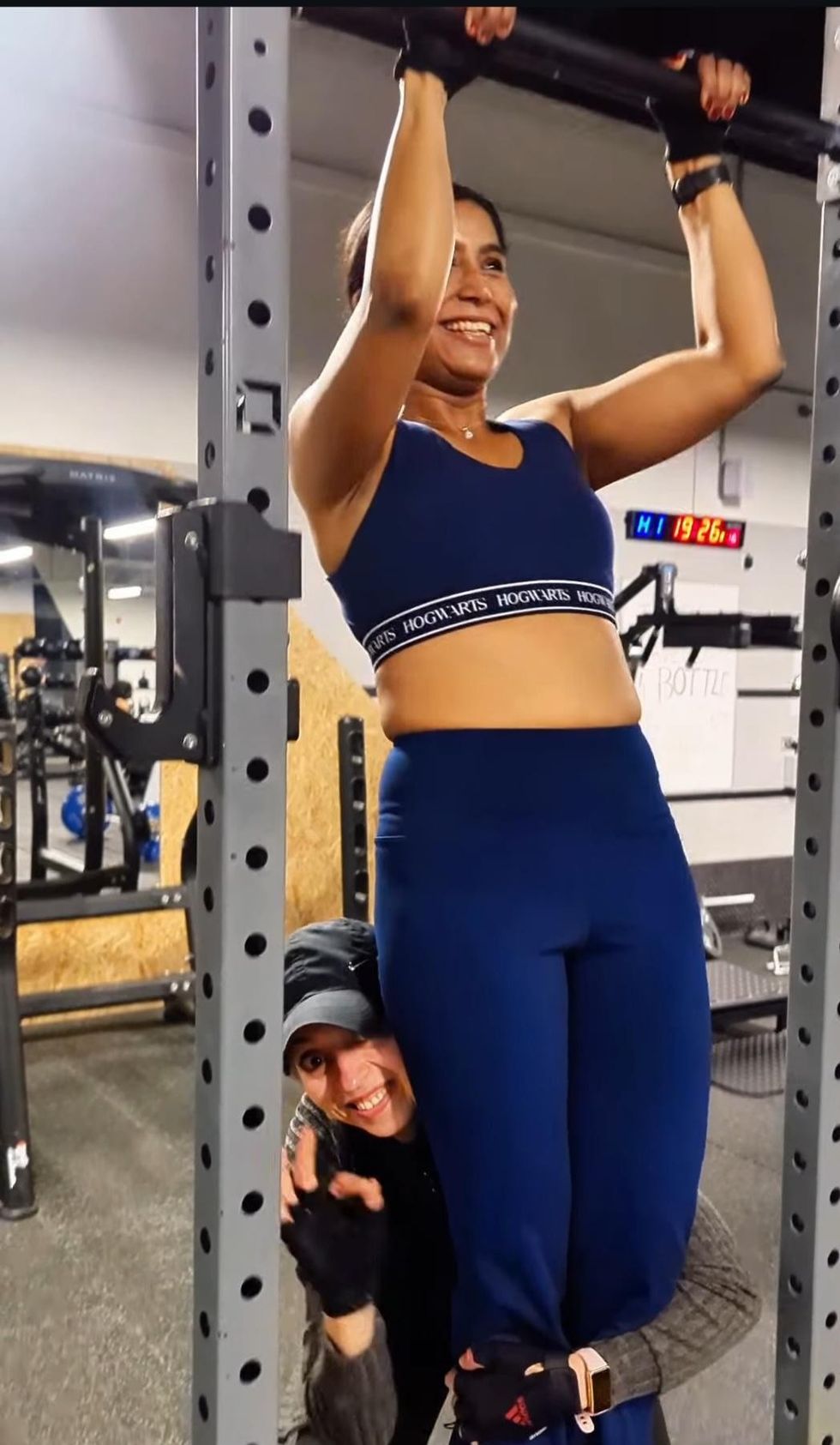 Having a gym buddy can transform fitness Instagram/ flexandfuel_official
So next time you are tempted to train alone, consider teaming up. You might get double the results – and discover the best gym hack yet.
Nesreen G and Jayeeta Dutta believe in creating sustainable ways of maintaining a healthy lifestyle and are here to share top tips. They don’t just chase goals, they crush them. Instagram: @flexandfuel_official
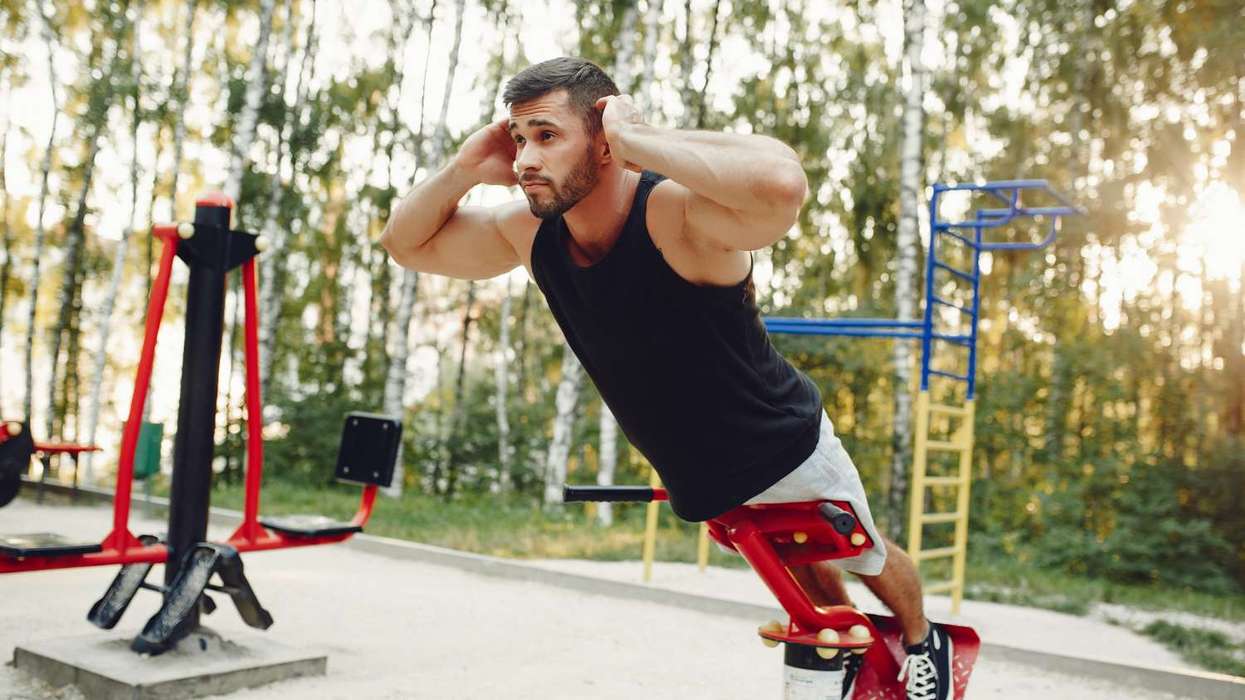




 Instagram and Snapchat were linked to increased anxiety, poor sleep and body image issues among young peopleiStock (Photo for representation)
 78 per cent of young people said exam pressure had negatively affected their mental healthiStock (Photo for representation)
 Gen Z have higher levels of loneliness and social isolation, according to reportsiStock(Photo for representation)