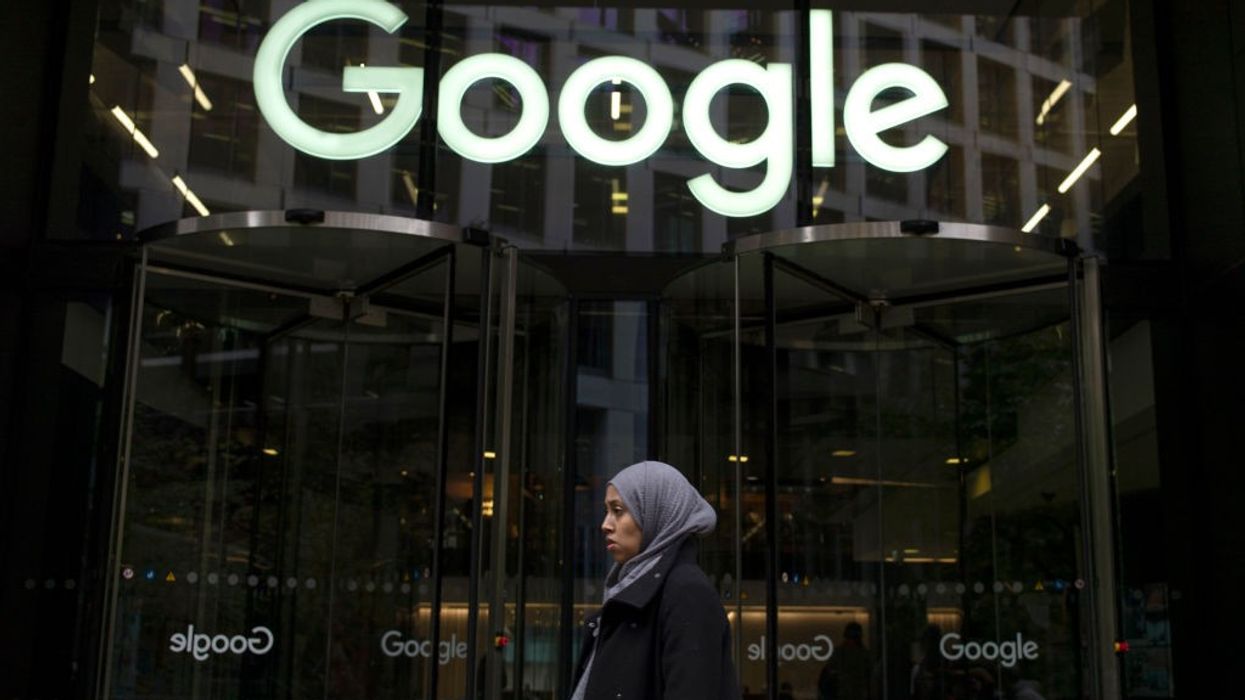

GOOGLE has agreed to pay £21.5 million to settle claims that it unfairly treated workers from certain ethnic backgrounds, reported the BBC.
The lawsuit, which has received preliminary approval from a California judge, alleged that the tech giant gave white and Asian employees better pay and job opportunities compared to staff from other ethnic backgrounds.
Former Google employee Ana Cantu filed the case in 2021, claiming workers from Hispanic, Latino, Native American and other backgrounds received lower starting salaries and were placed in lower job levels than their white and Asian colleagues.
According to Cantu's lawyers, Google's practice of basing starting pay on previous salaries helped continue long-standing race-based pay differences.
The settlement covers more than 6,600 people who worked at Google between February 2018 and December 2024.
Cathy Coble, a lawyer representing the workers, praised the "bravery of both the diverse and ally Googlers who self-reported their pay and leaked that data to the media". She added: "Suspected pay inequity is too easily hidden without this kind of collective action from employees."
The tech giant has confirmed reaching a settlement but denied treating any employees unfairly.
"We reached a resolution, but continue to disagree with the allegations that we treated anyone differently, and remain committed to paying, hiring, and levelling all employees fairly," a Google spokesperson told the broadcaster.
The case relied on a leaked internal document that reportedly showed employees from some ethnic backgrounds were paid less for similar work.
This settlement comes as Google and other major US companies like Meta, Amazon, Pepsi, McDonald's and Walmart have been rolling back their diversity, equity and inclusion (DEI) programmes.
This shift follows criticism of such policies by president Donald Trump, who has recently ordered government agencies and contractors to eliminate DEI initiatives.