GERMAN imports of refined oil products from India soared in the first seven months of the year, official data showed Tuesday (12), much of which was likely made using crude oil from sanctions-hit Russia.
Germany bought €451 million (£387m) worth of Indian petroleum products between January and July.
That was an increase of more than 1,100 per cent on the €37m (£31.7m) spent over the same period a year earlier, national statistics agency Destatis said.
The 12-fold jump comes after India became a leading buyer of Russian crude in the wake of Moscow's invasion of Ukraine in February 2022.
India's fuel exports to Germany were "mainly gas oils used for the production of diesel or heating oil", statistics agency Destatis said.
Destatis noted that these products were derived from crude oil and that according to the UN Comtrade database, "India has been importing large quantities of crude oil from Russia" since the start of the war.
Western countries have hit Russia with a slew of sanctions over the war, including a European Union embargo on seaborne oil deliveries from Russia.
The EU - along with its G7 partners - also agreed to a price cap of $60 per barrel for Russian crude exported to other parts of the world.
The measure has allowed India to snap up discounted crude from Russia before refining it and selling it to European customers.
While these sales are legal, critics say they amount to a backdoor route for Russian oil and undermine the impact of the sanctions, which are aimed at stripping Moscow of revenues to fund its war effort.
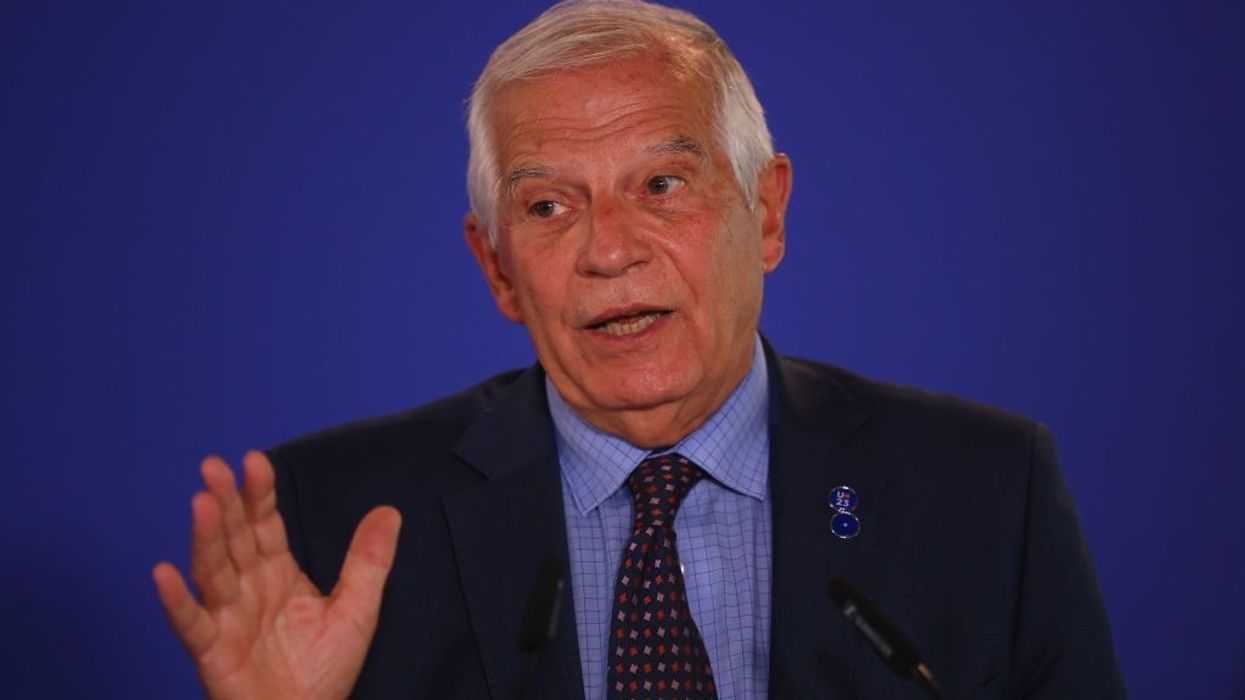
The EU's foreign policy chief Josep Borrell acknowledged "the dilemma" in a blog post in May.
"We in the EU don't buy Russian oil, but we buy the diesel obtained by refining this Russian oil somewhere else. This has the effect of circumventing our sanctions," he wrote.
"All this does also raise moral issues," he added.
(AFP)
Germany snapping up Indian fuels amid Russia sanctions
India’s fuel exports to Germany were mainly gas oils used for producing diesel or heating oil