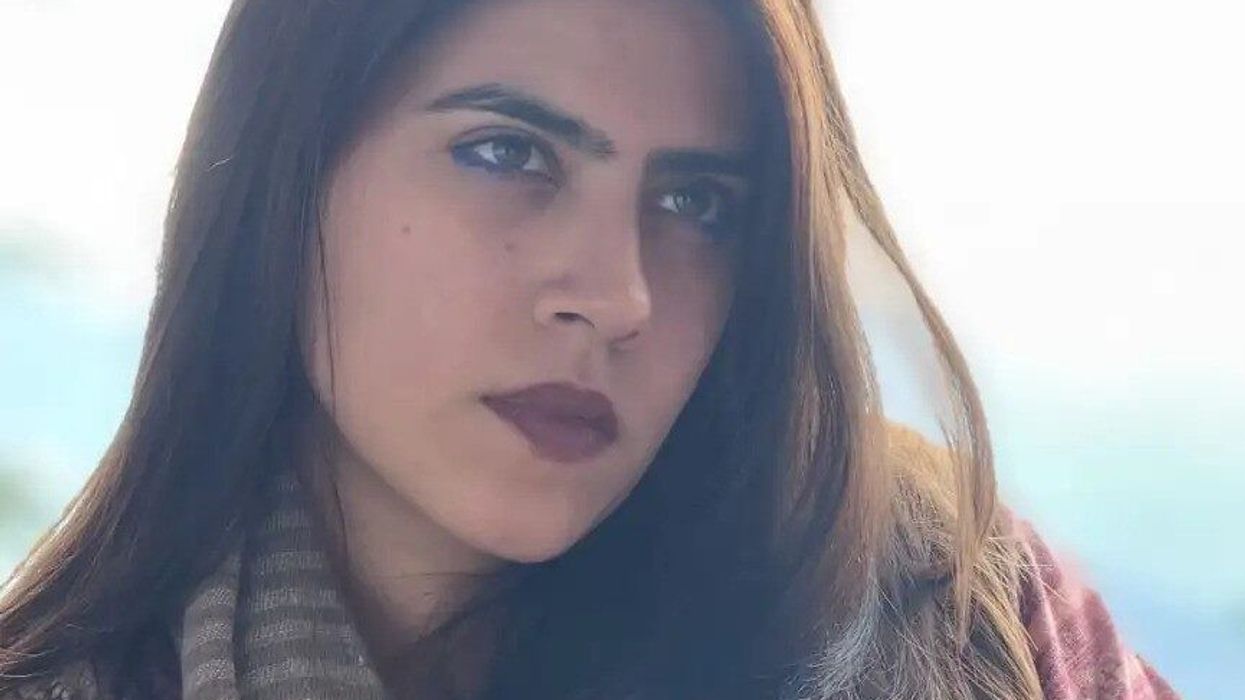

FILMMAKER and screenwriter Maaria Sayed’s debut novel From Pashas to Pokemon is a coming-of-age story set across different cities - from Mumbai to London - about a girl learning to understand, accept and love.
It is also a sharp commentary on cross-cultural clashes and the transformations in India over 20 years, as the book charts the journey of a young Muslim girl towards adulthood.
Eastern Eye caught up with the accomplished author (who received a positive endorsement from legendary writer Gulzar) as she dwells on her novel, creativity, inspiration and getting a literary heavyweight to write the forward.
What first connected you to creativity?
I would prefer to say that all children are creative, but we lose our creativity as we grow older. For me, it was painting and theatre as a child that quickly evolved into writing. From the age of five I have been 'creative' and simply never stopped.
What inspired you to write a novel?
Some feelings need words, and I was at a moment in life where I was processing my childhood, teenage years and the 1990s. I had just moved to a tiny mountain village in Italy, as I had got married the year before. Suddenly, I was reflecting a lot. I felt I needed to create a way to record some feelings and create situations where I could capture what I was not able to explore.
Tell us about your debut novel From Pashas to Pokemon.
Essentially, you follow Aisha's feelings, stammers, insecurities, judgements, and innocence from childhood until the moment she considers herself a woman. One thing I tried to do by writing in the first person is to allow the reader to feel the journey of this girl without a filter.
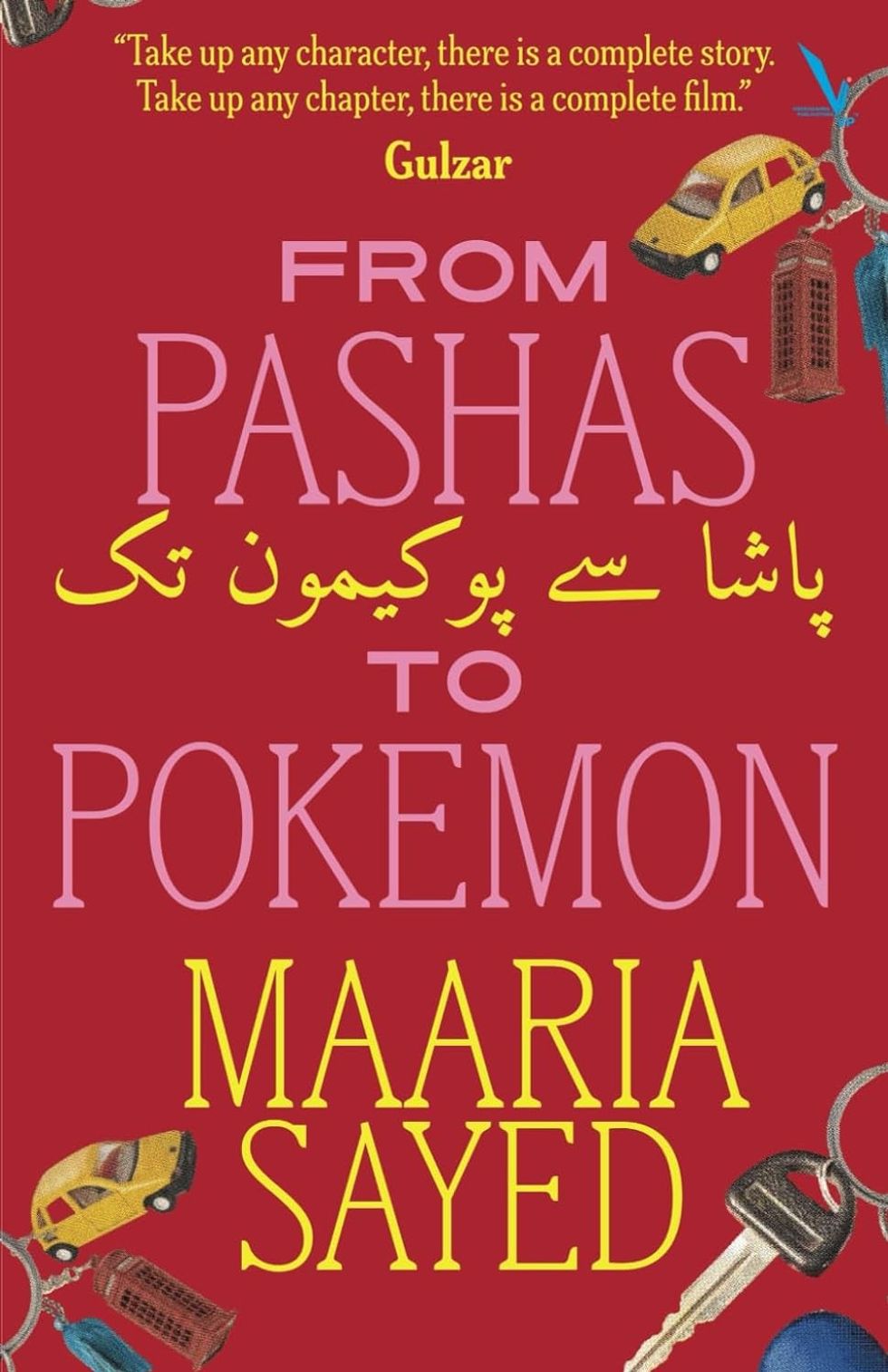 Cover of Sayed’s debut novel 'From Pashas to Pokemon'
Is it based on true incidents and characters?
It is a work of fiction, but certain incidents did happen to me, and I have lived in these places such as Mumbai, Delhi and London. I do not talk about places unless I have spent enough time in them. I believe there is a vibe that one needs to catch because reality is subjective. It is a mix of memories and sensations.
Who are you hoping connects with this book?
Women, girls who are growing up, those who are nostalgic about the 1990s and those who have been through their educational years in London. Of course, those who are in any way connected to Muslim and south Asian culture will understand this book, without really making any effort, because we follow a girl who is from this culture.
What is your own favourite part of this book?
I cannot possibly pick a favourite. I think every episode is precious because it makes Aisha who she is. So, I celebrate the embarrassments, family love, humour, heartbreak and all of it.
How did it feel when Gulzar agreed to write the forward of your book?
I was elated he agreed to read my book - but when he wrote the foreword, I was not just overwhelmed, but incredibly humbled.
What kind of books do you enjoy reading?
I love reading a variety of books. My favourite kind is literary fiction. I enjoy the perspective of women and coloured writers. I guess, I identify more. But, sometimes, I relax by reading writers who explore non-fiction too, especially books related to history, politics, and science. Sometimes philosophy and religion too. I love a good book.
What can we expect next from you?
A second novel, exploring new themes, ideas and worlds. But I will stick to the Indian Muslim woman with her experiences in the west, I guess. It is what I understand.
What inspires you?
Every kind of art, but real-life incidents and observations spark my feelings and push me to actually write.
Why should we all pick up your debut novel?
I do not think you would find another recent work about an Indian Muslim girl who gives you an insight into her innermost thoughts, feelings and fears without a filter, all the way from Mumbai to London and back.
Twitter: @maariasayed89 & Instagram: @maariasayed


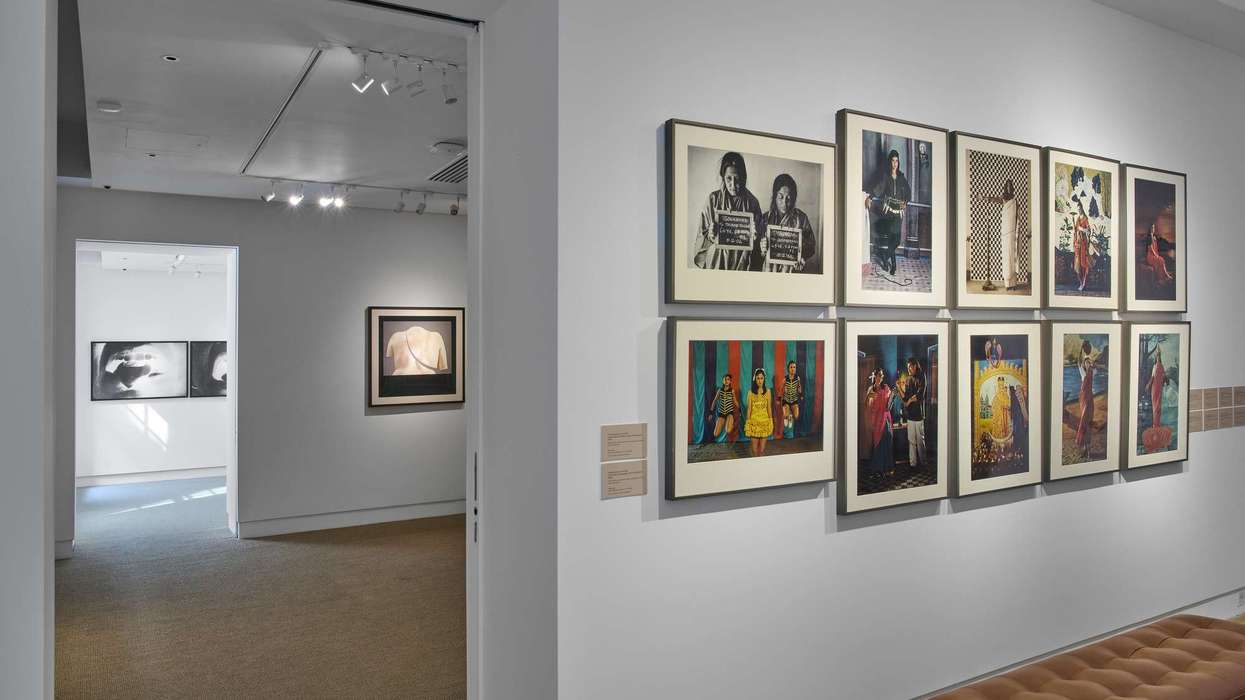
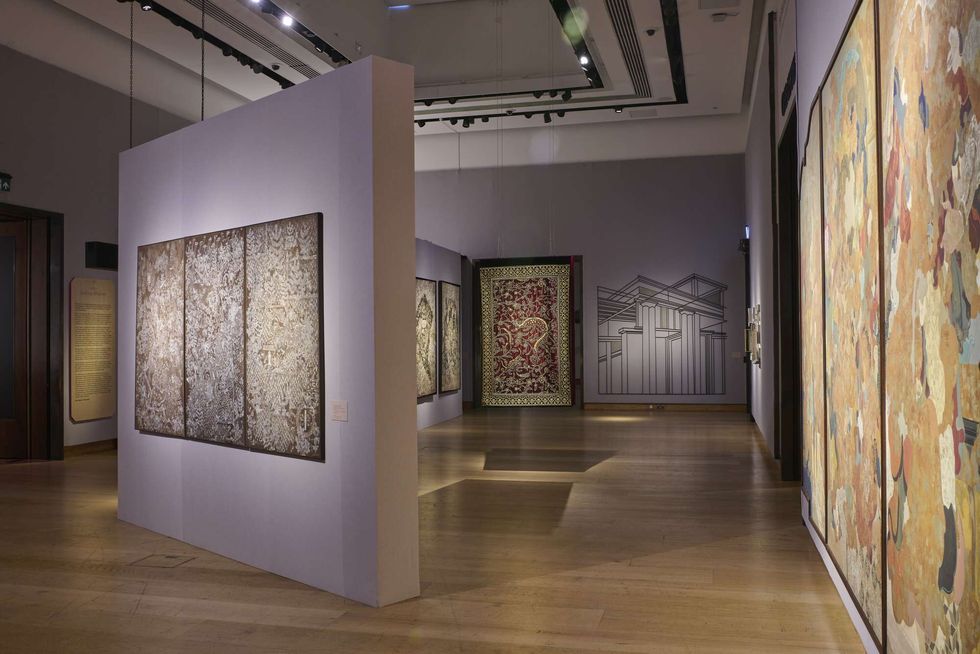 The Meeting Ground scenes from the KNMA CollectionChristie/KNMA
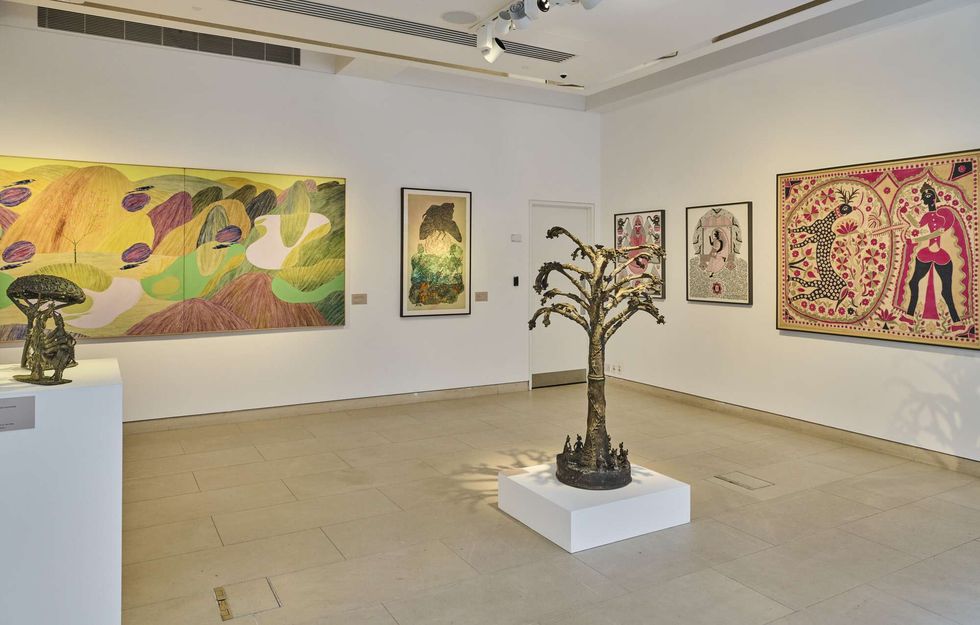 The Meeting Ground Scenes from the KNMA CollectionChristie/KNMA
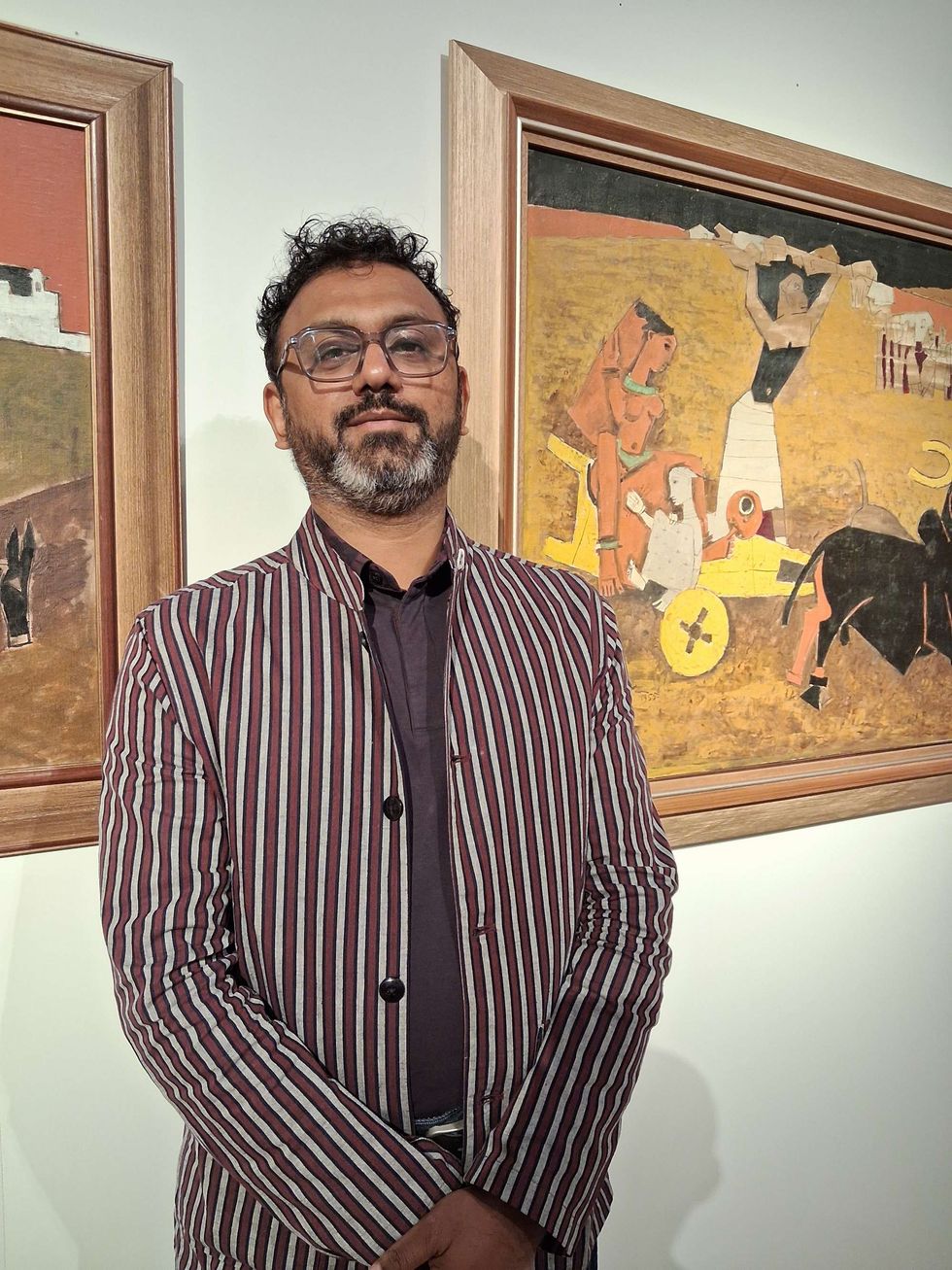 Premjish AchariAmit Roy
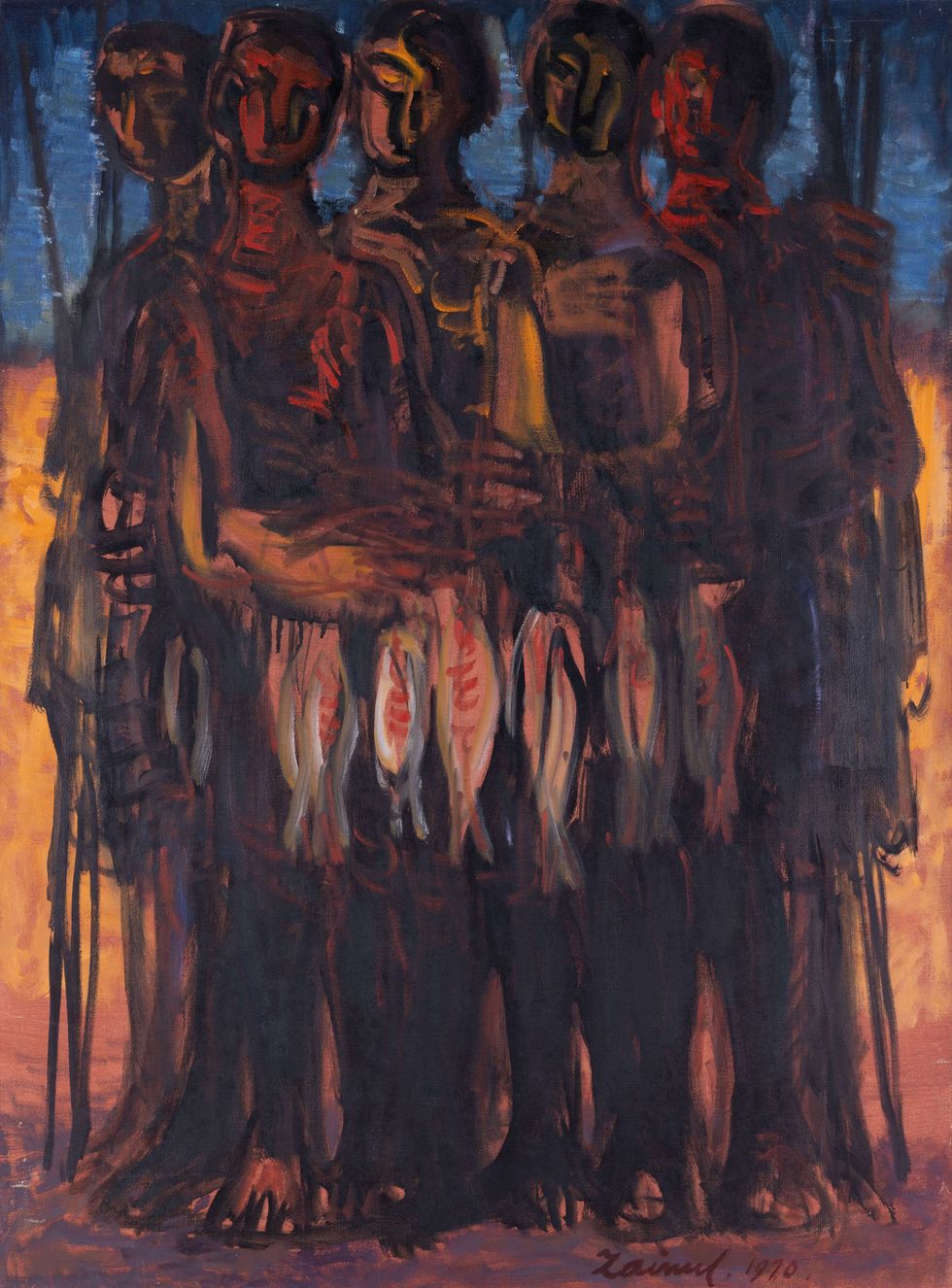 Fishermen by Zainul AbedinKNMA
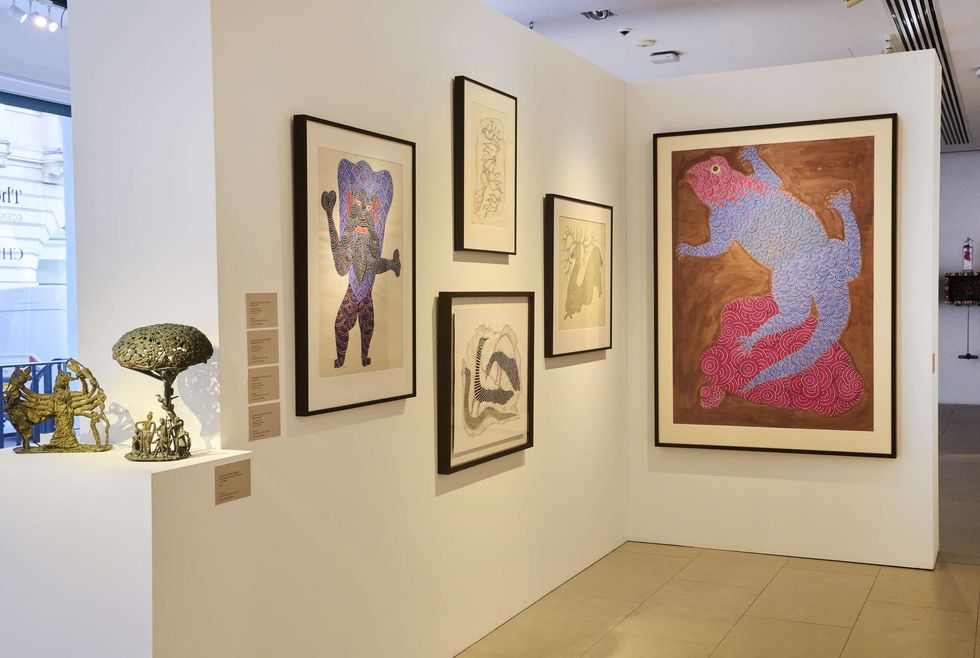 The Meeting Ground Scenes from the KNMA CollectionChristie/KNMA
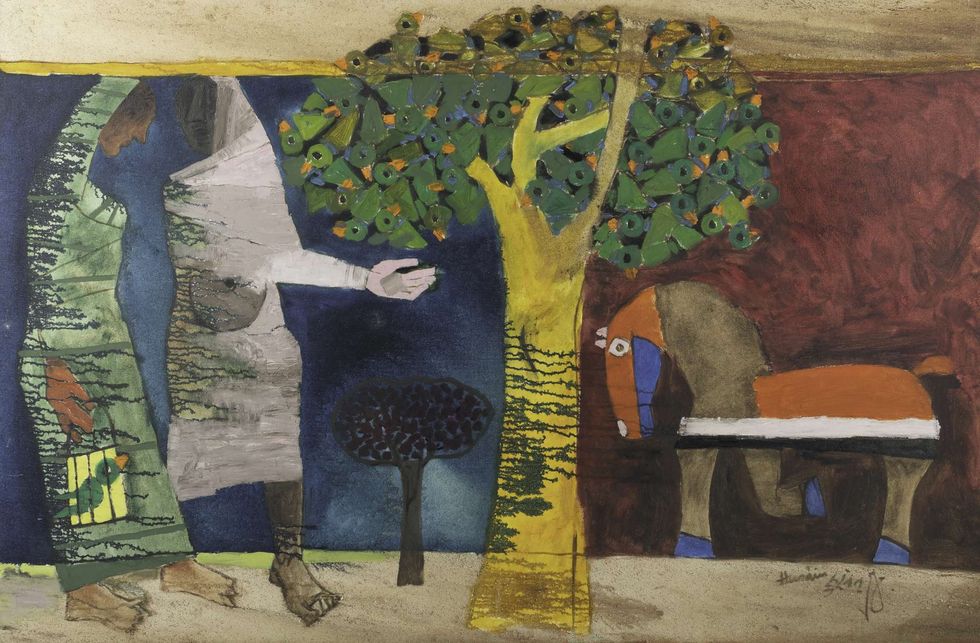 Birds in a Tree by MF HusainKNMA
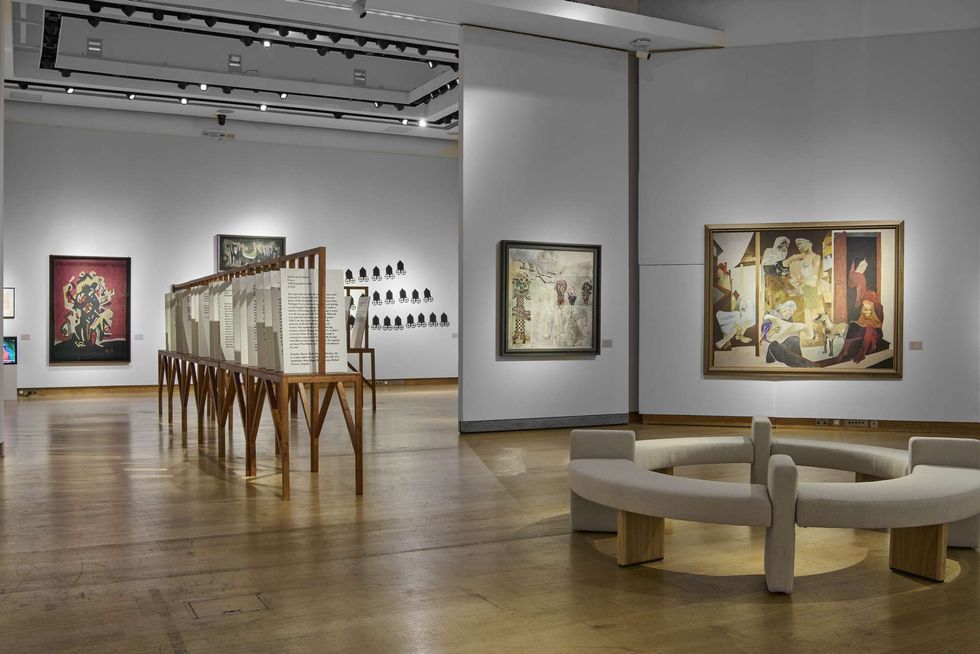 The Meeting Ground scenes from the KNMA CollectionChristie/KNMA
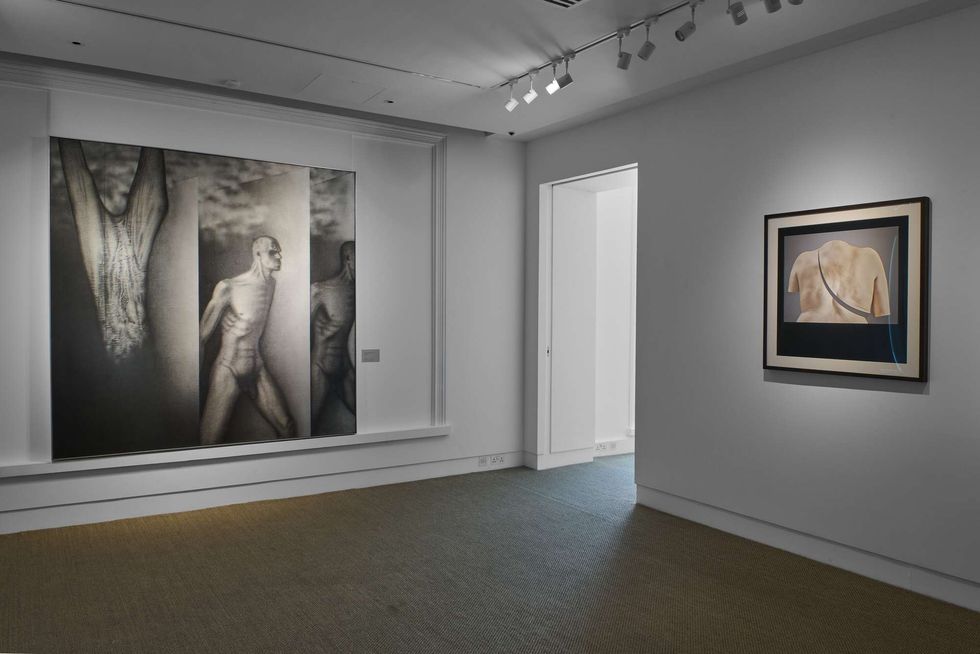 The Meeting Ground scenes from the KNMA CollectionChristie/KNMA
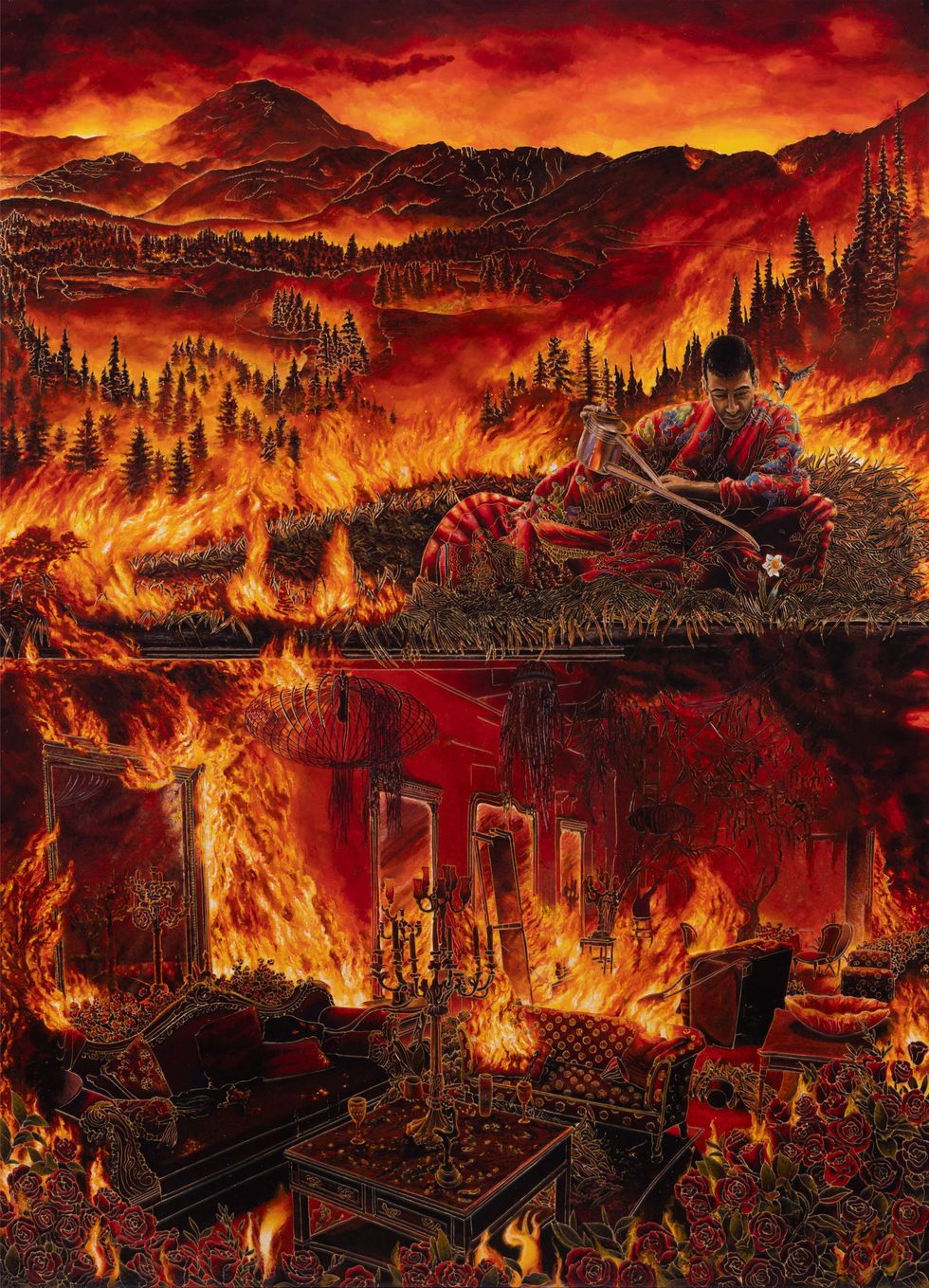 When the Thing with Feathers Turned Red by Raquib ShawKNMA
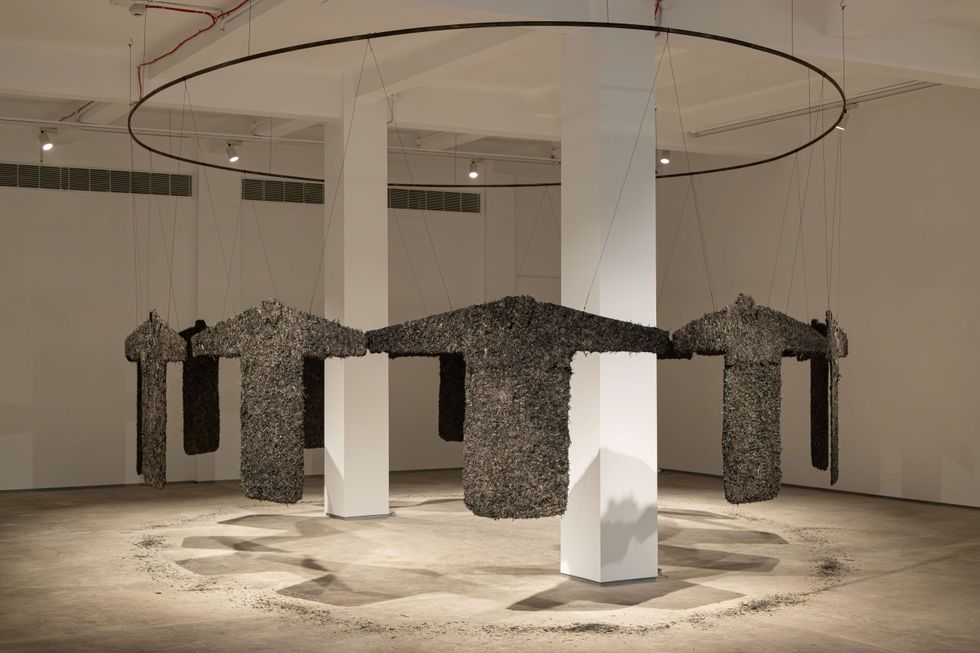 Indelible Black Marks by Kulpreet SinghKNMA
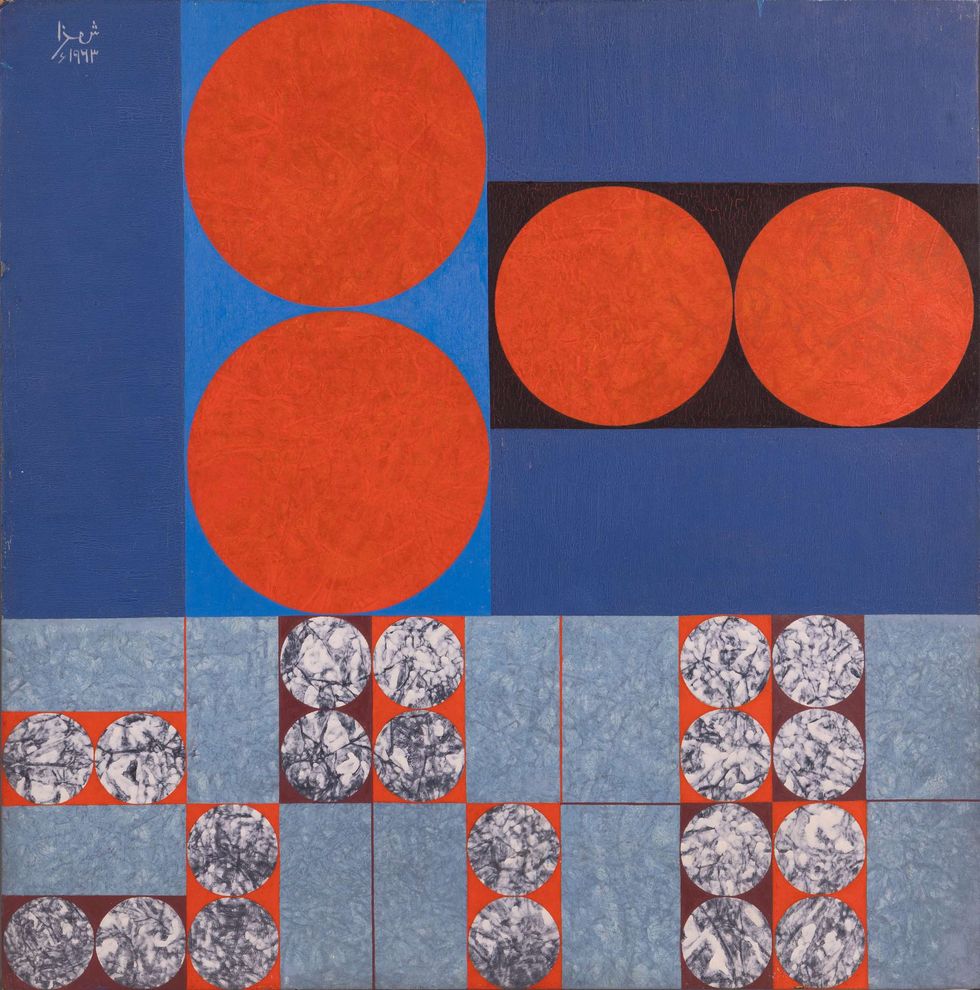 Square Composition II by Anwar Jalal ShemzaKNMA
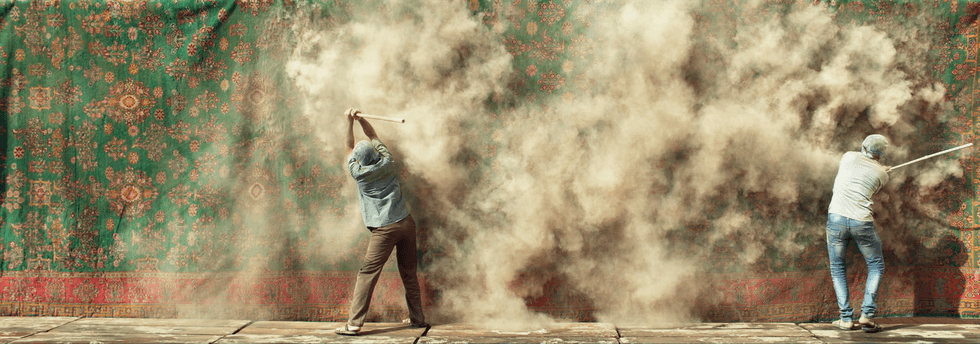 Interference by LN TallurJunagadh Museum, Gujarat, Varia Kiran(Videography), Vandita Jain (Sound Engineer) andBhanu Pratap Singh.
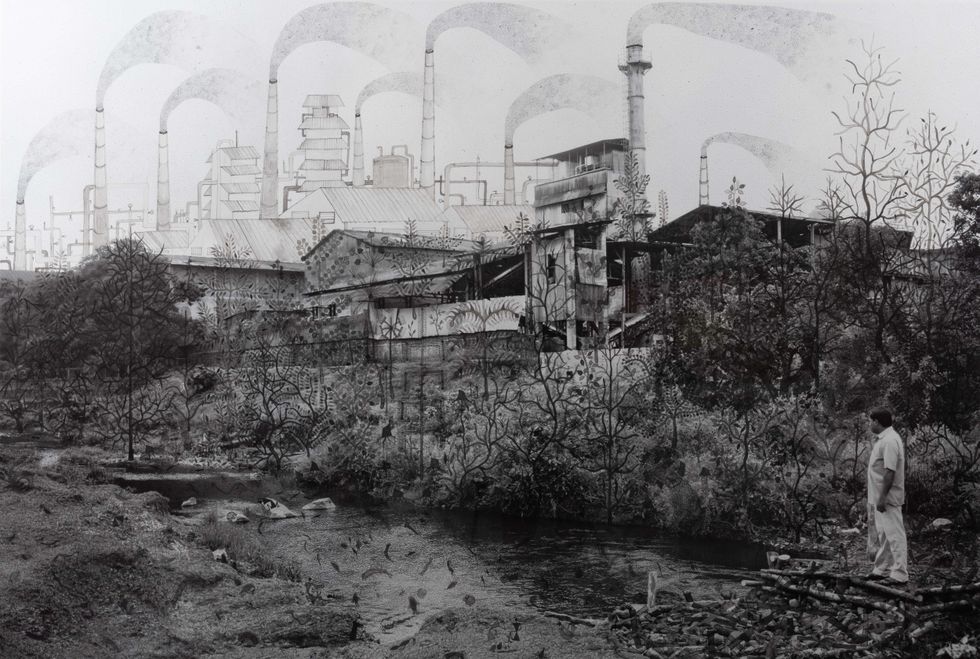 Factory and River II by Gauri Gill and Rajesh VangadKNMA
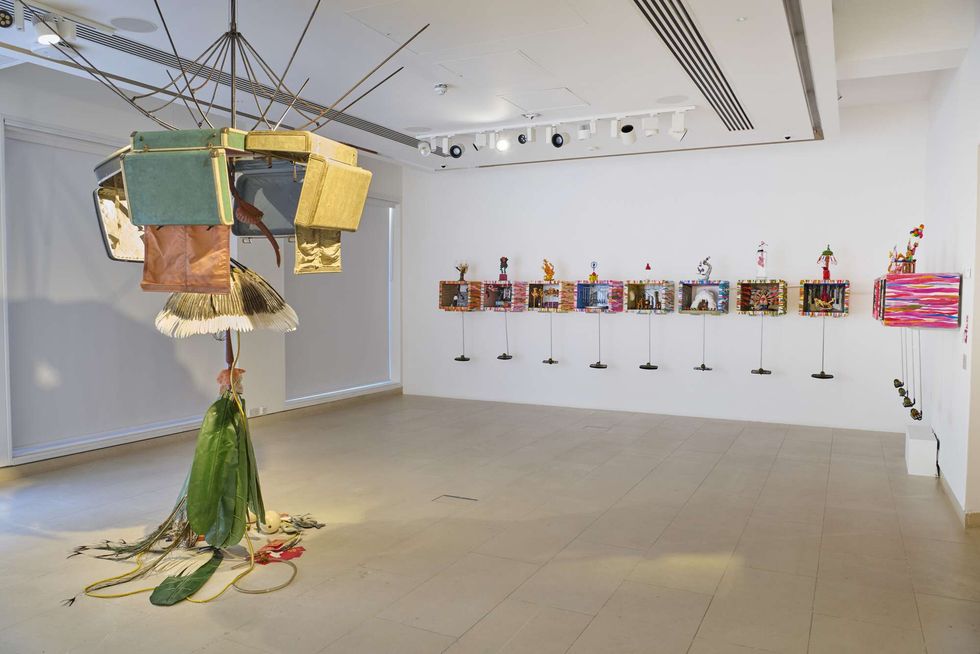 The Meeting Ground Scenes from the KNMA CollectionChristie/KNMA